
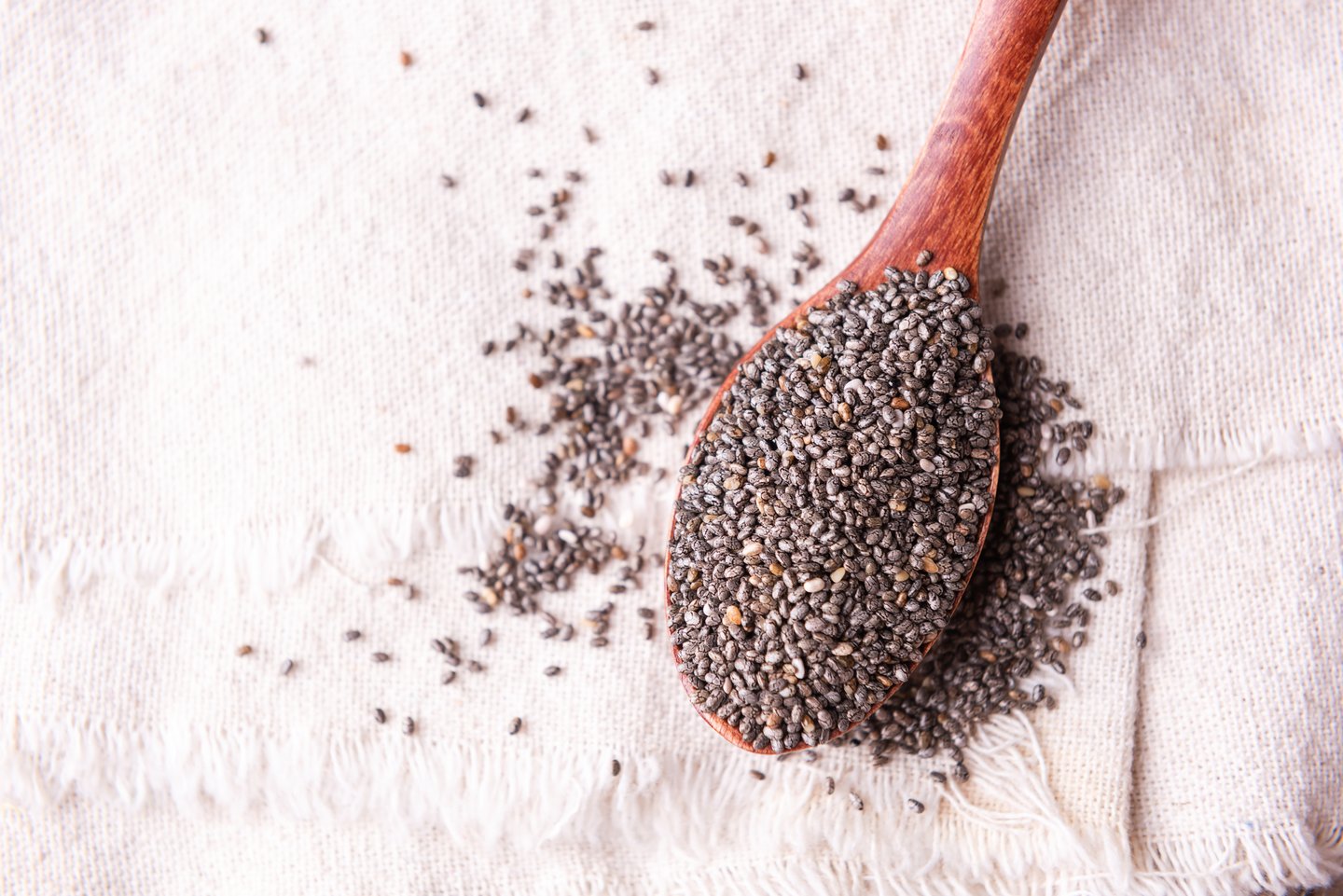
Chia seeds have become one of the most popular health foods online, and new research is giving people another reason to take the tiny seeds seriously. Long used in smoothies, puddings, yogurt bowls, and breakfast recipes, chia seeds are packed with fiber, plant-based omega-3 fats, protein, minerals, and antioxidants. While they are not a magic cure for health problems, studies suggest they may support digestion, heart health, blood sugar balance, and fullness when added to a balanced diet.
Why Chia Seeds Are Getting So Much Attention
Chia seeds are getting attention because they deliver a surprising amount of nutrition in a very small serving. Just one or two spoonfuls can add fiber, healthy fats, and plant-based protein to a meal.
The seeds come from the Salvia hispanica plant and are usually black, gray, brown, or white. They have a mild flavor, which makes them easy to add to many foods without changing the taste too much.
Their biggest strength is fiber. Chia seeds absorb liquid and form a gel-like texture, which is why they are often used in puddings, overnight oats, and drinks.
That gel-forming ability is one reason people connect chia seeds with fullness and digestion. When mixed with liquid, they expand and may help people feel satisfied for longer.
Social media has helped turn chia seeds into a wellness trend, but unlike many food fads, chia seeds do have real nutritional value.
New Research Looks at Chia and Fullness
Recent research has explored how chia products may affect fullness, appetite, and the body’s response to high-fat, high-sugar diets. Scientists studied chia flour and chia oil and found signs that they may influence genes linked with satiety, inflammation, gut bacteria, and oxidative stress.
The findings suggest chia may help support signals connected to feeling full after eating. This is important because fullness plays a major role in appetite control and long-term weight management.
The study also suggested that chia products may affect the gut-brain connection. This means changes in gut bacteria may influence how the brain responds to hunger and satiety signals.
However, these findings should be understood carefully. Chia seeds are not a quick weight-loss solution, and one study does not mean they can cancel out an unhealthy diet.
The more realistic message is that chia seeds may be a helpful addition to a balanced eating pattern, especially when used to increase fiber and replace less nutritious snacks.
Chia Seeds Are High in Fiber
Fiber is one of the biggest reasons chia seeds are considered healthy. A small serving can provide a large amount of the fiber many people do not get enough of each day.
Fiber supports regular digestion and helps keep bowel movements more comfortable. It can also help slow digestion, which may support steadier energy after meals.
Because chia seeds absorb water, they can make meals feel more filling. This may help reduce the urge to snack shortly after eating.
Fiber is also linked with heart and metabolic health. Diets higher in fiber are often associated with healthier cholesterol levels, better blood sugar control, and improved gut health.
The key is to increase fiber gradually. Eating too many chia seeds suddenly, especially without enough water, may cause bloating, gas, or constipation in some people.
For most people, starting with one teaspoon or one tablespoon per day is easier than adding a large amount at once.
How Chia Seeds May Support Heart Health
Chia seeds may support heart health because they contain fiber, antioxidants, and plant-based omega-3 fatty acids. These nutrients can be part of a heart-friendly diet.
The omega-3 fat in chia seeds is called ALA, or alpha-linolenic acid. This is a plant-based omega-3 found in foods such as chia, flax, and walnuts.
Chia seeds also contain minerals such as magnesium, calcium, and potassium, which play roles in overall health.
Some research suggests chia seeds may help improve cholesterol patterns, including supporting healthier LDL and HDL balance. Other studies have looked at blood pressure and inflammation markers.
Still, chia seeds should not be treated as medicine. They cannot replace prescribed treatment for heart disease, high cholesterol, high blood pressure, or diabetes.
Their best role is as part of a healthy eating pattern that includes vegetables, fruits, whole grains, lean proteins, nuts, seeds, and regular movement.
Can Chia Seeds Help With Blood Sugar?
Chia seeds may help support steadier blood sugar because they are high in fiber and can slow how quickly carbohydrates are digested. This may reduce sharp spikes after meals for some people.
When chia seeds form a gel, they can slow the movement of food through the digestive system. That slower process may help the body handle glucose more gradually.
This is why chia seeds are often added to oatmeal, smoothies, yogurt, or whole-grain meals. They can make a carbohydrate-based meal more filling and balanced.
However, people with diabetes or blood sugar concerns should not rely on chia seeds alone. Blood sugar control depends on overall diet, activity, medication, sleep, stress, and medical care.
Chia seeds can be helpful, but they are only one small tool.
Anyone taking medication for blood sugar should speak with a healthcare provider before making major diet changes.
Chia Seeds and Gut Health
Chia seeds may support gut health because fiber feeds beneficial gut bacteria and helps maintain regular digestion. A healthier gut environment can influence digestion, immune function, and general well-being.
The gel-like texture of soaked chia seeds can also make them gentler for some people to digest.
Some people enjoy chia seed water, where chia seeds are mixed with water and allowed to swell before drinking. Others prefer chia pudding, oatmeal, smoothies, or yogurt.
Soaking is not required to “unlock” all nutrients, but it can make the seeds easier and more comfortable to eat.
Dry chia seeds can absorb liquid quickly, so eating large spoonfuls dry is not recommended. They may expand in the throat or stomach and cause discomfort if not taken with enough liquid.
A safer method is to mix them into wet foods or soak them before eating.
How to Eat Chia Seeds Safely
The safest way to eat chia seeds is to start small and drink enough water. One teaspoon to one tablespoon per day is a good starting amount for many people.
You can add them to yogurt, smoothies, oats, cereal, soups, salads, or homemade energy bites.
For chia pudding, mix the seeds with milk or a milk alternative and let them sit until thick. Many people add fruit, cinnamon, honey, or nuts for flavor.
Chia seeds can also be used as an egg substitute in some baking recipes. Mixing ground or whole chia with water creates a gel that helps bind ingredients.
People who have swallowing difficulties should be especially careful and avoid eating dry chia seeds by the spoonful.
Anyone with food allergies or digestive conditions should introduce chia slowly and stop if they notice discomfort or allergic symptoms.
Are There Any Side Effects?
Chia seeds are generally safe for most people, but they can cause digestive discomfort if eaten in large amounts too quickly. Bloating, gas, stomach pressure, or constipation may happen if fiber intake rises suddenly.
Drinking enough fluids can reduce this risk.
People taking blood-thinning medication, blood pressure medication, or diabetes medication should ask a doctor before using large amounts regularly. Chia may affect blood pressure or blood sugar in some people.
Allergic reactions are uncommon but possible. Anyone who notices swelling, itching, breathing difficulty, rash, or other unusual symptoms after eating chia should seek medical advice.
The main rule is moderation. More is not always better.
A small daily amount can be useful, but excessive intake may create discomfort.
Key Takeaways
- Chia seeds are rich in fiber, plant-based omega-3 fats, protein, minerals, and antioxidants.
- New research suggests chia products may support fullness, gut signals, and metabolic health markers.
- Chia seeds may help digestion, heart health, blood sugar balance, and appetite control when used as part of a balanced diet.
- They are not a magic weight-loss cure and should not replace medical treatment.
- Soaking chia seeds or adding them to wet foods can make them easier and safer to eat.
Chia seeds may be tiny, but their nutrition makes them a smart everyday addition for people who want more fiber, better meal balance, and a simple boost to a healthy diet.