
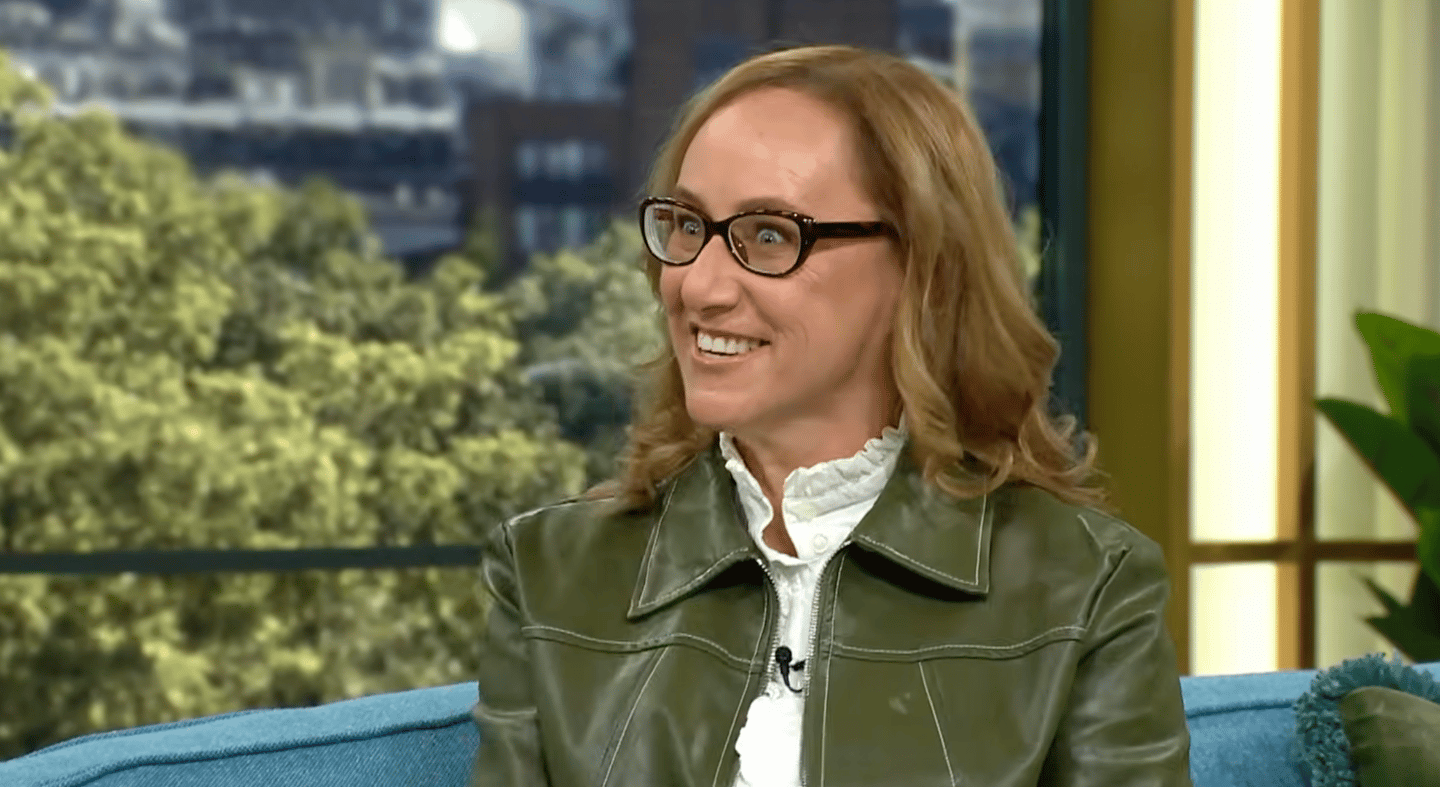
An intimacy surrogate has opened up about the most heartbreaking thing a client ever said to her, and the confession has sparked a wider conversation about loneliness, touch, confidence, and emotional healing. Kaly Miller, who has worked with hundreds of clients, explained that her role is not simply about physical closeness. For many people, it is about learning how to feel safe, accepted, and comfortable with another person after years of fear, shame, or rejection.
Kaly Miller Explains Her Unusual Career
Kaly Miller first entered the field after working as a sports massage therapist. She came across an opportunity for open-minded body therapists and gradually found herself moving into a very different type of support work.
She has described the career as something she never planned in a traditional way. Instead, she felt life took her on a journey toward helping people with confidence, connection, and body-related fears.
Her work is often misunderstood because many people assume it is only about physical experiences. Miller has explained that the reality is more layered and emotional.
Clients may come to her because they struggle with touch, fear closeness, feel rejected by past partners, or have never had a safe space to explore vulnerability.
Some may be disabled, socially anxious, recovering from trauma, or deeply inexperienced in romantic settings.
For Miller, the job is about helping people rebuild trust in themselves and learn that closeness can be gentle, respectful, and healing.
The Heartbreaking Line One Client Said
Miller said one of the most heartbreaking moments came from a client who had never been hugged with genuine care before. That confession stayed with her because it revealed how deeply lonely some people can feel.
For many people, a hug may seem ordinary. It may happen between friends, family members, or partners without much thought.
But for someone who has gone years without warm human contact, that simple gesture can feel life-changing.
The client’s words showed that the pain was not only about romance. It was about feeling unseen, untouched, and emotionally disconnected from others.
That is why the story resonated with so many readers. It reminded people that human connection is not a luxury. It is a basic emotional need.
Miller’s experience highlights how isolation can affect confidence, self-worth, and mental well-being over time.
What Does an Intimacy Surrogate Do?
An intimacy surrogate works with clients who struggle with closeness, confidence, touch, or romantic connection. The work is often done alongside therapy or personal support, depending on the client’s needs and location.
The goal is not simply to create a physical experience. It is to help the client understand boundaries, communication, trust, body comfort, and emotional safety.
Sessions may include conversation, eye contact practice, breathing exercises, touch-based comfort work, confidence building, and learning how to communicate needs clearly.
For some clients, the first step may be as simple as sitting close to another person without panic. For others, it may involve learning how to accept affection without shame.
This work can be especially meaningful for people who have faced rejection, bullying, disability-related barriers, trauma, or years of loneliness.
A good practitioner should work with clear consent, firm boundaries, emotional awareness, and respect for the client’s pace.
Why People Seek This Kind of Support
People seek this kind of support for many reasons. Some have never had a romantic relationship and feel embarrassed about their lack of experience.
Others may have physical disabilities or health conditions that make dating harder. Some may struggle with anxiety, body image, fear of rejection, or past emotional harm.
A person may also feel stuck after years of isolation. The longer someone avoids closeness, the harder it can feel to start.
For some clients, the main issue is not desire. It is fear. They may want connection but not know how to approach it safely.
This is where guided support can help. A calm, respectful environment may allow someone to practice trust without feeling judged.
Miller’s story shows that many clients are not looking for something extreme. They are often looking for acceptance, patience, and basic human warmth.
Why Touch Can Be Emotionally Powerful
Touch can be emotionally powerful because it is one of the earliest ways humans experience comfort and safety. A kind hug, hand-hold, or gentle touch can communicate care when words are not enough.
When someone goes without caring touch for a long time, it can affect mood, confidence, and the way they see themselves.
Some people begin to believe they are unwanted or unworthy of affection. Others become nervous around closeness because they have had little positive experience with it.
This can create a cycle. The more someone fears rejection, the more they may avoid connection. The more they avoid connection, the lonelier they become.
Miller’s client confession captured that cycle in one painful sentence.
It also showed why this type of work can become emotional for both client and practitioner.
Why the Topic Is So Misunderstood
The topic is misunderstood because many people focus only on the most sensational part of the job. They may ignore the emotional, therapeutic, and confidence-building side.
In reality, many clients are dealing with deep personal struggles. They may not know how to date, how to receive affection, or how to feel comfortable in their own body.
There is also stigma. People may judge clients for seeking help, even though loneliness and fear of closeness are real problems.
Miller has explained that her work is about meeting people where they are. Some clients may need reassurance, while others need practical guidance.
The public often talks about romance as if everyone naturally knows what to do. But many people do not.
Some need patient support before they can form healthy connections in everyday life.
The Emotional Side of the Work
Miller has said the work can be deeply emotional because clients often reveal painful memories, fears, and insecurities. Many have carried shame for years before finally asking for help.
A session may involve tears, relief, laughter, nervousness, or breakthrough moments.
For a client who has always felt rejected, being treated with kindness can feel overwhelming. It may be the first time they experience acceptance without pressure or ridicule.
That is why Miller’s most memorable moments are not always dramatic. Sometimes the smallest emotional shift matters most.
A client learning to accept a hug, hold eye contact, or say what they need can be a major step forward.
The work shows that healing is not always loud. Sometimes it begins with feeling safe in another person’s presence.
Why This Story Went Viral
This story went viral because it touches a fear many people rarely admit: the fear of being alone, unwanted, or inexperienced.
The client’s confession was heartbreaking because it revealed how much pain can hide behind silence. Someone may appear normal on the outside while carrying years of emotional isolation.
Readers responded because the story is not only about one unusual career. It is about the human need to be seen, accepted, and treated gently.
It also challenges judgment. Many people may first react with curiosity or criticism, but the deeper story invites compassion.
Miller’s account reminds people that loneliness can be serious, and that emotional connection matters more than society often admits.
Key Takeaways
- Kaly Miller works as an intimacy surrogate, helping clients with confidence, touch, boundaries, and emotional connection.
- She said one of the most heartbreaking client confessions involved someone who had never received a caring hug before.
- Many clients seek help because of loneliness, anxiety, disability, trauma, body-image struggles, or lack of romantic experience.
- The work is often misunderstood because people focus only on the physical side and ignore the emotional support involved.
- The story highlights how powerful kindness, safe touch, and human connection can be for people who feel isolated.
Kaly Miller’s story is a reminder that loneliness can be deeply painful, and sometimes the smallest act of warmth can mean more to someone than most people realize.