
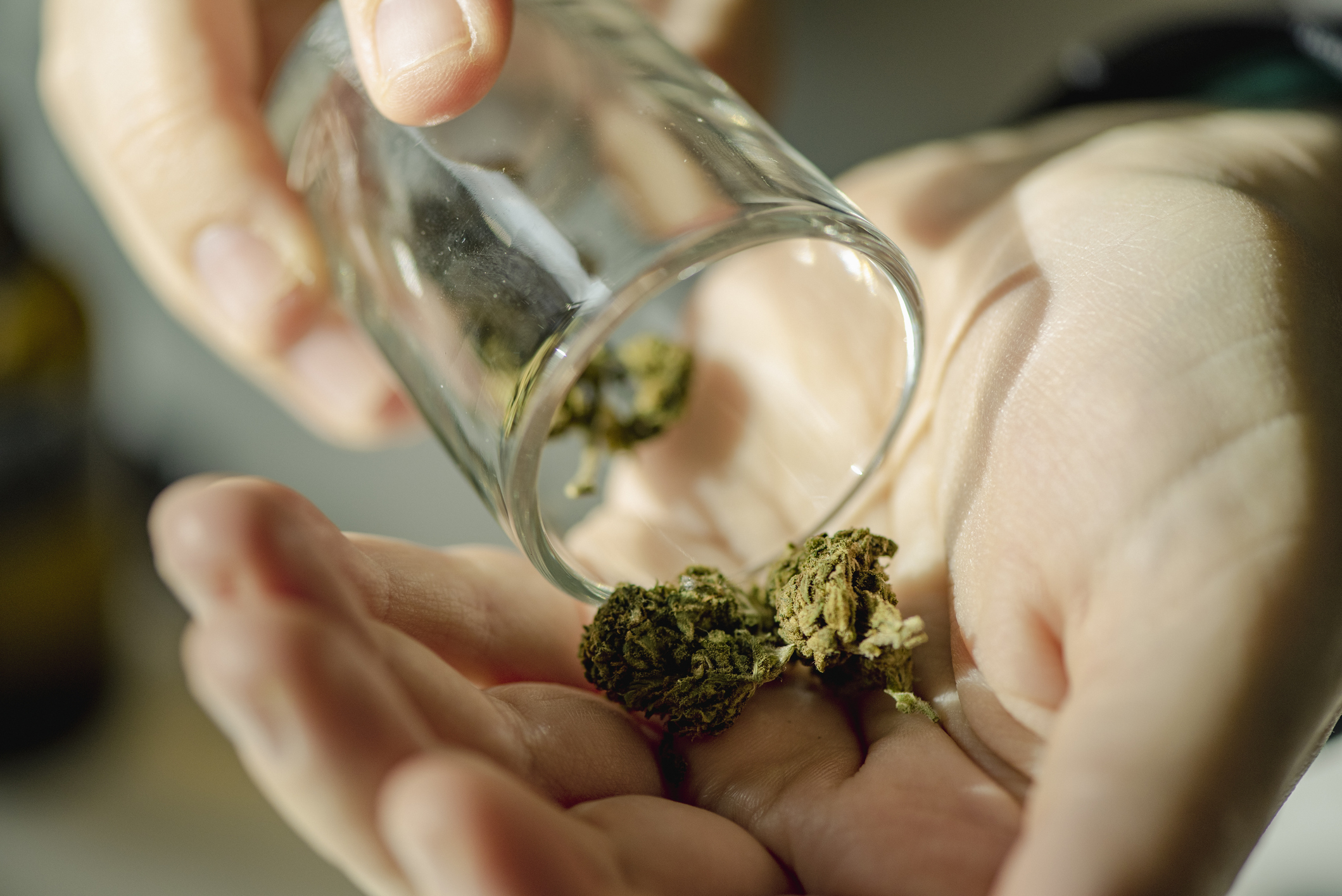
Cannabis scromiting is gaining new attention after Donald Trump’s administration moved state-licensed medical marijuana from Schedule I to Schedule III under federal drug rules. The policy shift does not make cannabis fully legal nationwide, but it has renewed public discussion about both medical access and lesser-known health risks linked to frequent cannabis use. One of the most alarming is cannabis hyperemesis syndrome, or CHS, a condition that can cause severe nausea, stomach pain, repeated vomiting, and the painful “scromiting” episodes some users describe.
Cannabis Reclassification Brings Health Risks Back Into Focus
The cannabis reclassification has been described as a historic federal shift, but it is limited in scope. Acting Attorney General Todd Blanche signed an order moving FDA-approved marijuana products and state-licensed medical marijuana products into Schedule III, while broader marijuana rescheduling is still subject to DEA hearings beginning June 29, 2026.
Schedule I substances are treated as having no accepted medical use and a high potential for misuse. Schedule III substances are considered to have accepted medical uses and a lower to moderate risk of dependence compared with Schedule I drugs.
The change may make research easier and reduce some barriers for state medical cannabis programs. However, it does not mean recreational marijuana is federally legalized, and it does not remove every federal restriction around cannabis.
That distinction matters because public reaction to cannabis policy changes can sometimes create confusion. Some people may hear “less dangerous” and assume cannabis has no serious health risks, but doctors continue to warn that heavy or long-term use can cause real problems for some users.
One condition now being discussed more widely is cannabis hyperemesis syndrome. It is not experienced by every cannabis user, but for those who develop it, the symptoms can be severe enough to lead to emergency care.
What Is Cannabis Scromiting?
Cannabis scromiting is an informal term used to describe intense episodes where a person may scream or cry while vomiting. The term is commonly linked to cannabis hyperemesis syndrome, a condition associated with long-term cannabis use.
The word combines “screaming” and “vomiting,” which reflects how painful and distressing the episodes can feel. People with CHS may experience repeated vomiting, nausea, abdominal pain, dry heaving, dehydration, and difficulty eating.
Cleveland Clinic explains that CHS can affect people who use cannabis long-term and that hot showers or baths may temporarily relieve symptoms. However, the only known cure is stopping cannabis use.
This condition can be confusing because cannabis is often associated with reducing nausea for some medical patients. CHS appears to work in the opposite direction for certain frequent users, causing waves of severe sickness instead of relief.
Some patients may not immediately connect their symptoms to cannabis, especially if they have used it for years without earlier problems. That delay can lead to repeated doctor visits, emergency department trips, and uncertainty before the condition is identified.
Why Are Doctors Concerned About CHS Cases?
Doctors are concerned about CHS because emergency department visits linked to the condition have increased sharply. A study covering U.S. emergency departments from 2016 to 2022 found that CHS-related visits rose more than fourfold during that period.
That increase has made the condition harder to ignore as cannabis products become more available and more potent in many places. While not every regular user will develop CHS, the rise in reported cases suggests more people are experiencing severe symptoms.
The condition can also be difficult to diagnose because its symptoms resemble stomach flu, food poisoning, cyclic vomiting syndrome, or other gastrointestinal problems. If a patient does not mention cannabis use, doctors may not immediately consider CHS.
In 2025, CHS received a new ICD-10-CM diagnosis code, R11.16, which went into effect on October 1, 2025. The University of Washington’s Addictions, Drug & Alcohol Institute said the new code can help clinicians track cases more accurately in health records and claims data.
Better tracking matters because it gives public health experts a clearer picture of how often the condition is happening. It may also help researchers understand whether changing cannabis laws, product strength, or use patterns are connected to the rise in cases.
Why Does Hot Water Help Some Cannabis Users?
Hot water may temporarily help some people with CHS by easing nausea and abdominal discomfort, although it does not cure the condition. Cleveland Clinic and other health sources note that many people with CHS report relief from hot showers or baths.
This detail has become one of the biggest clues doctors look for when CHS is suspected. Some patients describe taking repeated hot showers because the relief is the only thing that helps during a severe episode.
That relief can be misleading, though. A hot shower may reduce symptoms for a short time, but it does not fix the underlying trigger if cannabis use continues.
People with CHS may go through repeated cycles. They feel sick, use cannabis again because they believe it helps nausea, then experience worsening vomiting and stomach pain later.
This cycle can become exhausting and dangerous. Repeated vomiting can lead to dehydration, electrolyte problems, weakness, and hospital treatment if symptoms become severe.
Symptoms That Should Not Be Ignored
Repeated vomiting, severe stomach pain, dry heaving, and needing hot showers for relief are warning signs that need medical attention. These symptoms may point to CHS, but they can also signal other serious health problems.
Anyone experiencing intense or repeated vomiting should not assume it is harmless. Medical care is especially important if there is dehydration, fainting, confusion, chest pain, blood in vomit, or symptoms that keep returning.
What Cannabis Users Should Know After Reclassification
Cannabis users should know that reclassification does not remove the need for caution. The recent federal move recognizes medical uses for certain approved and state-licensed medical marijuana products, but it does not mean cannabis is risk-free.
The discussion around CHS is especially important for people who use cannabis frequently or have used it for a long time. Many cases appear in people who have regular, repeated exposure rather than occasional use.
The risk may also be harder to recognize because cannabis products today can vary widely in potency. Edibles, concentrates, vapes, and high-THC products may affect users differently, and researchers are still studying how product strength may influence CHS.
For people who rely on cannabis medically, symptoms should be discussed with a healthcare professional instead of ignored. Doctors can help evaluate whether vomiting and abdominal pain may be related to cannabis use or another condition.
The safest approach is to take symptoms seriously and be honest about cannabis use when seeking care. That information can help doctors reach the right diagnosis faster.
Why the Scromiting Warning Is Spreading Online
The scromiting warning is spreading because it combines a major political change with a health condition many people still do not understand. Cannabis policy is changing quickly, but medical experts are also learning more about side effects that may affect frequent users.
The warning does not mean every person who uses cannabis will experience CHS. It means that severe vomiting, stomach pain, and relief from hot showers should not be dismissed, especially in people who use cannabis regularly.
Trump’s reclassification move has created fresh debate about cannabis access, research, business rules, and public health. Supporters see Schedule III status as a long-awaited step toward recognizing medical use, while critics worry that the change may downplay risks.
Both ideas can be true at the same time. Cannabis may have medical uses for some patients, but it can still cause serious side effects for others.
That is why CHS deserves attention now. As cannabis becomes more visible in medicine, politics, and everyday conversation, users need clear information about the warning signs that could point to a serious reaction.
Key Takeaways
- Cannabis scromiting refers to severe vomiting episodes linked to cannabis hyperemesis syndrome.
- Trump’s administration moved certain medical marijuana products from Schedule I to Schedule III, but cannabis is not fully federally legalized.
- CHS can cause nausea, abdominal pain, dry heaving, repeated vomiting, and temporary relief from hot showers.
- U.S. emergency department visits linked to CHS rose more than fourfold between 2016 and 2022.
- The only known cure for CHS is stopping cannabis use, according to Cleveland Clinic.
As cannabis laws continue to change, the scromiting warning shows why public health information needs to move just as quickly as policy debates.