
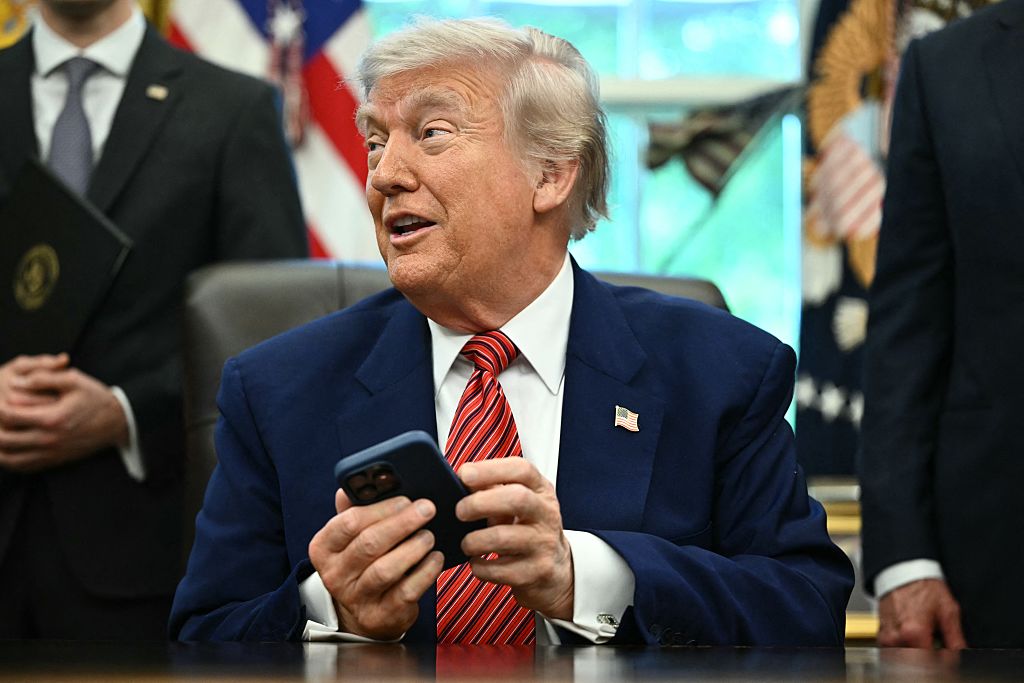
Donald Trump’s repeated phrase “Thank you for your attention to this matter” has become one of the most recognizable parts of his online communication style. The line appears at the end of many of his Truth Social posts, and psychology experts say it may do more than simply sound polite. According to analysis from therapists and communication experts, the phrase can signal control, authority, finality, and a demand for attention.
Trump’s Repeated Phrase Has Become a Political Signature
Trump’s repeated phrase has become a signature sign-off because he uses it across different types of social media posts. The words “Thank you for your attention to this matter” sound like a formal email or official memo, but their repeated use has turned the line into a recognizable part of his public style.
The phrase has appeared on posts about political decisions, personal criticism, policy matters, public figures, and major announcements. It has also been noticed because Trump’s online posts often use strong language, capital letters, and dramatic framing.
According to reports, The Washington Post found that by December 2025, Trump had used the phrase at least 190 times since his re-election. By early 2026, that number was believed to have passed 200 uses.
That level of repetition matters because political language is rarely accidental. Public figures often use short, memorable phrases to reinforce identity, create familiarity, and guide how supporters interpret a message.
In Trump’s case, the sign-off does not simply close a post. It gives the statement a stronger ending, almost as if the discussion has been finished and the reader is expected to accept the message as final.
What Does the Phrase Mean Psychologically?
Psychologically, the phrase can be read as a way to assert control and authority. Psychotherapist Shenikka Moore-Clarke said the repeated use of “Thank you for your attention to this matter” may carry more meaning than ordinary politeness because it has undertones of power and control.
The wording sounds formal, but it also creates a specific tone. It suggests that the speaker has already made a decision, issued a message, and expects the audience to pay attention.
Moore-Clarke explained that language can become a tool for managing image and power. In this case, the phrase may help position Trump as the person setting the terms of the conversation.
That is why some experts see it as more than a repeated habit. The line helps create the feeling of an order, a conclusion, or an official instruction.
It also fits Trump’s broader communication style. He often uses direct, forceful, and memorable language that is easy to repeat. The sign-off gives his posts a consistent ending that supporters can recognize and critics can instantly identify.
Why Does Repetition Make Political Messaging Stronger?
Repetition makes political messaging stronger because familiar phrases become easier to remember and easier to associate with a public figure. In psychology and communication, repeated words can shape perception because people begin to recognize a phrase before they fully analyze it.
This does not mean every repeated phrase is automatically persuasive. However, repetition can make a message feel more familiar, more important, and more connected to a person’s brand.
Trump has used repetition throughout his political career. His rallies, slogans, nicknames, and social media posts often rely on short phrases that are repeated until they become part of public conversation.
The phrase “Thank you for your attention to this matter” works in a slightly different way from a campaign slogan. It is not shouted at a rally, but it creates the same kind of recognition online.
Every time the phrase appears, it reminds readers of Trump’s style: formal but combative, polite on the surface but forceful in tone.
Experts also point out that the phrase separates certain posts from the rest of his feed. When readers see that sign-off, they may assume the post is meant to carry extra weight or official importance.
White House Says the Phrase Is Final and Forceful
The White House has described the phrase as intentional and forceful. White House Communications Director Steven Cheung told The Washington Post that Trump writes his own posts and uses the phrase because it is “final and forceful.”
Cheung also said Trump communicates directly and decisively, with no ambiguity. That explanation supports the idea that the phrase is not just a random habit but part of a deliberate communication style.
The phrase has also moved beyond social media. Reports noted that Trump’s merchandise store has sold red caps featuring the words “Thank you for your attention to this matter,” showing how the line has become part of his political branding.
That shift from post ending to merchandise slogan is important. It means the phrase is no longer only a writing style. It has become a recognizable political product.
Supporters may see it as confident, direct, and official. Critics may see it as passive-aggressive, controlling, or overly dramatic.
Either way, the phrase has achieved what political communication often aims for: people notice it, repeat it, debate it, and connect it directly to the person using it.
How Critics and Supporters Are Reacting Online
Online reaction to Trump’s repeated phrase has been sharply divided. Some supporters view the phrase as a strong closing line that makes his posts sound decisive and official.
Critics, however, argue that it sounds controlling or passive-aggressive. Some social media users have mocked the sign-off, while others have suggested it feels like a command disguised as politeness.
California Governor Gavin Newsom has reportedly used the phrase to mock Trump online, showing how quickly political opponents can turn a catchphrase into a joke or criticism.
The mixed reaction is part of why the phrase keeps spreading. When supporters embrace a line and critics mock it, both groups help keep it visible.
This is a familiar pattern in modern politics. A phrase can become powerful not only because one side likes it, but because the other side cannot stop reacting to it.
That kind of attention is valuable in social media politics. Even criticism can increase reach, especially when a phrase is short enough to fit into posts, memes, headlines, and merchandise.
Why This Catchphrase Matters in Trump’s Public Image
This catchphrase matters because it reflects how Trump uses language to build authority and stay at the center of attention. The words are simple, but the repeated use gives them political weight.
The phrase also matches Trump’s long-standing communication style. He often frames issues in dramatic terms, presents himself as decisive, and uses language that makes complicated matters feel simple and urgent.
For supporters, that style can feel refreshing and direct. For critics, it can feel theatrical or domineering.
The psychology explanation does not prove exactly what Trump intends every time he uses the phrase. However, experts argue that repeated language can still reveal patterns in how a public figure wants to be seen.
In this case, “Thank you for your attention to this matter” presents Trump as someone issuing the final word. It sounds official, demands attention, and leaves little room for uncertainty.
That is why a simple closing line has become a political talking point. It is not only about the phrase itself, but about what it says about power, branding, and communication in the social media era.
Key Takeaways
- Donald Trump has repeatedly used the phrase “Thank you for your attention to this matter” at the end of Truth Social posts.
- Reports say he had used the phrase at least 190 times by December 2025.
- Psychotherapist Shenikka Moore-Clarke said the phrase may carry undertones of control and authority.
- The White House said Trump uses the phrase because it is “final and forceful.”
- The line has become part of Trump’s political branding, online debate, and even merchandise.
Trump’s repeated phrase shows how a few simple words can become a powerful part of political identity when they are used again and again.