
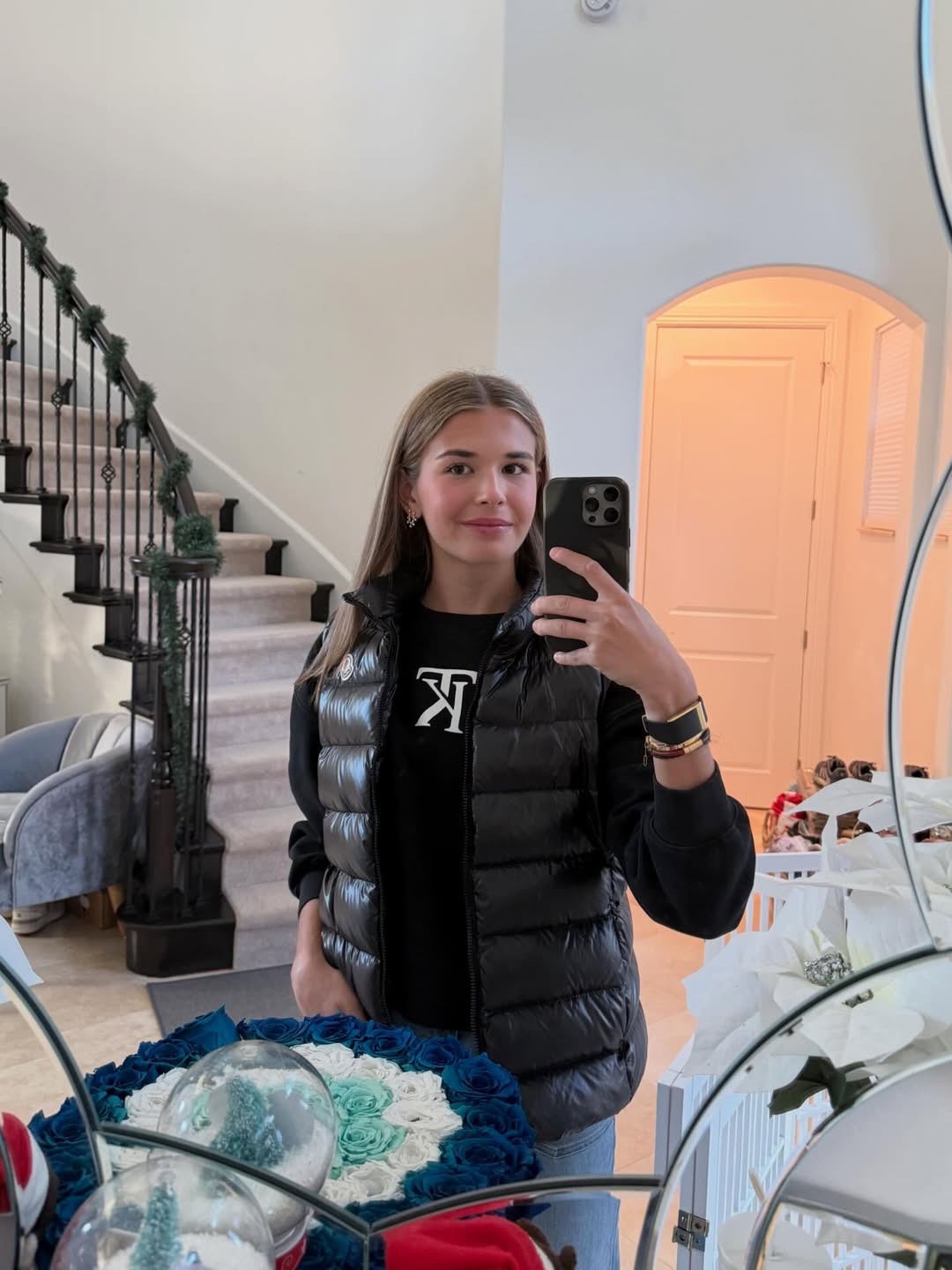
Kai Trump is facing online backlash after describing her dream job as a mix of golf, social media, entertainment, business, and travel. The 18-year-old granddaughter of President Donald Trump shared the comment during a social media Q&A, but instead of landing as a simple career answer, it sparked a wider debate about privilege, influencer culture, and what young people consider “work” in 2026.
Kai Trump’s Dream Job Answer Goes Viral
Kai Trump’s dream job answer went viral because she said her ideal future is close to the life she is already living. During an “Ask Me Anything” style session, she reportedly said her dream job was “literally” what she is doing now, including playing golf, doing social media, entertaining, creating businesses, and continuing to travel.
The comment quickly spread across entertainment and news pages because Kai is not just another young influencer. She is the eldest daughter of Donald Trump Jr. and Vanessa Trump, and the granddaughter of President Donald Trump, which means her public comments often attract extra attention.
For her supporters, the answer may have sounded like a young person describing a modern career path. Golf, content creation, brand-building, and entrepreneurship are all real industries, especially for someone with a large online following.
For critics, however, the comment sounded disconnected from the reality many young adults face. Many people entering adulthood are dealing with rising living costs, student debt, competitive job markets, and pressure to find stable income.
That contrast is why the backlash grew so quickly. What might have been a casual answer from another teenager became a viral conversation about wealth, family name, and the influence economy.
Why Are People Calling Kai Trump Out of Touch?
People are calling Kai Trump out of touch because her dream job description sounded effortless compared with the financial pressure many young people experience. Critics argued that traveling, golfing, making videos, and building businesses are easier goals when someone already has fame, family connections, and access to opportunities.
Some online reactions mocked the idea that her dream job was basically continuing her current lifestyle. Others said the comment showed a lack of understanding of what most people mean when they talk about work, career pressure, or paying bills.
The criticism became sharper because Kai had already faced backlash over a luxury shopping video. In that vlog, she visited Erewhon, a high-end grocery store, with Secret Service protection and joked about how expensive the store was.
That earlier video made some viewers more sensitive to her dream job comment. To them, both moments appeared to show someone joking about expensive experiences while many households are struggling with basic costs.
Still, the reaction was not one-sided. Some fans defended Kai, arguing that she is young, ambitious, and simply describing the kind of career many influencers now chase. Others pointed out that sports, social media, and entrepreneurship can require discipline, planning, and consistency.
The debate became less about one sentence and more about a bigger cultural question: when a person is born into wealth and fame, how differently do people judge their ambitions?
Kai Trump’s Growing Public Profile
Kai Trump has built a public identity around golf, lifestyle content, and social media. She has millions of followers across platforms and is known for posting about tournaments, family moments, travel, and behind-the-scenes parts of her life.
She is also a promising golfer and has committed to play at the University of Miami, where reports say she plans to study marketing and management. That detail matters because it shows her public image is not only about family fame but also about sports and personal branding.
Golf has become a central part of Kai’s identity online. Her content often blends athletic ambition with the influencer-style presentation that has become common among young public figures.
This mix makes her career path different from traditional celebrity children of the past. Instead of waiting for television interviews or magazine profiles, she can communicate directly with followers through short videos, vlogs, and Q&A posts.
That direct access also comes with risk. Casual comments can be clipped, reposted, and judged by people far outside her usual audience.
For someone connected to one of the most famous political families in America, the level of attention is even more intense. A normal influencer post can quickly become a national talking point when the person posting it has the Trump name.
The Erewhon Video Added to the Criticism
The Erewhon video added to the criticism because it had already placed Kai Trump at the center of a “tone deaf” debate. In the video, she visited the luxury grocery store with Secret Service and joked about the high prices while buying expensive items.
Reports said the video was originally titled around bringing Secret Service to Erewhon before later being reframed as a visit to one of the world’s most expensive grocery stores. Viewers criticized the optics of the trip, especially because Erewhon is often associated with celebrity culture, luxury wellness products, and high prices.
Some people focused on the shopping itself. Others focused on the presence of taxpayer-funded protection during a casual content video.
The backlash showed how easily influencer content can be interpreted differently depending on the person involved. A shopping vlog from an ordinary creator may be seen as entertainment, while the same concept from a president’s granddaughter can be viewed as a display of privilege.
That earlier controversy helped shape how people responded to her dream job answer. When she later described her ideal future as golf, social media, business, and travel, critics connected it to the same image of luxury and access.
In today’s social media environment, public figures rarely face backlash in isolation. One viral moment often reactivates another, creating a longer narrative about personality, values, and public image.
Is Influencer Work a Real Career?
Influencer work can be a real career, but the debate around Kai Trump shows why people still disagree over how to define it. Social media creators can earn money through ads, sponsorships, brand deals, merchandise, appearances, and business partnerships.
For successful creators, content creation involves planning, filming, editing, audience growth, analytics, and brand management. It can become a demanding business, especially when a person is trying to turn attention into long-term income.
However, critics argue that influencer success is not equally accessible. A famous last name, family wealth, professional networks, and early visibility can give someone a major advantage before they even begin.
Kai’s situation sits right at the center of that argument. Her followers may enjoy her golf and lifestyle content, but many people also believe her platform is boosted by her family background.
That does not mean she does no work. It does mean the public may judge her comments through the lens of privilege, especially when she describes a lifestyle many people could never realistically access.
The broader debate is not only about Kai Trump. It reflects how young people now see fame, entrepreneurship, and online visibility as career goals, while older or more traditional audiences may still expect a different definition of work.
Why the Backlash Became Bigger Than One Comment
The backlash became bigger than one comment because Kai Trump represents several hot-button topics at once: politics, wealth, social media fame, and generational differences. Her dream job answer touched all of those areas at the same time.
For some critics, the issue was privilege. They felt her answer ignored how difficult career-building is for young people without money, connections, or public attention.
For others, the issue was politics. Because Kai is part of the Trump family, even non-political lifestyle comments can quickly become political conversation online.
There is also a generational divide. Many teenagers and young adults now see content creation, travel, brand-building, and flexible work as dream careers. Older audiences may see the same goals as unrealistic or unserious.
The truth may be somewhere in the middle. Kai’s goals are not unusual in the influencer era, but her background makes the answer sound very different from how it might sound coming from someone starting with no platform.
That is why the story continues to spread. It is not only about whether one teenager’s answer was awkward. It is about how the internet judges privilege, ambition, and modern celebrity.
Key Takeaways
- Kai Trump faced backlash after saying her dream job includes golf, social media, entertainment, business, and travel.
- Critics called the comment out of touch because of her family background and access to rare opportunities.
- The backlash followed an earlier controversy over her Erewhon shopping vlog with Secret Service protection.
- Supporters argue that golf, content creation, and entrepreneurship can still require real work and discipline.
- The story reflects a wider debate about privilege, influencer careers, and how young public figures are judged online.
Kai Trump’s dream job comment shows how one casual answer can turn into a much larger conversation about fame, work, and privilege in the social media age.