
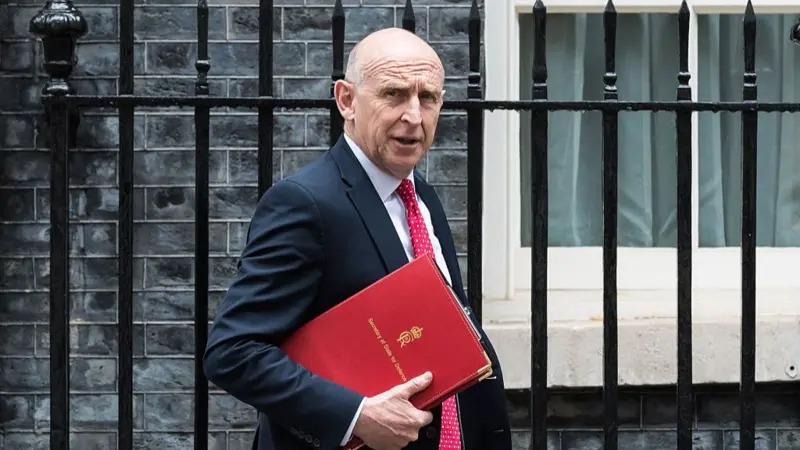
UK Defence Secretary John Healey has resigned following a prolonged disagreement within the government over future defence funding plans.
The resignation marks the most significant development in a debate that has been ongoing for months regarding military investment and national security spending.
Long-Running Funding Dispute
The disagreement centers on how much additional funding should be allocated to defence and where the money should come from within government budgets.
Last year, the government published its Strategic Defence Review, outlining plans aimed at ensuring the UK’s armed forces remain prepared for future security challenges.
A separate Defence Investment Plan was expected to follow, detailing how equipment, technology, and military capabilities would be funded. However, that document has yet to be released.
Delays Continue
Officials have spent months debating how to balance defence priorities with other government spending commitments.
Reports suggest discussions involved senior figures from:
- The Ministry of Defence
- The Treasury
- Number 10 Downing Street
The negotiations reportedly became increasingly difficult as pressure mounted over budget decisions.
Healey Rejects Latest Proposal
According to reports, the government presented Healey with a revised funding proposal earlier this week.
Offer Deemed Insufficient
Sources indicate Healey believed the proposed funding levels were not enough to meet the goals outlined in the Strategic Defence Review.
As a result, he chose to step down rather than support the plan.
His departure highlights growing tensions over how the UK should fund future defence commitments.
Political Reaction
Opposition Leader Kemi Badenoch said she was not surprised by Healey’s resignation and described it as an honorable decision.
Concerns Over Defence Funding
Badenoch argued that current spending plans fall short of what is needed to meet national security objectives.
She claimed the government is not committing enough resources to defence and warned that delays could affect military readiness.
Debate Over Spending Priorities
The dispute has fueled a broader political discussion about balancing defence investment with other public spending priorities.
Calls for Higher Defence Spending
Some politicians and defence experts have argued that increased military funding is necessary due to growing global security concerns.
Others have questioned where additional funds should come from and whether spending reductions in other areas would be required.
Strategic Defence Review Remains Central
The Strategic Defence Review remains at the center of the debate.
Future Plans Unclear
The review outlined ambitions to strengthen military capabilities, modernize equipment, and improve readiness.
However, questions remain about how those goals will be financed and when the delayed Defence Investment Plan will be published.
Impact on Government
Healey’s resignation creates additional pressure on the government as it attempts to finalize long-term defence priorities.
Key Questions Ahead
Observers will be watching closely for:
- Appointment of a new Defence Secretary.
- Publication of the Defence Investment Plan.
- Future defence budget commitments.
- Government spending decisions.
- Military modernization timelines.
Key Takeaways
- John Healey has resigned as UK Defence Secretary.
- The resignation follows months of disagreement over defence funding.
- A planned Defence Investment Plan remains unpublished.
- Budget negotiations involved multiple government departments.
- Political leaders continue debating future defence spending levels.
- Questions remain about how military modernization plans will be financed.
The resignation underscores the growing importance of defence funding debates as governments face increasing pressure to balance national security priorities with broader economic and spending challenges.