
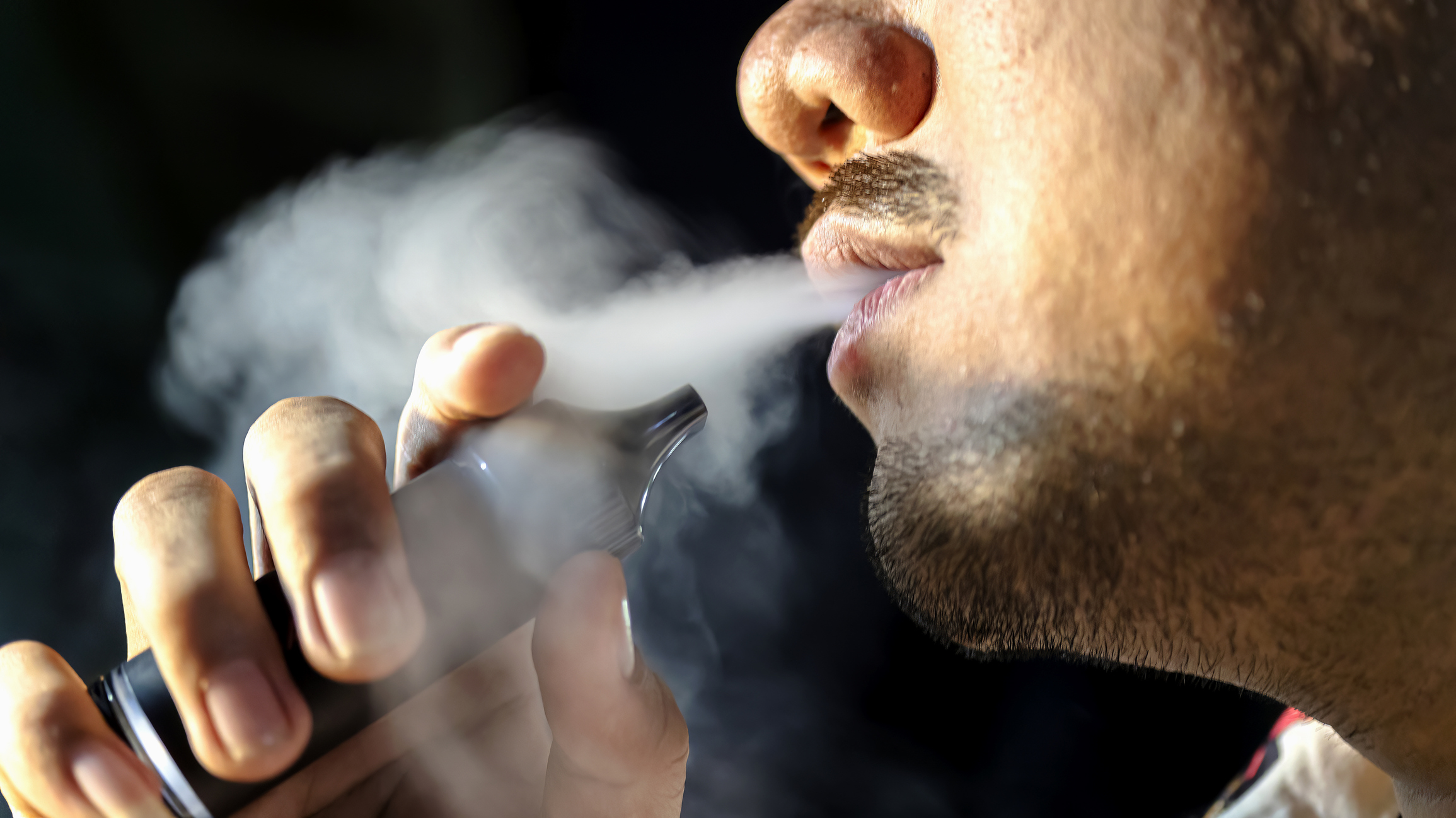
Vaping cancer risk concerns have grown after a major scientific review concluded that nicotine-based e-cigarettes are likely to cause lung and oral cancers. The findings challenge the common belief that vapes are a harmless alternative to smoking, especially for young people and non-smokers. Researchers say the evidence is already strong enough to treat vaping as a serious public health issue, even though long-term cancer tracking will still take years to complete.
Major Study Links Vaping to Cancer Risk
A major review led by researchers at UNSW Sydney concluded that nicotine-based vapes are likely to cause cancer of the lung and oral cavity. The study, published in the journal Carcinogenesis, reviewed evidence from more than 100 scientific papers and examined how vaping affects cells, tissue, and cancer-related biological markers.
The researchers looked at peer-reviewed studies published between 2017 and mid-2025. Because e-cigarettes are still relatively new compared with tobacco, there are not yet decades of long-term human studies showing exact cancer rates among vapers.
Instead, the team focused on early warning signs known to be connected with cancer development. These included DNA damage, inflammation, oxidative stress, tissue injury, and changes in how cells behave.
The review found that vaping aerosol can affect the mouth, throat, and lungs in ways that are linked to cancer risk. That does not mean every person who vapes will develop cancer, but it does mean scientists are seeing changes that should not be ignored.
Lead researcher Adjunct Professor Bernard Stewart said the evidence showed that cells and tissues in the mouth and lungs are altered by e-cigarette inhalation. His warning was direct: regulators should act before waiting decades for absolute proof.
What Did Researchers Find in the Vaping Cancer Study?
Researchers found that vaping may trigger several biological changes that are already linked to cancer formation. The review examined laboratory research, animal studies, human monitoring, and case reports to understand whether e-cigarettes carry their own cancer-causing risk.
One key concern is DNA damage. When DNA is damaged and the body cannot repair it properly, abnormal cell growth can occur. That process is one of the pathways by which cancer may develop.
The review also pointed to inflammation in oral and respiratory tissue. Long-term inflammation can create an unhealthy environment in the body and may increase the risk of cell changes over time.
Another concern is oxidative stress, which happens when harmful molecules overwhelm the body’s natural defenses. Oxidative stress is connected with tissue damage and has been studied in relation to many serious diseases, including cancer.
Animal studies also raised concern. Researchers noted evidence of lung tumor development in mice exposed to e-cigarette aerosol, which added weight to the argument that vaping should not be treated as harmless.
The researchers concluded that nicotine-based e-cigarettes are likely to be carcinogenic to humans, with possible impacts on lung and oral cancer. However, they also made clear that the exact future cancer burden is still unknown.
Why Are Experts Comparing Vaping to Smoking History?
Experts are comparing vaping to smoking history because tobacco’s cancer risks also took decades to become undeniable. Researchers warn that waiting for the same level of long-term proof with vapes could mean reacting only after widespread harm has already occurred.
Professor Stewart pointed out that evidence connecting smoking to lung cancer built slowly over many decades. By the time the link became accepted beyond serious doubt, millions of people had already been exposed to tobacco products for years.
The vaping debate is now at a similar early stage. E-cigarettes have not been used widely for long enough to produce the same kind of long-term cancer data that exists for traditional cigarettes.
That gap in data is one reason the new review focused on cancer-related biological changes rather than waiting for full population-level cancer outcomes. Researchers argue that if the body is already showing signs of DNA damage, inflammation, and tissue alteration, public health officials should not dismiss the risk.
This is especially important because vaping has been heavily marketed as a safer alternative to smoking. For adult smokers trying to quit, health authorities in some countries may still view regulated vaping products differently from cigarettes. But for young people and non-smokers, the message is much clearer: starting to vape can introduce unnecessary health risks.
Is Vaping Safer Than Smoking?
Vaping is generally discussed as less harmful than smoking, but less harmful does not mean safe. The new review focused on whether vaping has cancer-causing potential on its own, not only whether it is better or worse than cigarettes.
That distinction matters. Many people hear that vaping may be less harmful than smoking and assume it carries no serious danger. Researchers say that is not supported by the growing evidence.
Unlike cigarettes, vapes do not produce tar in the same way, and they do not involve burning tobacco. However, vape aerosol can still contain nicotine, chemical byproducts, fine particles, metals, and other substances that may irritate or damage tissue.
Some experts have also urged caution in how the findings are presented. Critics of the review argue that vaping should still be compared with smoking when discussing harm reduction for adult smokers. They warn that exaggerated messaging could discourage smokers from switching away from cigarettes.
That debate is important, but it does not erase the concern for people who never smoked. For teenagers, young adults, and non-smokers, vaping is not a harmless lifestyle habit. It may expose the body to chemicals and biological changes linked to future disease.
The Difference Between Harm Reduction and Risk-Free
Harm reduction means reducing danger compared with a more harmful behavior. It does not mean removing danger completely.
For an adult smoker, switching completely from cigarettes to a regulated vaping product may be discussed differently by doctors and public health officials. For someone who never smoked, starting vaping adds a new health risk rather than reducing an existing one.
That is why researchers and health experts are especially worried about youth vaping. A product designed or promoted as a smoking alternative can become a new addiction pathway for people who were never tobacco users.
Why Young People Are a Major Concern
Young people are a major concern because vaping has become highly visible, easy to hide, and socially normalized. Disposable devices, sweet flavors, colorful packaging, and social media trends have helped make vaping appear casual rather than risky.
Nicotine is addictive, and younger users may become dependent faster than they expect. Once vaping becomes part of a daily routine, stopping can be difficult because the habit is tied to both the chemical effect of nicotine and the behavior of repeatedly using the device.
The new cancer-risk warning adds another layer to existing concerns about youth vaping. Health experts have already warned about possible effects on breathing, oral health, heart health, and nicotine dependence. Now, researchers are saying the cancer-related biological evidence is strong enough to demand more attention.
The study’s authors also urged policymakers to be proactive. They argued that public health systems should not wait until cancer cases appear in large numbers before strengthening regulation, education, and support for quitting.
For parents, schools, and young users, the lesson is simple. Vaping should not be treated as a harmless trend just because it does not look or smell like traditional smoking.
What This Warning Means for Vapers Now
This warning means vapers should take the health risks seriously, especially if they use nicotine-based products regularly. The study does not prove that every user will develop cancer, but it does suggest that vaping can affect the body in ways that raise concern.
People who vape and notice symptoms such as persistent coughing, mouth sores, chest discomfort, shortness of breath, or throat irritation should seek medical advice. These symptoms can have many causes, but ignoring ongoing changes is never wise.
For people who want to quit, support can make the process easier. Nicotine dependence can be difficult to break alone, and medical professionals can suggest safer quitting strategies, counseling, or approved treatments.
The public message should be balanced but firm. Vaping may be part of harm-reduction discussions for some adult smokers, but it should not be marketed or understood as risk-free.
The strongest warning is for non-smokers and young people. If someone does not already smoke, vaping does not provide a health benefit. It only adds exposure to addictive nicotine and substances that may damage cells and tissue.
Key Takeaways
- A major UNSW-led review concluded that nicotine-based vapes are likely to cause lung and oral cancers.
- The study reviewed more than 100 scientific papers published between 2017 and mid-2025.
- Researchers found evidence of DNA damage, inflammation, oxidative stress, and tissue changes linked to cancer risk.
- Long-term cancer data is still limited because vaping is newer than cigarette smoking.
- Experts say vaping should not be treated as harmless, especially for young people and non-smokers.
The vaping cancer risk warning is a reminder that a product can look modern, clean, and trendy while still carrying serious health concerns.