
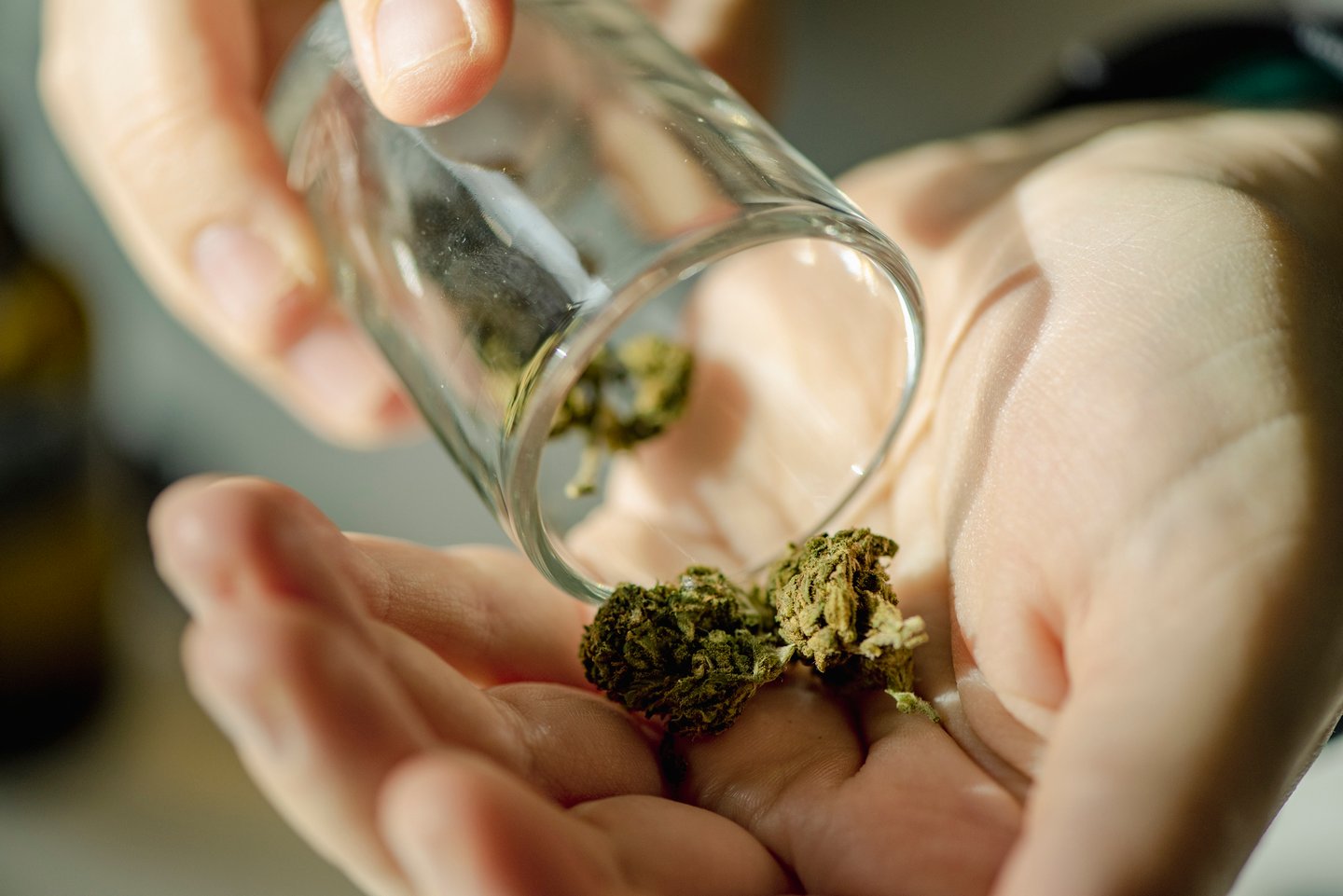
A new study has raised concern about cannabis use among young people after researchers found a stronger link between cannabis-related problems and later psychiatric diagnoses. The findings add to growing warnings that frequent or heavy cannabis use during adolescence may not be harmless, especially while the brain is still developing. Experts say the study does not prove that cannabis alone causes psychosis in every case, but it does suggest young users may face a higher risk of serious mental health outcomes than many realize.
New Study Raises Concern About Young Cannabis Users
Researchers from Johns Hopkins analyzed nearly 700,000 U.S. medical records to examine whether people diagnosed with cannabis use disorder were later more likely to receive psychiatric diagnoses. Cannabis use disorder usually means a person is using cannabis heavily enough that it creates problems with control, daily life, or health.
The study found that young people age 17 and under with cannabis use disorder had a higher relative risk of later being diagnosed with certain psychiatric conditions compared with young people who had other substance use disorders.
For schizophrenia, the relative risk was reported as 52% higher among young people with cannabis use disorder. For recurrent major depression, the risk was 30% higher, and for anxiety disorders, it was 21% higher.
That does not mean every young cannabis user will develop psychosis or schizophrenia. It also does not mean one-time or rare use has the same risk as heavy or disordered use.
But the findings are serious because they suggest cannabis may carry unique mental health risks for younger users, especially during important years of brain development.
Why Psychosis Risk Is Getting More Attention
Psychosis risk is getting more attention because more studies are linking cannabis use, especially frequent or high-THC use, with serious mental health problems. Psychosis can involve hallucinations, paranoia, confused thinking, or losing touch with reality.
Researchers have studied this connection for decades. Earlier research involving Swedish military recruits found that heavy cannabis use was linked with a higher later risk of schizophrenia. More recent studies have continued to find similar associations.
A Canadian study also found that teenagers who used cannabis had a much higher risk of developing a psychotic disorder compared with teens who did not use it. That finding gained attention because the estimated risk was far higher than many people expected.
The concern is not only that cannabis exists. It is that today’s products can be stronger, more available, and more normalized than in the past.
For young people, that combination may be risky. A developing brain may respond differently to cannabis than an adult brain, especially with repeated exposure.
Why Teen Brains May Be More Vulnerable
Teen brains may be more vulnerable because they are still developing areas linked to decision-making, emotional control, reward, memory, and stress response. These systems continue maturing into the mid-20s.
Cannabis affects the body’s endocannabinoid system, which plays a role in mood, learning, reward, and brain signaling. When cannabis is used heavily during adolescence, researchers worry it may interfere with normal development.
THC, the main mind-altering compound in cannabis, is especially important in this discussion. Higher-THC products may increase the chance of paranoia, panic, unusual thoughts, or psychosis-like symptoms in some users.
Not every teen reacts the same way. Genetics, family history, trauma, stress, other substance use, sleep, and mental health background can all affect risk.
But experts are increasingly clear on one point: younger age and heavier use appear to raise concern.
That is why many health professionals advise delaying cannabis use as long as possible, especially for teenagers and young adults.
Does Cannabis Directly Cause Psychosis?
Cannabis does not directly cause psychosis in every person who uses it. The relationship is more complicated than that.
Some young people may already have a higher genetic or personal risk for psychiatric disorders, and cannabis use may trigger symptoms earlier or make the risk stronger. Others may use cannabis to cope with early anxiety, low mood, stress, or unusual thoughts before receiving a diagnosis.
This makes cause and effect difficult to separate. Researchers can identify strong links, but they must be careful about saying cannabis is the only cause.
However, the lack of a simple answer does not mean the risk should be ignored. Many medical experts believe cannabis can contribute to psychosis risk in vulnerable people, especially with heavy use, early use, or high-THC products.
The safest way to explain it is this: cannabis may not be the only factor, but for some young people, it may be an important risk factor.
That is enough reason for caution.
Signs Parents and Young People Should Watch For
Parents and young people should watch for changes in thinking, mood, behavior, sleep, and daily functioning. Warning signs may include paranoia, hearing or seeing things others do not, extreme suspicion, confused speech, strong mood changes, or withdrawing from friends and family.
Other signs can include falling grades, loss of motivation, unusual beliefs, panic episodes, irritability, or needing cannabis to feel normal.
Some symptoms may look like ordinary teenage stress at first. That is why patterns matter. If changes are intense, lasting, or getting worse, they deserve attention.
A young person using cannabis heavily and showing mental health changes should not be dismissed as “just going through a phase.”
Early support can make a major difference. Psychosis-related symptoms are often more treatable when help begins early.
If someone is hearing voices, feeling unsafe, acting very confused, or talking about self-harm, urgent professional help is needed.
Why High-THC Products May Increase Concern
High-THC products may increase concern because they deliver stronger effects than traditional cannabis. Modern products can include potent flower, concentrates, vapes, oils, and edibles.
Higher THC levels can make reactions more unpredictable, especially for younger or inexperienced users. Some people may feel relaxed, while others may experience panic, paranoia, racing thoughts, or frightening changes in perception.
Edibles can be especially tricky because effects may take longer to appear. A young person may take more too soon and then experience a much stronger reaction than expected.
Vapes and concentrates can also deliver high doses quickly. This may increase the chance of dependence or unpleasant mental effects.
The risk may be higher for teens with a family history of schizophrenia, bipolar disorder, severe anxiety, or other psychiatric conditions.
This is why experts recommend honest education rather than casual reassurance that cannabis is always harmless.
What Young People Should Know Before Using Cannabis
Young people should know that cannabis is not risk-free just because it is legal or common in some places. Legal access does not automatically mean safe for every age group.
Alcohol and tobacco are legal for adults in many countries, but they still carry health risks. Cannabis should be viewed with the same seriousness.
A young person with anxiety, low mood, sleep problems, trauma, or family history of serious psychiatric illness should be especially cautious. Using cannabis to cope may provide temporary relief but could worsen symptoms over time.
If someone finds they cannot cut back, needs cannabis daily, or feels anxious without it, that may be a sign of dependence.
The best choice for teens is to avoid or delay use. For those already using, cutting back, avoiding high-THC products, and speaking honestly with a healthcare professional can help reduce risk.
Shame is not useful. Clear information is.
Why Doctors Want Better Screening
Doctors want better screening because cannabis use and mental health symptoms often overlap. A young person may come in with anxiety, low mood, paranoia, sleep problems, or school struggles, while cannabis use may be part of the picture.
Healthcare providers need to ask about cannabis in a non-judgmental way. If patients feel judged, they may hide the truth, which makes care harder.
Screening can help doctors understand whether cannabis is making symptoms worse, whether the person is dependent, or whether early psychiatric treatment is needed.
Families also need better education. Many parents may not know that today’s cannabis products can be much stronger than what existed decades ago.
The goal is not fear-based messaging. The goal is early recognition, honest conversations, and timely support.
Key Takeaways
- A Johns Hopkins study analyzed nearly 700,000 U.S. medical records and found higher psychiatric risk among young people with cannabis use disorder.
- Young people 17 and under with cannabis use disorder had a 52% higher relative risk of schizophrenia compared with young people with other substance use disorders.
- Heavy, frequent, early, and high-THC cannabis use may be especially concerning.
- Cannabis does not guarantee psychosis, but it may increase risk for vulnerable young people.
- Warning signs such as paranoia, hallucinations, confused thinking, major mood changes, or withdrawal should be taken seriously.
Cannabis may be common, but this research shows why young people and families should treat frequent use carefully, especially when mental health changes begin to appear.