
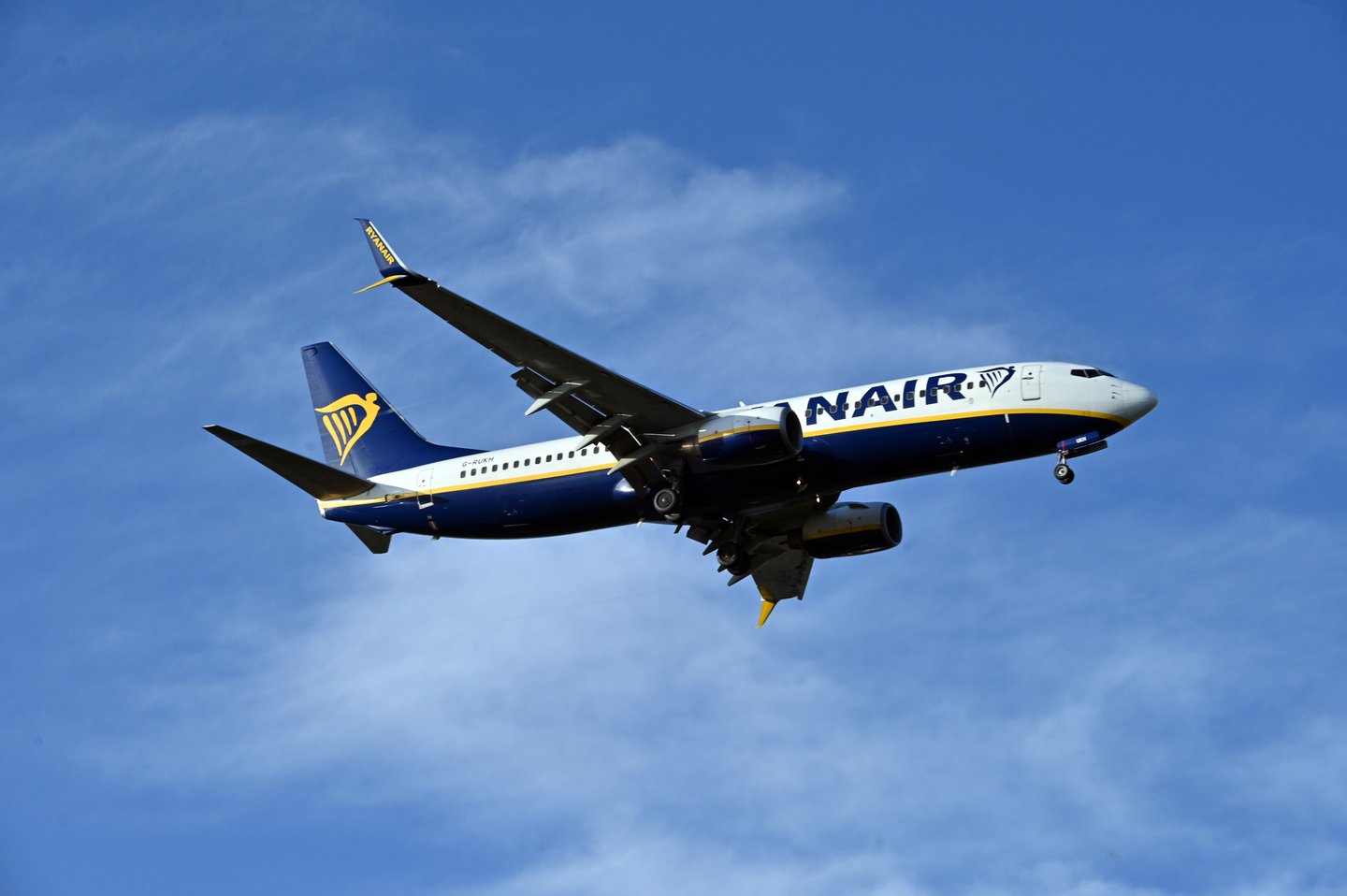
A popular airline has sparked a travel debate after telling passengers to stop wearing jeans on flights. Ryanair shared the advice in a TikTok post, suggesting that denim is not the best choice for air travel because it can feel stiff, tight, and uncomfortable in cramped seats. The post quickly divided travelers, with some agreeing that loose clothing is better for flying, while others argued that jeans are practical, stylish, and help save space in small carry-on bags.
Ryanair Sparks Debate With No-Jeans Flight Advice
Ryanair caused a stir after posting a lighthearted travel tip telling passengers to stop travelling in jeans. The airline’s message was not an official ban or dress code, but more of a comfort suggestion aimed at modern travelers.
The budget airline often uses humor on social media, and this post followed that same style. However, the advice still triggered a big reaction because jeans are one of the most common travel outfits in the world.
For many people, denim feels like a safe airport choice. Jeans are durable, easy to style, and suitable for arriving at a destination without needing to change clothes.
But Ryanair’s point was simple: airplane seats are already tight, and stiff denim may make the journey feel even less comfortable.
The debate quickly became less about fashion and more about how people balance comfort, luggage space, and personal style while flying.
Why Jeans May Be Uncomfortable on Flights
Jeans may be uncomfortable on flights because denim can be stiff and restrictive, especially during long periods of sitting. Airplane seats already limit movement, so tight or rigid clothing can make the body feel more cramped.
Skinny jeans or heavy denim may press around the waist, hips, knees, and thighs. This can make it harder to relax, stretch, or shift position during a flight.
Long flights can make this worse. Sitting for several hours may cause swelling in the legs or feet, and tight clothing can feel more uncomfortable as the journey continues.
Even on short flights, travelers may deal with airport walking, security lines, boarding queues, and waiting around before sitting in a narrow seat.
Loose clothing usually makes that whole process easier. Soft trousers, joggers, relaxed-fit pants, or stretchy fabrics allow better movement and may feel more comfortable during delays or long travel days.
That is why some travel experts recommend avoiding anything too tight when flying.
Is Wearing Jeans on a Plane Actually Unsafe?
Wearing jeans on a plane is not automatically unsafe. Millions of travelers wear denim every day without any issue.
The concern is mainly about comfort and movement, not a strict safety danger. Tight clothing can feel restrictive, especially on longer journeys, but a well-fitting pair of jeans is usually not a major problem for a healthy traveler.
That said, very tight clothing may make swelling or circulation discomfort worse during long flights. Sitting still for hours can already reduce movement in the legs, so clothing that digs into the waist or thighs may add to the discomfort.
Travelers with circulation problems, pregnancy, recent surgery, or a history of blood clots should be especially careful with clothing choices and may need medical advice before long flights.
For most passengers, the practical answer is balanced. Jeans are fine if they are comfortable, loose enough, and do not restrict movement.
The problem is not denim itself. The problem is tight, stiff, or uncomfortable clothing during a long seated journey.
Why Some Travelers Still Defend Wearing Jeans
Many travelers defended wearing jeans because they are practical. For people flying with small carry-on bags, wearing heavier clothes on the plane can save luggage space.
This is especially true on budget airlines, where baggage allowance can be limited and extra bags may cost more. If someone packs joggers but wears jeans at the destination, they may waste valuable space in their bag.
Jeans are also versatile. A traveler can wear them at the airport, during sightseeing, at casual dinners, or while walking around a city.
Some people also feel more put together in jeans than in sweatpants or lounge clothing. They prefer arriving at their destination already dressed for the day.
Others argued that the right jeans can be comfortable. Loose-fit, stretch denim, wide-leg jeans, or soft worn-in pairs may feel very different from tight skinny jeans.
This is why the debate became so divided. For some people, jeans are the worst flight choice. For others, they are the most practical option.
What Should You Wear Instead?
For comfort, travelers may prefer loose trousers, joggers, leggings that are not too tight, soft cargo pants, wide-leg pants, or breathable travel clothing. The best outfit depends on flight length, destination weather, and personal comfort.
For long-haul flights, soft layers are usually helpful. Airplane cabins can feel cold, then warm, then cold again, so wearing layers makes it easier to adjust.
A loose top, comfortable trousers, socks, and supportive shoes can make the journey easier. Shoes should also be easy to remove and put back on during security or long flights.
Avoid clothing that digs into the stomach, waist, or legs. Also avoid outfits that are hard to move in or uncomfortable during bathroom breaks.
The goal is not to look careless. It is to choose an outfit that allows movement, comfort, and easy travel.
A smart travel outfit can still look stylish without being restrictive.
How to Wear Jeans Comfortably on a Flight
If you still want to wear jeans on a flight, choose the right pair. The best option is relaxed-fit denim with some stretch.
Avoid very tight jeans, stiff new denim, or anything that feels uncomfortable after sitting for a short time. If jeans feel tight before boarding, they will likely feel worse during the flight.
High-waisted jeans can be stylish, but they may press into the stomach while seated for hours. Mid-rise or relaxed-waist styles may feel easier for travel.
Worn-in denim is usually more comfortable than brand-new jeans. Softer fabric can move with the body and reduce stiffness.
Pairing jeans with a loose shirt, sweater, or jacket can also make the outfit feel more relaxed.
For longer flights, some travelers bring a softer pair of trousers in their bag and change after boarding or before landing. That may be a good compromise if luggage space allows.
Why the Debate Became So Popular Online
The debate became popular because almost every traveler has an opinion about flight clothing. Some people believe comfort should come first, while others care about looking presentable or packing efficiently.
Ryanair’s post also worked because it touched a familiar frustration: flying can already be uncomfortable. Tight seats, small legroom, delays, and baggage restrictions make clothing choices feel more important.
The reaction also reflected how people view budget airlines. Some joked that Ryanair might eventually charge extra for wearing jeans, while others used the post to complain about baggage limits.
That humor helped the story spread. A simple clothing suggestion turned into a wider conversation about comfort, airline rules, and travel habits.
The post also showed how travel advice can become controversial when it feels like it challenges something ordinary. Jeans are such a common outfit that being told not to wear them naturally made people react.
Key Takeaways
- Ryanair told passengers to stop travelling in jeans, sparking debate online.
- The advice was a comfort suggestion, not an official ban.
- Tight or stiff jeans can feel restrictive during flights, especially on long journeys.
- Many travelers still defend jeans because they save luggage space and work well after landing.
- The best flight outfit is loose, breathable, comfortable, and easy to move in.
Jeans are not banned from flights, but Ryanair’s viral advice makes one useful point: when you are sitting in a cramped seat for hours, comfort matters more than most travelers realize.