
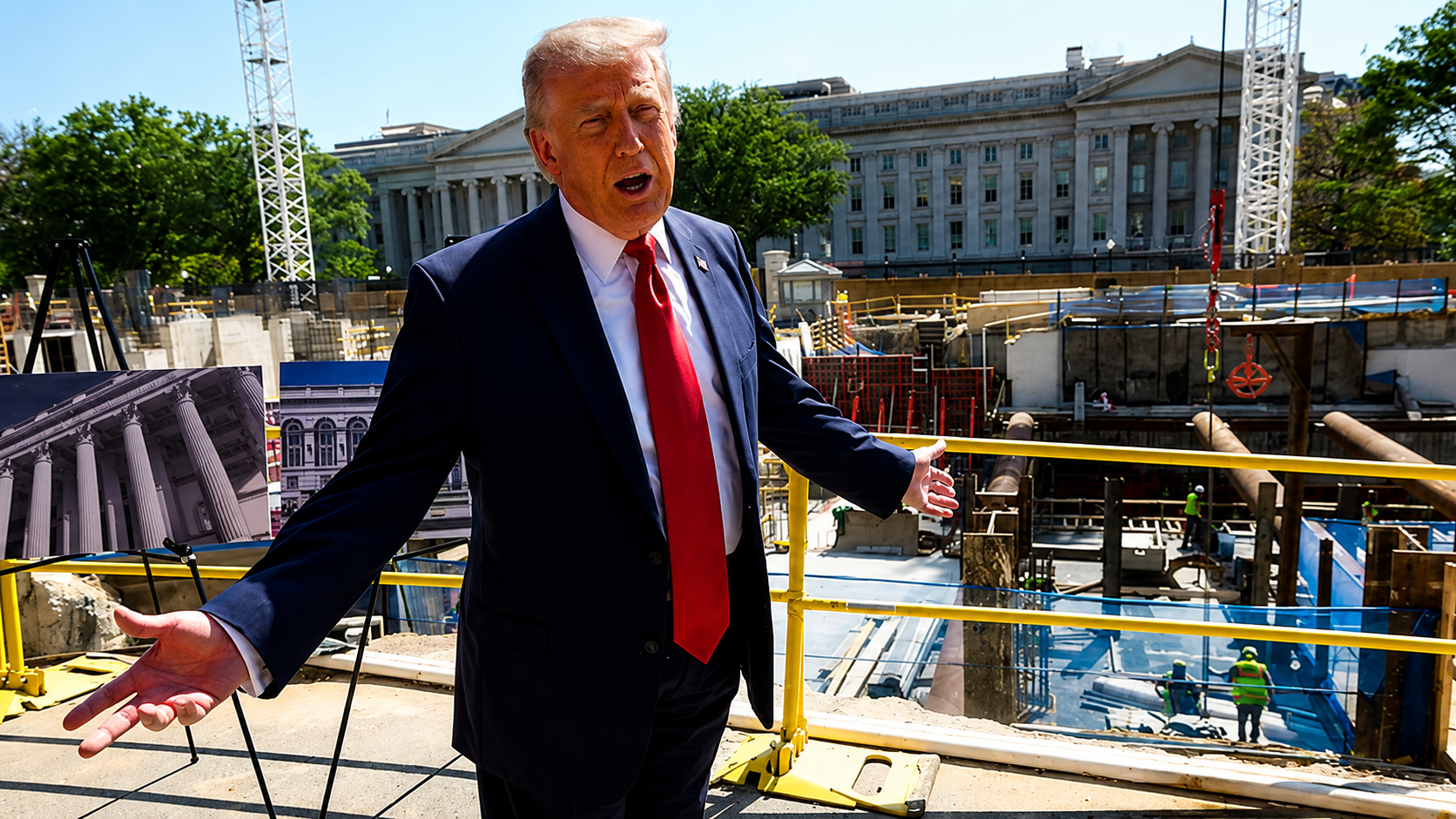
President Donald Trump and Secretary of State Marco Rubio have renewed strong warnings toward Cuba, signaling a tougher approach as tensions between Washington and Havana continue to grow. The latest comments have sparked international attention after Trump suggested he may take action against Cuba in ways previous administrations avoided.
What Did Trump Say About Cuba?
During remarks at the White House, Trump said earlier presidents had considered major action involving Cuba for decades, adding that he may be the leader who finally moves forward with it. He also claimed he would be “happy” to take stronger steps if necessary.
Although Trump did not outline a specific plan, his comments immediately raised concerns among international observers because they came shortly after new criminal charges were announced against former Cuban leader Raúl Castro.
The administration has repeatedly accused Cuba’s government of maintaining close relationships with geopolitical rivals including China and Russia.
Why Is Marco Rubio Calling Cuba a Security Concern?
Marco Rubio stated that Cuba has represented a national security concern for years due to its alliances and regional activities. Rubio also said recent diplomatic conversations with Cuban officials produced little progress, increasing skepticism about peaceful negotiations.
According to Rubio, the White House still prefers diplomacy, but he questioned whether meaningful agreements are possible under Cuba’s current leadership. The administration has also expanded sanctions targeting Cuban government-linked organizations and individuals.
New Sanctions Increase Pressure
Recent measures reportedly focused on businesses connected to Cuba’s military-controlled economic system. Officials argued these restrictions are intended to pressure the Cuban government while limiting financial support flowing to state institutions.
Rubio emphasized that the administration does not believe Cuba can simply “wait out” current U.S. pressure campaigns.
What Triggered the Latest Escalation?
The latest rise in tensions followed criminal charges linked to a 1996 aviation incident involving civilian aircraft operated by a Miami-based exile group. U.S. prosecutors accused former Cuban officials of responsibility for the event, reigniting long-standing disputes between the two countries.
At the same time, the United States increased military activity in the Caribbean region, including naval operations involving the USS Nimitz carrier group. Reports say this move added to speculation about whether Washington could consider broader regional measures.
Cuba Responds With Strong Criticism
Cuban officials strongly rejected the accusations and criticized Washington’s approach. Government representatives described the renewed pressure as destabilizing and argued that Cuba does not pose a direct threat to the United States.
International observers also warned that increasing pressure could worsen Cuba’s already difficult economic conditions.
How Are Global Leaders Reacting?
Several international governments and analysts expressed concern about the increasingly aggressive rhetoric surrounding Cuba. Some experts fear additional escalation could create wider instability across Latin America and the Caribbean.
China publicly criticized the U.S. approach and reaffirmed support for Cuba’s government. Other countries have encouraged renewed diplomacy instead of stronger confrontation.
Meanwhile, political analysts note that Trump’s recent foreign policy approach has increasingly focused on projecting strength in the Western Hemisphere.
Could Diplomacy Still Prevent Further Conflict?
Despite the sharp rhetoric, reports suggest U.S. and Cuban officials have quietly held behind-the-scenes discussions in recent months. However, both sides appear far apart on key demands involving political reform, sanctions, and security issues.
Some experts believe diplomatic channels remain possible if both governments reduce public escalation and focus on humanitarian and economic concerns.
For now, though, the relationship between Washington and Havana appears more strained than at any point in recent years.
Key Takeaways
- Donald Trump suggested he may take stronger action toward Cuba than previous presidents.
- Marco Rubio described Cuba as a long-term national security concern.
- New sanctions and criminal charges against former Cuban officials intensified tensions.
- International leaders are urging diplomacy as concerns about regional stability continue growing.
Will renewed negotiations eventually calm tensions, or is the U.S.-Cuba relationship heading toward an even more difficult chapter?