
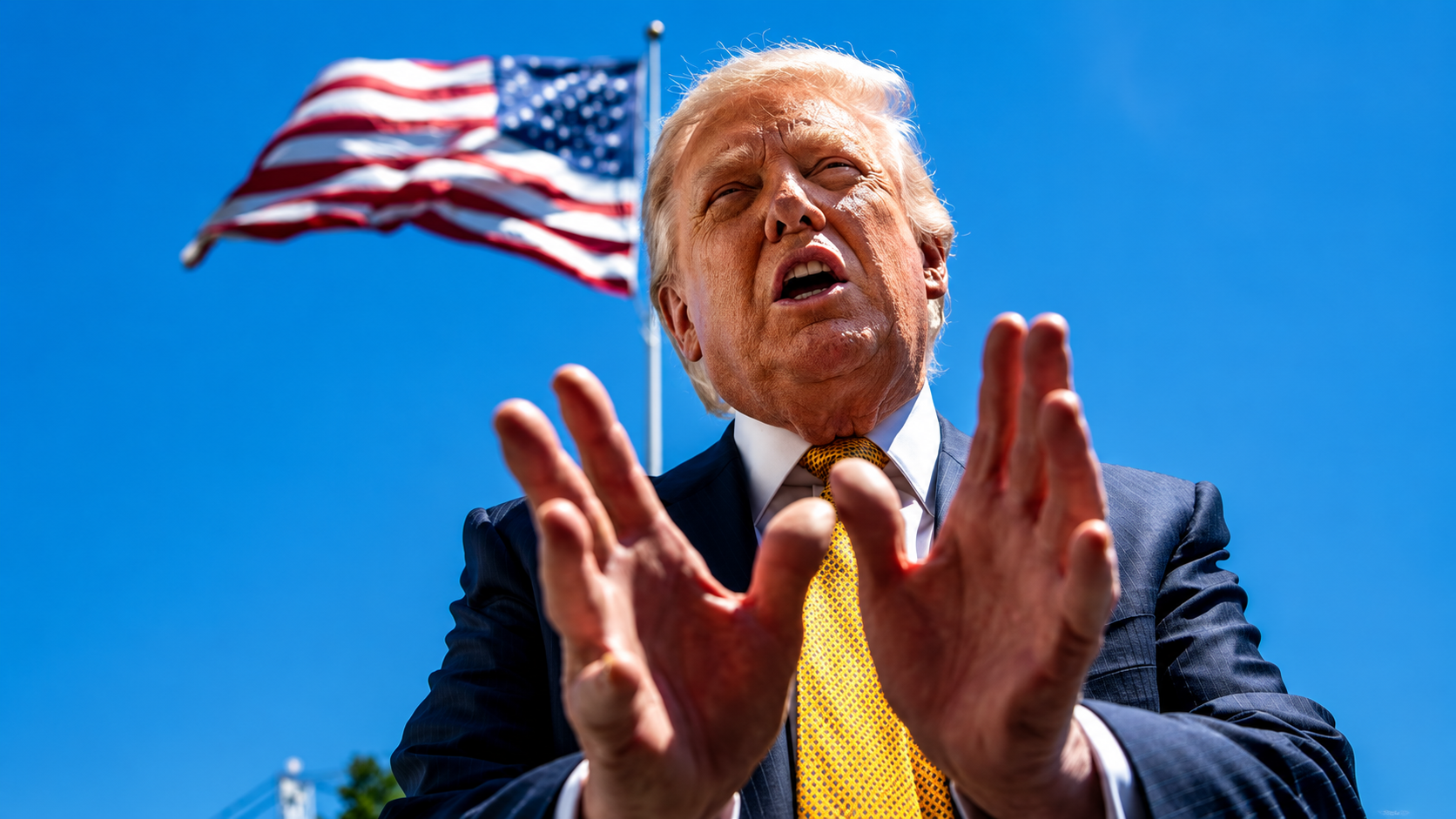
President Donald Trump is once again facing growing political debate after two controversial proposals — a large “anti-weaponization” compensation fund and funding tied to a new White House ballroom project — triggered resistance from members of his own party. The dispute has complicated Republican efforts to pass a major immigration and border funding package in Congress.
Why Are Republicans Divided Over Trump’s New Proposals?
The controversy centers around a proposed $1.776 billion “anti-weaponization” fund linked to a Justice Department settlement involving Trump, his family, and the IRS. Critics within both parties argue the proposal lacks transparency and could become politically damaging ahead of upcoming elections.
Several Republican senators reportedly expressed frustration during private meetings with administration officials, questioning how the money would be distributed and who would qualify for compensation. Some lawmakers feared the issue could become difficult to defend publicly at a time when voters remain focused on inflation and household costs.
At the same time, a separate proposal involving funding for additional White House security upgrades and a new ballroom project also became a flashpoint inside Congress.
What Is the White House Ballroom Project?
The ballroom proposal involves a major expansion and redesign connected to White House event space and security infrastructure. Supporters argue the project would improve safety and reduce reliance on outside venues for large events.
However, opponents have criticized the timing and cost of the project, especially during a period of economic uncertainty. Some Republicans reportedly worried the proposal could appear out of touch with voters concerned about rising prices and government spending.
Funding Debate Intensifies
Congressional negotiators attempted to attach ballroom-related funding to a broader immigration enforcement bill, but resistance quickly grew. According to reports, Senate leaders eventually postponed planned votes after disagreements expanded within the Republican conference.
The debate also became tied to procedural disputes in the Senate, with some provisions reportedly facing challenges under congressional budget rules.
How Did the IRS Settlement Become So Controversial?
The IRS-related settlement emerged from a legal dispute involving the release of Trump tax information and claims of political targeting. The Justice Department agreed to create the compensation fund as part of the broader settlement arrangement.
Critics from both parties questioned whether the arrangement gave too much control to the administration over taxpayer money. Some lawmakers argued additional safeguards and oversight would be necessary before approving related funding measures.
Democrats Increase Pressure
Democratic leaders sharply criticized the proposals, describing them as politically risky and financially irresponsible. Senate Minority Leader Chuck Schumer accused Republicans of internal disorganization after planned votes collapsed this week.
Meanwhile, conservative media and some Republican commentators also expressed concern that the issue could distract from broader immigration and economic priorities.
Could This Affect Trump’s Political Influence?
Despite continued strong support among many Republican voters, recent disagreements suggest Trump’s influence inside Congress may face growing limits when lawmakers believe controversial proposals could hurt them politically.
Senate Republicans ultimately delayed the immigration funding package until after the Memorial Day recess, marking a rare public setback involving one of Trump’s legislative priorities.
Some analysts believe the disagreement reflects broader tensions within the Republican Party over strategy, messaging, and spending priorities heading into future elections.
Why This Debate Matters Beyond Washington
The dispute highlights how economic anxiety, government spending concerns, and political loyalty continue shaping American politics. Polling released this week also suggested growing voter dissatisfaction about economic conditions, increasing pressure on lawmakers from both parties.
For many voters, the debate is becoming less about individual projects and more about how Washington prioritizes spending during financially difficult times.
Key Takeaways
- Trump’s proposed “anti-weaponization” fund sparked resistance among Republicans and Democrats.
- Funding tied to a White House ballroom and security project became another source of controversy.
- Senate Republicans delayed key immigration funding votes after internal disagreements intensified.
- The debate reflects broader political tensions over spending, transparency, and party strategy.
Will these internal Republican disagreements reshape how Congress handles Trump’s future policy priorities?