
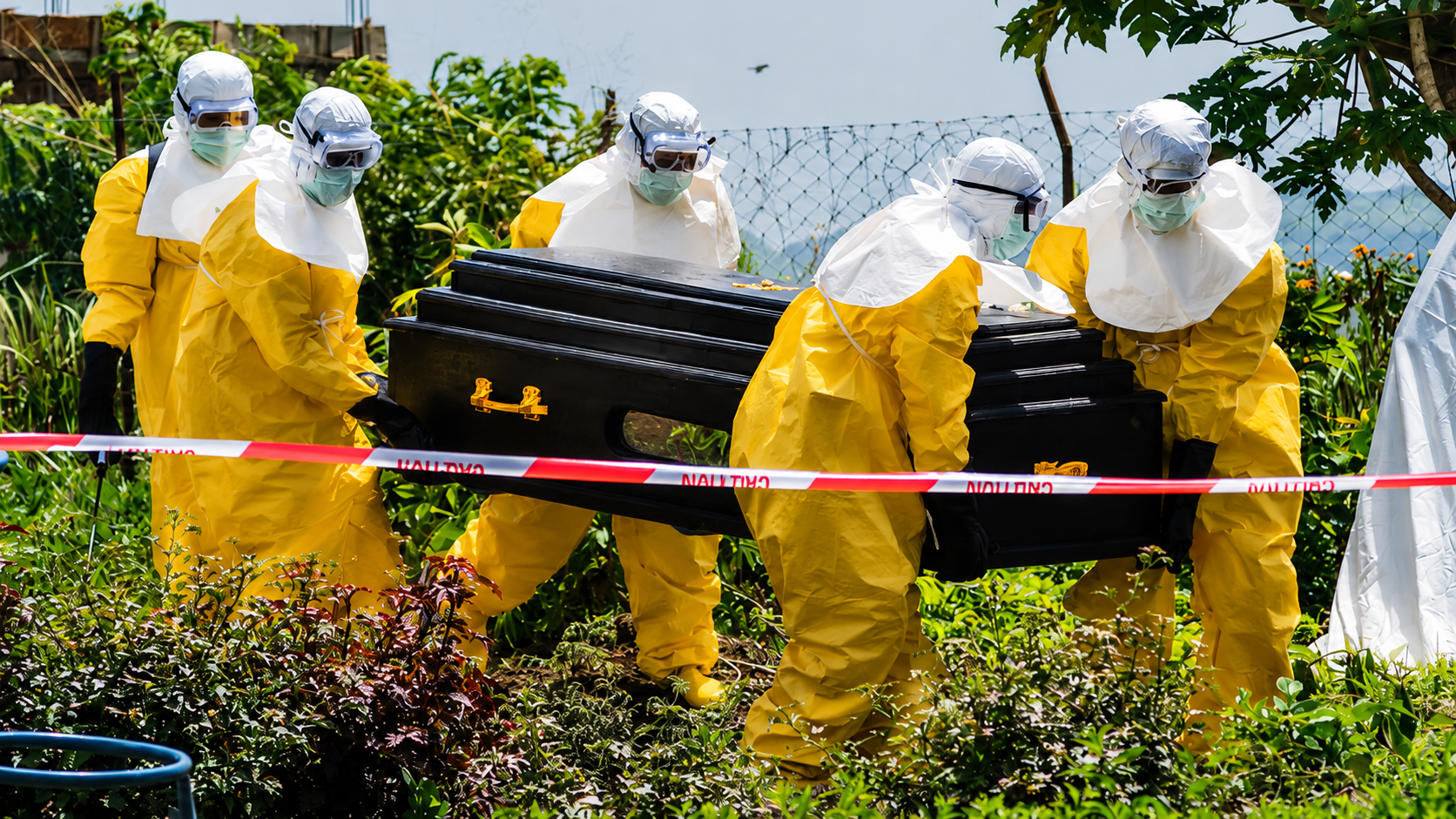
Health officials and humanitarian organizations are raising concerns that recent reductions in international aid may be weakening efforts to contain the growing Ebola outbreak in the Democratic Republic of Congo (DRC) and Uganda. Medical responders say funding shortages have disrupted surveillance systems, delayed emergency response operations, and limited access to essential equipment in affected regions.
The outbreak, linked to the Bundibugyo strain of Ebola, has spread rapidly in parts of eastern Congo and neighboring Uganda. The World Health Organization (WHO) recently declared the situation a “public health emergency of international concern”, warning that continued spread could affect additional countries if response efforts are not strengthened quickly.
Health Officials Say Funding Cuts Slowed Early Detection
Public health experts say the outbreak may have gone undetected for weeks because surveillance systems in some areas had already been weakened by reduced international support. Humanitarian groups operating in the region reported staff reductions, clinic closures, and shortages of protective supplies after major funding declines from several Western governments.
According to reporting from international health agencies, the DRC previously relied heavily on outside funding for outbreak monitoring, rapid testing, transportation of medical samples, and training healthcare workers. Officials now say those systems became harder to maintain after aid budgets were scaled back.
The United Nations has since announced emergency funding and additional personnel to help support containment operations in eastern Congo, particularly in the conflict-affected Ituri province.
Hundreds of Suspected Cases Reported
Health authorities report hundreds of suspected Ebola cases across the affected regions, with significant loss of life already linked to the outbreak. The virus has spread through areas facing instability, population movement, and limited healthcare access, making containment more difficult.
The CDC confirmed that the outbreak was officially identified in May 2026 in northeastern Congo and later connected to cases in Uganda. Officials say the risk to the United States remains low, but monitoring and travel precautions have been increased.
Unlike some previous Ebola outbreaks, experts say there is currently no approved vaccine specifically available for the Bundibugyo strain, which has increased urgency among global health organizations. Experimental vaccines are reportedly under evaluation, but researchers say development and deployment may still take months.
Travel Restrictions and International Debate
The United States recently introduced stricter travel screening measures for travelers arriving from affected countries, including the DRC, Uganda, and South Sudan. Travelers are now being routed through designated airports for additional health checks.
However, some African health leaders and humanitarian organizations argue that broad travel restrictions may complicate outbreak control rather than improve it. Critics say limiting movement and reducing international engagement could discourage reporting, interrupt supply chains, and slow humanitarian operations in affected communities.
The Africa CDC and WHO continue urging countries to focus on strengthening local health systems, increasing medical support, and improving regional coordination instead of relying mainly on border restrictions.
Challenges in Conflict Zones
The outbreak is unfolding in regions already affected by armed conflict, displacement, and infrastructure shortages. Health workers say these conditions make it difficult to track cases, transport patients, and safely reach remote communities.
Some hospitals and response teams have reportedly struggled with shortages of protective equipment, limited laboratory capacity, and disruptions caused by insecurity near outbreak zones. Public health officials warn that if additional support is not mobilized quickly, the situation could worsen significantly in coming weeks.
Key Takeaways
- Health officials say recent international aid reductions may have weakened Ebola response systems in the Democratic Republic of Congo and Uganda.
- The WHO has declared the outbreak a global public health emergency, citing concerns about regional spread and limited medical resources.
- Hundreds of suspected Ebola cases have been reported in eastern Congo and neighboring areas, with health systems under increasing pressure.
- The outbreak involves the Bundibugyo strain, for which there is currently no widely approved vaccine.
- The United States has increased travel screening measures, while African health leaders continue calling for stronger investment in local outbreak response efforts.