
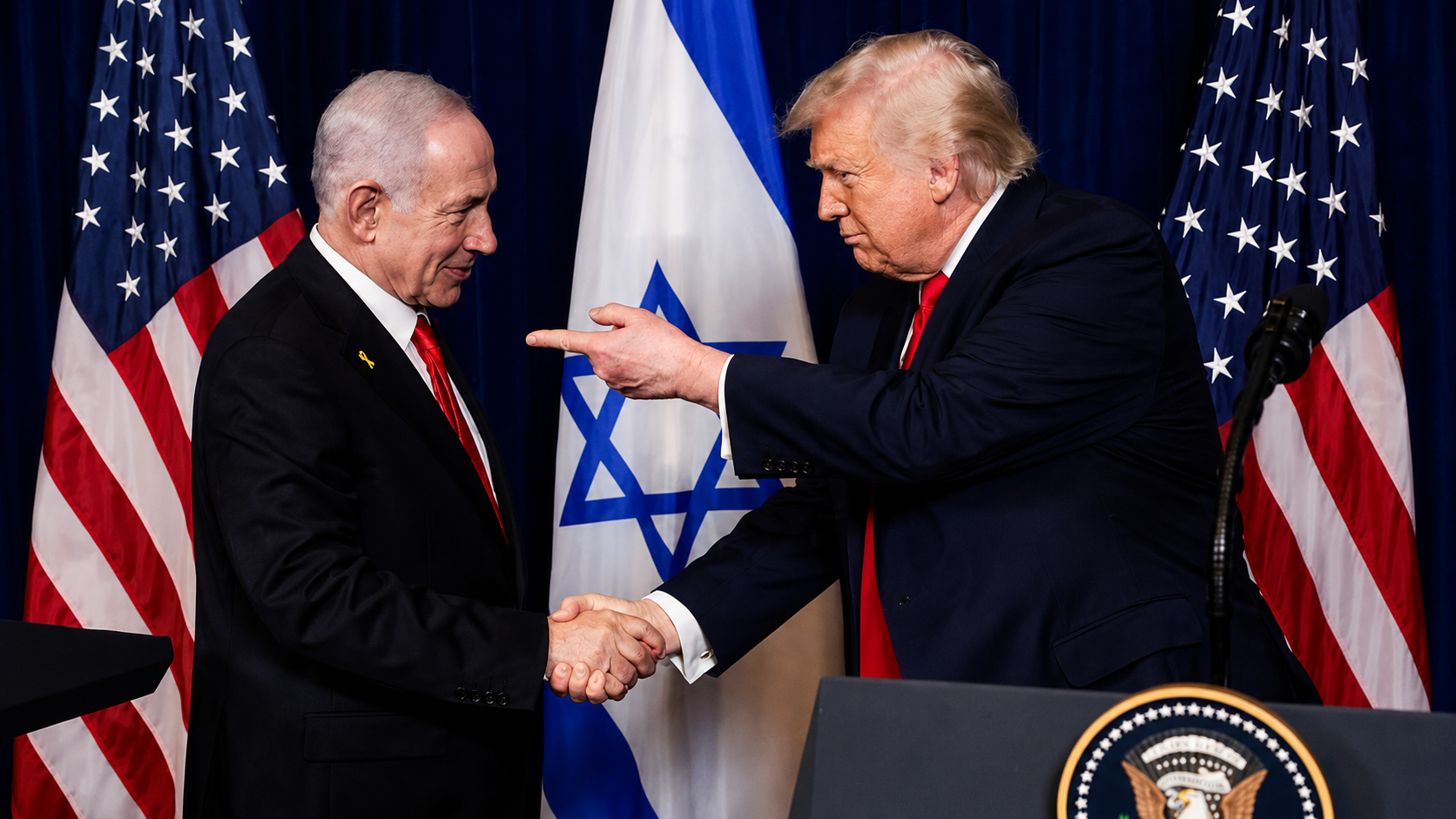
Tensions between President Donald Trump and Israeli Prime Minister Benjamin Netanyahu reportedly intensified during a recent phone conversation focused on the ongoing Iran situation. Multiple reports described the discussion as unusually tense, highlighting growing differences between the two leaders over diplomacy and future strategy in the Middle East.
What Sparked the Tense Trump-Netanyahu Call?
The reported disagreement centered on a proposed diplomatic framework involving Iran. According to several international reports, the proposal included steps aimed at easing regional tensions while reopening negotiations around Iran’s nuclear activities and economic restrictions.
Sources familiar with the conversation claimed Netanyahu strongly favored a tougher approach, while Trump appeared more willing to continue diplomatic talks for a limited period. Reports suggested the Israeli leader expressed frustration over delaying stronger action while negotiations remained active.
The discussion reportedly lasted about an hour and reflected broader differences between Washington and Jerusalem on how quickly to move forward.
Why Is Iran at the Center of the Dispute?
Iran remains one of the most sensitive foreign policy issues for both the United States and Israel. Negotiations have focused heavily on uranium enrichment, sanctions, regional security concerns, and shipping routes tied to global energy markets.
Israeli officials have repeatedly argued that Iran’s nuclear capabilities and regional influence represent a major security concern. Meanwhile, diplomatic mediators from countries including Qatar and Pakistan have reportedly worked to create temporary agreements that could prevent further escalation.
Regional Leaders Push for Diplomacy
Several Gulf nations reportedly encouraged Washington to give negotiations additional time before considering stronger measures. Reports indicate this influenced Trump’s decision to pause previously discussed plans and explore diplomatic alternatives.
This diplomatic effort has placed the White House in a balancing position between maintaining regional alliances and avoiding a broader conflict that could impact global markets and energy prices.
How Are Political Observers Reacting?
Political analysts say the reported disagreement highlights a potentially significant shift in the relationship between Trump and Netanyahu. While the two leaders have often presented a united front publicly, recent developments suggest strategic differences may be growing behind closed doors.
Some observers believe Trump is increasingly focused on avoiding long-term international instability and economic disruption ahead of future political battles in the United States. Others argue Netanyahu remains committed to maintaining maximum pressure on Iran regardless of diplomatic progress.
Public Statements Remain More Controlled
Despite reports of a heated conversation, both sides have continued making relatively measured public comments. Trump recently stated he remains confident in his influence over Israeli policy decisions, while Israeli officials emphasized ongoing cooperation between the two countries.
Neither leader publicly confirmed the more dramatic descriptions of the private call.
Could This Affect Future U.S.-Israel Relations?
Experts say the disagreement is unlikely to damage the long-standing alliance between the United States and Israel, but it could influence short-term decisions involving diplomacy, sanctions, and military coordination.
The coming weeks may determine whether negotiations with Iran continue or whether both countries return to a more confrontational strategy. Much will depend on whether diplomatic mediators can secure progress acceptable to both Washington and Jerusalem.
The situation also remains closely tied to global oil markets, international shipping routes, and regional stability across the Middle East.
Why This Story Is Drawing Global Attention
The reported phone call has become a major international talking point because it highlights how rapidly alliances and strategies can shift during sensitive geopolitical negotiations. Public interest has also increased because both Trump and Netanyahu remain highly influential political figures with strong support bases.
As diplomatic discussions continue, analysts expect further scrutiny over how the United States and Israel coordinate their next steps regarding Iran.
Key Takeaways
- Reports say Donald Trump and Benjamin Netanyahu held a tense phone conversation about Iran policy.
- Trump reportedly supported giving diplomacy more time, while Netanyahu favored a tougher approach.
- Gulf nations and mediators are pushing for continued negotiations to reduce regional tensions.
- The disagreement highlights growing strategic differences despite the close U.S.-Israel alliance.
Will diplomacy reshape the next phase of U.S.-Iran relations, or will regional tensions continue to rise?