
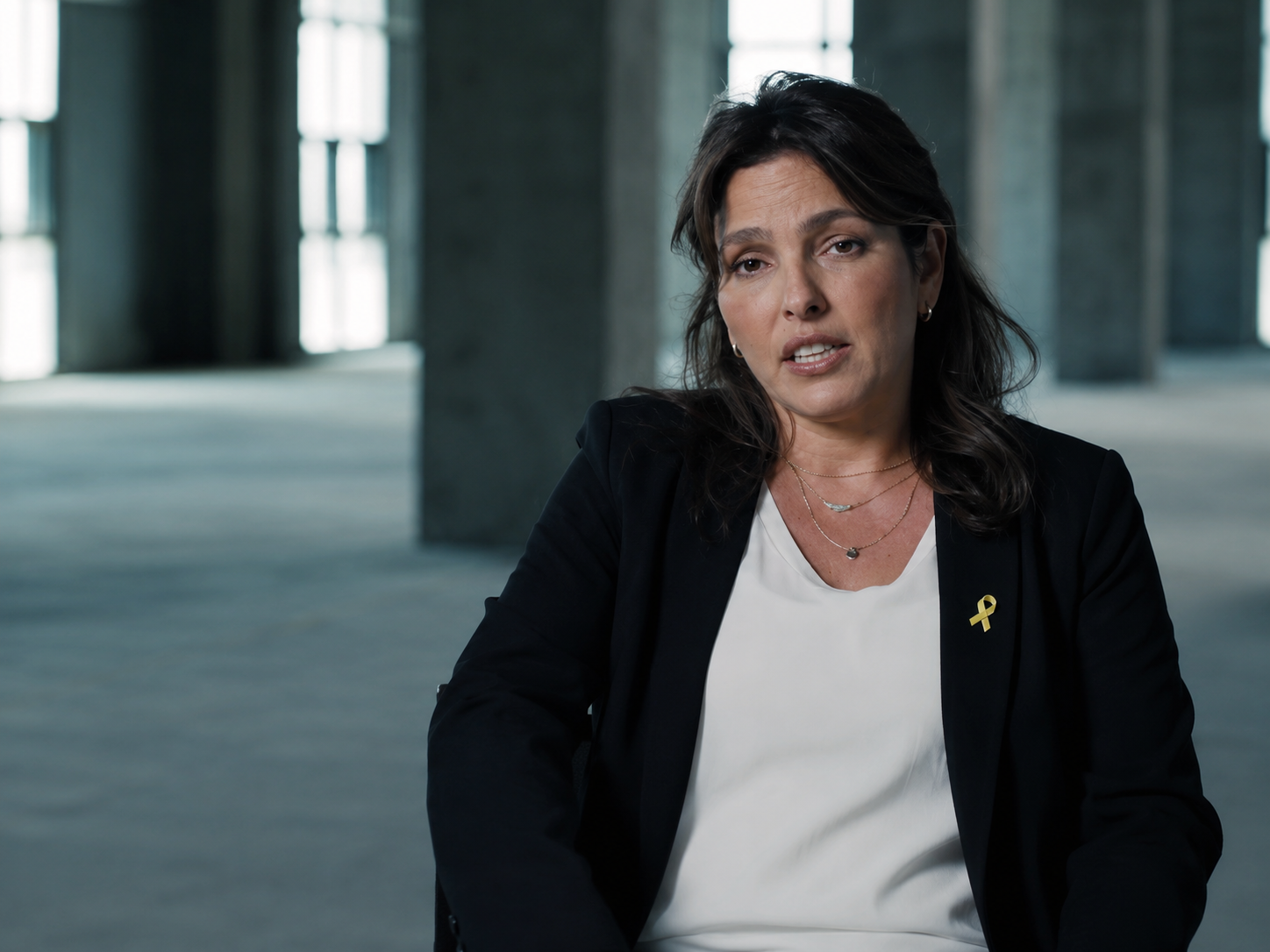
A new 300-page report has renewed global attention on the October 7 attacks, detailing claims of systematic abuse, family trauma, hostage mistreatment, and gender-based crimes committed during and after the Hamas-led assault on Israel. The report, produced by the Civil Commission on Oct. 7 Crimes by Hamas Against Women and Children, says the attacks were not only acts of armed violence, but part of a wider pattern meant to terrorize families and communities. Officials and researchers say the findings may also affect future legal proceedings against suspects captured by Israel.
New Report Raises Fresh Outrage
The report has caused fresh outrage because it focuses on what Israeli families, women, children, and hostages allegedly experienced during the October 7 attacks and the months that followed.
According to coverage of the report, investigators gathered survivor accounts, hostage testimony, first-responder statements, medical evidence, and earlier findings from international bodies.
The report argues that gender-based abuse was not random or isolated, but part of a broader pattern across different locations, including communities near the Gaza border and captivity situations afterward.
Because the topic is extremely sensitive, many outlets are avoiding graphic detail while still emphasizing the seriousness of the allegations.
The central claim is that victims were targeted not only physically, but emotionally, socially, and symbolically, with families forced to endure severe trauma.
Report Says Abuse Continued Into Captivity
One of the most serious parts of the report is the claim that abuse did not end on October 7. Researchers argue that captivity itself became a continuation of the same pattern of coercion, humiliation, and control.
The report reportedly looks at the attack, the abductions, the transfer of hostages into Gaza, the conditions of captivity, filming of hostages, and public display of suffering as connected acts rather than separate events.
That framing matters legally because it may influence how prosecutors understand the timeline of crimes.
Instead of seeing October 7 as only one day of violence, the report suggests a longer chain of harm involving captives, families, and communities.
This is why the findings are now being discussed in connection with future trials and international legal accountability.
Israel Creates Special Tribunal for October 7 Suspects
The report comes as Israel’s parliament has passed a law creating a special military tribunal to prosecute suspects accused of involvement in the October 7 attacks. The tribunal will be based in Jerusalem and may try hundreds of captured militants, including members of Hamas’s Nukhba unit.
The new tribunal law passed with overwhelming support in the Knesset. It allows public proceedings, victim attendance in some hearings, and in certain cases, capital punishment, though any such sentence would trigger an automatic appeal.
Supporters say the tribunal is needed because of the scale and emotional weight of the attacks.
Critics, including rights groups, have warned that the process must still meet fair-trial standards and avoid becoming a political spectacle.
Why the Findings Matter Legally
The report could matter legally because detailed evidence may help prosecutors establish patterns, intent, and the organized nature of the alleged crimes.
In major atrocity cases, courts often look for more than isolated incidents. They examine whether similar acts happened across locations, whether victims were targeted in specific ways, and whether crimes continued after the initial assault.
This report appears to argue exactly that: the alleged abuse formed a pattern across the attack and captivity period.
That may become important if suspects face charges connected to crimes against civilians, hostage-taking, torture, gender-based abuse, or organized terror activity.
However, legal experts will still need to test evidence in court. Reports can support investigations, but court convictions require evidence that meets legal standards.
Hamas Rejects Israeli Legal Moves
Hamas has rejected Israel’s new tribunal law and accused Israel of using the process to cover its own actions during the Gaza conflict.
The wider war remains heavily disputed internationally. Reuters reported that the October 7 attack claimed at least 1,200 lives in Israel and that Israel’s military campaign in Gaza has led to more than 72,000 Palestinian losses, according to Gaza health authorities.
That context is important because any legal process will unfold inside a deeply polarized global debate.
Still, the new report focuses specifically on victims of the October 7 attacks and the treatment of hostages.
For Israeli families, the report is being seen as another attempt to document what happened and preserve evidence before trials begin.
Why Denial and Mockery Add to the Pain
The issue has also become part of a wider conversation about denial, misinformation, and online hate. In Australia, a Royal Commission into antisemitism heard testimony that many Jewish women felt deeply harmed by denial or mockery of gender-based crimes linked to October 7.
Witnesses told the inquiry that online glorification of anti-Jewish violence has increased and that many Jewish communities feel less safe in public spaces, workplaces, schools, and health settings.
For survivors and families, denial can feel like a second injury.
This is why documentation matters. Reports, testimony, investigations, and court proceedings help preserve facts in a climate where misinformation spreads quickly.
Key Takeaways
- A new 300-page report details claims of systematic abuse during the October 7 Hamas-led attacks and captivity afterward.
- The report focuses on women, children, families, and hostages.
- It argues that gender-based abuse and humiliation were part of a wider pattern, not random isolated acts.
- Israel has created a special military tribunal to prosecute suspects linked to the October 7 attacks.
- Rights groups say trials must still protect fair legal standards.
- The issue remains globally sensitive because of the continuing Israel-Gaza conflict and competing claims of wartime abuses.
The new report is deeply difficult to read, but its purpose is clear: to document the suffering of families and hostages, preserve evidence, and push for accountability through legal channels.