
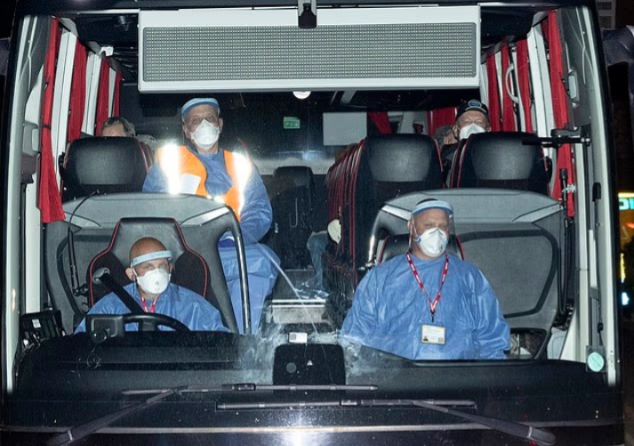
A hantavirus cruise ship cluster has triggered international monitoring after several passengers developed serious breathing illness during an Atlantic expedition. Health agencies say the wider public risk remains low, but the situation has drawn attention because confirmed cases were linked to Andes virus, a hantavirus type that can rarely spread between people in close-contact settings.
Cruise Ship Illness Under International Investigation
The World Health Organization said it was notified on May 2, 2026, about a cluster of severe respiratory illness aboard a Dutch-flagged cruise ship. The vessel had traveled from Ushuaia, Argentina, across the South Atlantic, with stops including Antarctica, South Georgia, Tristan da Cunha, Saint Helena, and Ascension Island.
As of May 8, WHO reported eight cases, including six laboratory-confirmed infections and two probable cases. Three passengers were reported to have passed away, while others were hospitalized in South Africa, the Netherlands, and Switzerland.
The ship was carrying passengers and crew from multiple countries, which is why health authorities in several regions began contact tracing. Officials have been checking people who left the vessel earlier and those who may have shared flights or close spaces with confirmed patients.
What Is Hantavirus and Why Is Andes Virus Different?
Hantavirus refers to a group of viruses usually linked to infected rodents. People can become exposed by breathing in tiny particles from contaminated rodent droppings, urine, or saliva, especially in enclosed or dusty areas.
The strain identified in this cruise-linked cluster is Andes virus. Health experts pay special attention to Andes virus because it is one of the few hantavirus types known to have limited person-to-person spread in certain close-contact situations.
That does not mean it spreads easily like flu or common respiratory viruses. WHO assessed the risk to the global population as low, while saying the risk for passengers and crew on the ship was moderate.
How Did the Cruise Ship Cluster Develop?
The exact source remains under investigation, but officials are reviewing travel history, possible wildlife exposure, and close-contact transmission on board. The cruise began in Argentina on April 1, 2026, and visited remote areas before the illness cluster was reported.
WHO said the first case may have been infected before boarding, possibly during earlier travel in Argentina or Chile. Later spread may have occurred on the vessel, although investigators are still examining the timeline.
The situation became more serious when several passengers developed severe symptoms. Some cases progressed to pneumonia and critical breathing complications, requiring medical evacuation and specialist hospital treatment.
Passengers Monitored Across Countries
Health authorities contacted passengers who had disembarked at earlier stops. People who shared flights with confirmed or suspected cases were also advised to monitor symptoms.
The CDC said it was working with partners to assess exposure risk among American passengers and arrange medical repatriation for U.S. citizens when needed.
Why Are Experts Watching for More Cases?
Experts are watching for more cases because hantavirus symptoms can appear days or weeks after exposure. The usual incubation period is around two weeks, but it may range from about seven days up to six weeks.
That delay means some people may feel well at first, then develop symptoms later after leaving the ship or returning home. This is why international contact tracing is important.
Officials have also looked into possible cases outside the ship. Some suspected contacts later tested negative, showing that not every illness linked to the travel route is necessarily hantavirus.
Health Agencies Say Public Risk Remains Low
Despite the serious nature of the cruise-linked cluster, health agencies have not described this as a broad public emergency. WHO’s latest assessment said the risk to the wider global population remains low.
The main concern is for people who were on the vessel, had close contact with confirmed cases, or shared specific travel routes. Authorities are using testing, isolation, monitoring, and contact tracing to reduce further risk.
For the general public, experts continue to emphasize practical prevention: avoid contact with rodents, clean contaminated spaces safely, and seek medical care if serious breathing symptoms appear after possible exposure.
Key Takeaways
- WHO reported eight cruise-linked hantavirus cases as of May 8, 2026.
- Six confirmed cases were identified as Andes virus.
- The wider public risk is considered low, while passenger and crew risk is moderate.
- Health officials are tracing passengers, crew, and close contacts across countries.
- Symptoms can appear later, so monitoring may continue for several weeks.
The coming weeks will show whether this remains a contained travel-linked cluster or whether more delayed cases appear among monitored contacts.