
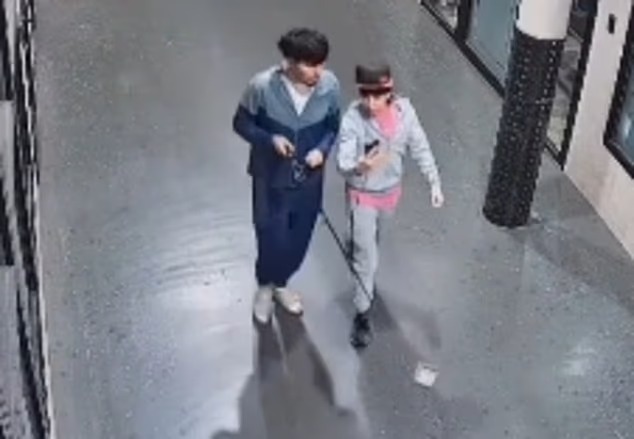
A Stamford Hill TikTok hate case has sparked anger in London after two men admitted targeting Jewish residents for social media content. The incident involved people being approached, filmed, and harassed in an area known for its large Jewish community, turning what prosecutors described as online content into a religiously aggravated public order offence.
Two Men Admit Religious Harassment Offence
Adam Bedoui, 20, and Abdelkader Amir Bousloub, 21, both from West Drayton, appeared at Thames Magistrates’ Court after the incident in north London. They admitted a religiously aggravated public order offence linked to videos filmed for TikTok.
Police said officers were called after reports that a group had been harassing members of the Jewish community around Clapton Common and Stamford Hill. Five men were arrested in Hackney, while three others were later released on bail as inquiries continued.
The Crown Prosecution Service said the case involved Jewish people being approached, harassed, and filmed. Authorities treated the matter as a hate crime rather than a harmless online prank.
Why Did the Stamford Hill Incident Cause Concern?
The Stamford Hill incident caused concern because the area is home to one of the UK’s most visible Jewish communities. Residents are often easily identifiable by traditional clothing, which can make targeted harassment especially alarming.
According to reports, the men had travelled to the area to create antisemitic social media content. Police and prosecutors said the behavior was not random street filming but targeted conduct aimed at people because of their faith.
Community safety volunteers from Shomrim, a Jewish neighborhood watch group, also responded to the incident. Their involvement highlighted how quickly local communities react when residents feel threatened or singled out in public spaces.
Social Media Stunts Can Become Real-World Harm
The case has raised fresh questions about how social media “challenges” can encourage harmful behavior offline. Content created for views can quickly cross the line when it targets people based on religion, race, or identity.
Police officials said the incident was a deliberate act designed to spread hate online. That message matters because viral platforms can reward shocking behavior with attention, even when the people being filmed experience fear or humiliation.
The court outcome also sends a warning that filming strangers for hateful content can have legal consequences. A video made for likes can become evidence in a criminal case.
Online Content Is Not a Legal Shield
Posting something on TikTok, Instagram, or any other platform does not protect a person from prosecution. If the content involves harassment, intimidation, or targeted abuse, police can investigate it as a public order or hate crime matter.
This case shows that authorities are increasingly treating online-linked incidents as serious when they affect real people in public places.
Police Response Comes Amid Wider Tensions
The Metropolitan Police said the arrests happened quickly after the incident was reported. Officers detained five people in Hackney, and two men were charged and convicted within a short period.
The case comes at a sensitive time for Jewish communities in London, with police reporting increased concern about antisemitic incidents. Authorities have also been under pressure to reassure communities that hate crimes will be investigated quickly and visibly.
Police leaders said they want the response to show that targeted religious harassment will not be tolerated. For residents, quick action can help restore confidence after a public incident that spreads online.
How the Community Reacted
Jewish community groups condemned the behavior and said people should be able to walk through their own neighborhood without being mocked, filmed, or targeted. Many online users also criticized the incident, arguing that social media platforms must do more to discourage harassment-based content.
Others pointed out that prank culture often becomes dangerous when creators chase attention without considering the people affected. In this case, the court treated the behavior as an offence, not entertainment.
The strong reaction shows how quickly local incidents can become national stories when videos are shared online.
What Happens Next?
Bedoui and Bousloub have admitted the offence, while police inquiries involving others continue. The remaining men released on bail may still face further action depending on the investigation.
The case is also likely to add pressure on platforms to remove hateful content faster and discourage videos that target minority communities. For London authorities, it is another reminder that online trends can create serious safety concerns on real streets.
Key Takeaways
- Two men admitted a religiously aggravated public order offence linked to TikTok videos.
- The incident targeted Jewish residents in the Stamford Hill and Clapton Common area.
- Police arrested five men, with three later released on bail.
- Authorities treated the case as a hate crime, not a prank.
- The incident has renewed concern about harmful social media content moving into public spaces.
As social media challenges become more extreme, this case shows how quickly online attention-seeking can turn into a serious legal matter.