
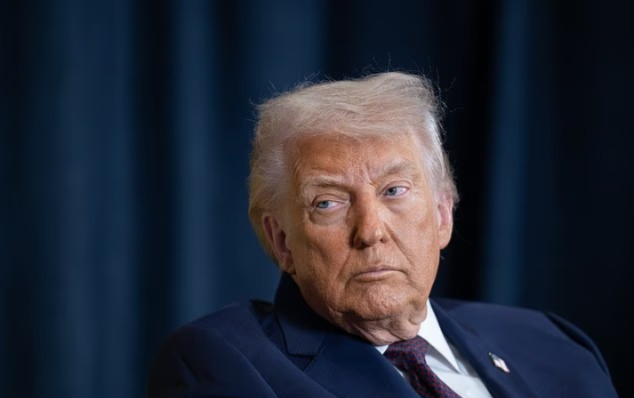
Donald Trump has rejected Iran’s latest peace offer, saying Tehran is “playing games” as hopes for a wider agreement appear to be fading. The U.S. president called Iran’s response “totally unacceptable” after Tehran pushed back against American demands and laid out its own conditions for ending the crisis.
Trump Says Iran’s Response Is Not Enough
Trump’s latest comments came after Iran responded to a U.S.-backed peace proposal delivered through mediators. Instead of accepting Washington’s terms, Tehran reportedly demanded major guarantees, including sanctions relief, compensation, and security commitments.
The disagreement has placed the fragile ceasefire under serious pressure. Trump said the situation was on “life support” and warned that stronger action could follow if Iran refuses to move closer to U.S. demands.
What Does Iran Want From the Peace Deal?
Iran is demanding an end to the wider regional conflict, a lifting of restrictions on its economy, and guarantees against future attacks. Tehran also wants its oil sales restored and has emphasized control over the Strait of Hormuz, one of the world’s most important energy routes.
Iranian officials argue that the U.S. proposal asks too much and would weaken the country’s sovereignty. Washington, however, says any agreement must address Iran’s nuclear program and regional activity.
Nuclear Program Remains the Biggest Obstacle
The biggest sticking point remains Iran’s nuclear program. Trump has insisted that any deal must include strict limits, while Iran has rejected terms it views as surrender.
This issue has made negotiations especially difficult. Even when both sides discuss peace, their core demands remain far apart.
U.S. Shows Strength as Talks Stall
As talks struggled, the Pentagon made an unusual public move by revealing the location of a U.S. Navy Ohio-class submarine docked in Gibraltar. The move was widely viewed as a signal of American strength during a tense moment.
The submarine disclosure came shortly after Trump rejected Iran’s offer, adding more pressure to an already sensitive situation.
Why the Strait of Hormuz Matters
The Strait of Hormuz is central to the crisis because a major share of global oil and gas shipping passes through it. Any disruption there can affect fuel prices, shipping routes, and global markets.
This is why the dispute is not only a political issue between Washington and Tehran. It also affects energy security, global trade, and regional stability.
Key Takeaways
- Trump rejected Iran’s latest peace offer as “totally unacceptable.”
- Iran is demanding sanctions relief, guarantees, and control over key regional issues.
- The nuclear program remains the biggest barrier to a deal.
- The U.S. has increased pressure with strong military messaging.
- The Strait of Hormuz remains a major concern for global energy markets.
The next few days could decide whether talks restart or tensions move into an even more dangerous phase.