
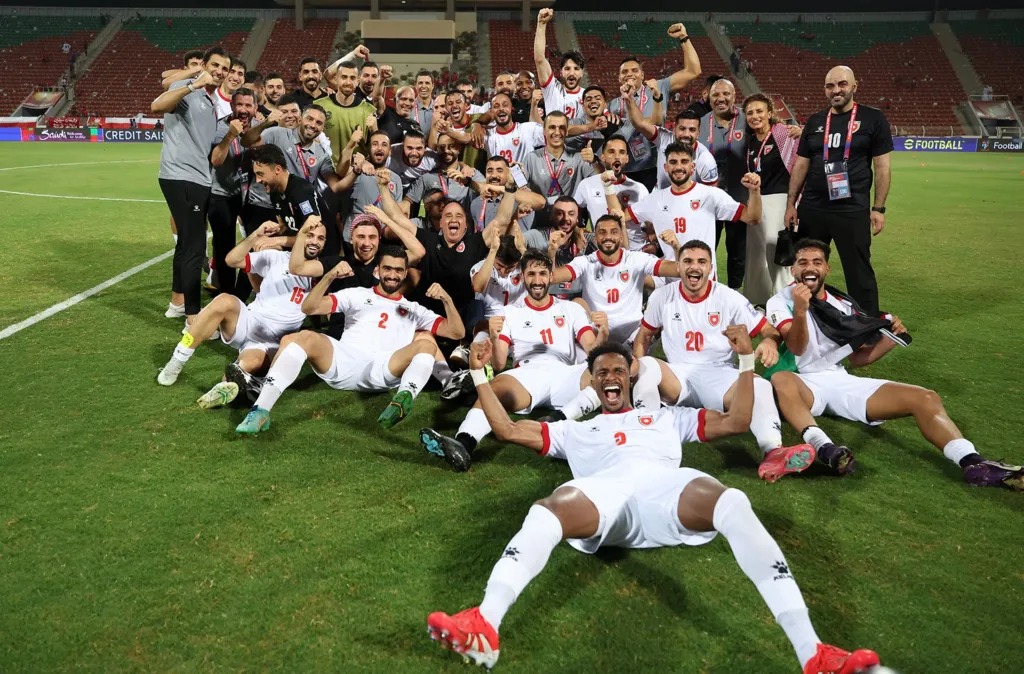
Excitement surrounding the upcoming FIFA World Cup is being overshadowed for many supporters by growing concerns over visa difficulties, travel restrictions, and immigration policies that could prevent thousands of fans from attending matches in person.
As preparations continue for one of the world’s biggest sporting events, supporters from several qualifying nations say they face significant obstacles when attempting to travel, leading to frustration and accusations that the tournament may not be equally accessible to all fans.
Football’s Biggest Celebration Faces Accessibility Questions
The FIFA World Cup has long been celebrated as a global event that brings together supporters from every corner of the world.
For many fans, attending matches is a once-in-a-lifetime opportunity to support their national teams, experience different cultures, and participate in one of sport’s most iconic gatherings.
However, for supporters from several participating nations, obtaining permission to travel has become a major challenge.
Dreams Put on Hold
Many supporters have already purchased match tickets, booked accommodations, and made travel arrangements only to discover that visa approvals may be difficult or uncertain.
Some fans report spending significant amounts of money on applications, travel appointments, and documentation without any guarantee of receiving permission to enter the host country.
The uncertainty has left many questioning whether they will be able to attend the tournament they have been anticipating for years.
Visa Policies Become a Major Talking Point
Immigration and border security policies have become central topics in discussions surrounding the tournament.
Supporters from some countries face stricter visa requirements, lengthy application procedures, and higher rejection rates compared to travelers from nations that benefit from visa-free entry programs.
Critics argue that these differences create an uneven experience for football supporters.
Different Rules for Different Countries
While citizens of dozens of countries can apply online through simplified travel authorization systems, many others must complete more complex processes.
Requirements often include:
- In-person interviews.
- Extensive documentation.
- Financial verification.
- Proof of return travel.
- Evidence of accommodation.
- Additional security screening.
These procedures can increase both the cost and uncertainty of attending international sporting events.
Fans Voice Frustration
Supporters from Africa, the Middle East, Asia, and other regions have expressed disappointment over the challenges they face.
Many argue that international football is meant to unite people regardless of nationality, wealth, or background.
Some fan organizations have even questioned whether countries with restrictive travel systems should host tournaments intended to celebrate global participation.
Concerns About Inclusion
For many supporters, the issue extends beyond football.
They believe that major international sporting events should be accessible to fans from all qualifying nations and that barriers to entry undermine the spirit of global competition.
Several supporters have described feeling excluded despite their teams earning places at the tournament through sporting achievement.
Financial Risks for Travelers
One of the biggest concerns involves the financial risk associated with applying for visas.
Fans often must decide whether to purchase expensive match tickets before knowing whether travel authorization will be approved.
Even when ticket resale systems exist, supporters may still lose money on travel arrangements, accommodation bookings, and application fees.
High Costs Add Pressure
Attending a World Cup already requires substantial financial investment.
Additional visa expenses can significantly increase overall costs, particularly for supporters traveling from developing countries where international travel represents a major personal expense.
For some families, a rejected visa can mean losing savings accumulated over many years.
Governments Emphasize Security
Officials responsible for border management argue that visa systems are necessary to maintain security and ensure compliance with immigration laws.
Authorities stress that every application must be evaluated individually and that screening procedures are designed to protect national interests while facilitating legitimate travel.
Governments also cite concerns regarding visa overstays and unauthorized immigration as reasons for maintaining rigorous review processes.
Balancing Security and Access
The challenge for policymakers is finding a balance between welcoming international visitors and enforcing immigration regulations.
Major sporting events attract hundreds of thousands of travelers, creating unique logistical and security demands that governments must manage carefully.
Impact on the World Cup Experience
Football experts note that passionate supporters contribute significantly to the atmosphere and cultural significance of the World Cup.
Fans bring energy, traditions, songs, and national pride that help transform the tournament into a global celebration.
Restrictions that limit attendance from certain countries could affect the overall experience both inside stadiums and throughout host cities.
More Than Just a Game
The World Cup is often viewed as a cultural event as much as a sporting competition.
Supporters from different nations interact, share experiences, and create lasting memories that extend beyond the matches themselves.
Many believe preserving this international spirit is essential to the tournament’s success.
Looking Ahead
As the tournament approaches, many supporters remain hopeful that solutions can be found to help more fans attend.
Sports organizations, immigration experts, and governments continue discussing ways to streamline travel procedures while maintaining security standards.
Whether those efforts will significantly improve access remains uncertain.
Key Takeaways
- Many World Cup supporters are facing visa challenges and travel restrictions.
- Fans from several qualifying countries report difficulties obtaining travel authorization.
- Visa requirements vary significantly depending on nationality.
- Supporters argue that international football should be accessible to all participating nations.
- Governments defend screening procedures as necessary for security and immigration management.
- The debate highlights broader tensions between border control policies and global sporting events.
As football’s biggest tournament approaches, the conversation surrounding visas and travel access continues to grow. For many supporters, the ability to cheer for their national team in person remains a dream—but one increasingly influenced by immigration policies as much as football itself.