
Iran and Israel have signaled a temporary halt in military strikes following renewed exchanges of fire, but both sides have warned that any future violations could trigger swift retaliation.
The fragile ceasefire comes after a brief escalation that raised concerns about a wider regional conflict and tested diplomatic efforts aimed at preventing a prolonged confrontation.
Ceasefire Faces Early Challenges
The latest tensions emerged after missile attacks and retaliatory strikes disrupted a period of relative calm established under a ceasefire agreement reached earlier this year.
Both countries accused each other of provoking the latest round of violence, fueling fears that the conflict could once again intensify across the region.
Despite the renewed hostilities, officials from both sides later indicated they were willing to pause military operations for the time being.
Temporary Halt to Military Operations
Iran announced that it would suspend further strikes, while Israeli officials later confirmed that military operations would also stop for now.
Although the immediate exchange of attacks has ended, leaders from both nations emphasized that the ceasefire remains conditional and could collapse if further violations occur.
Analysts caution that the situation remains highly fragile despite the reduction in active fighting.
Donald Trump Calls for Restraint
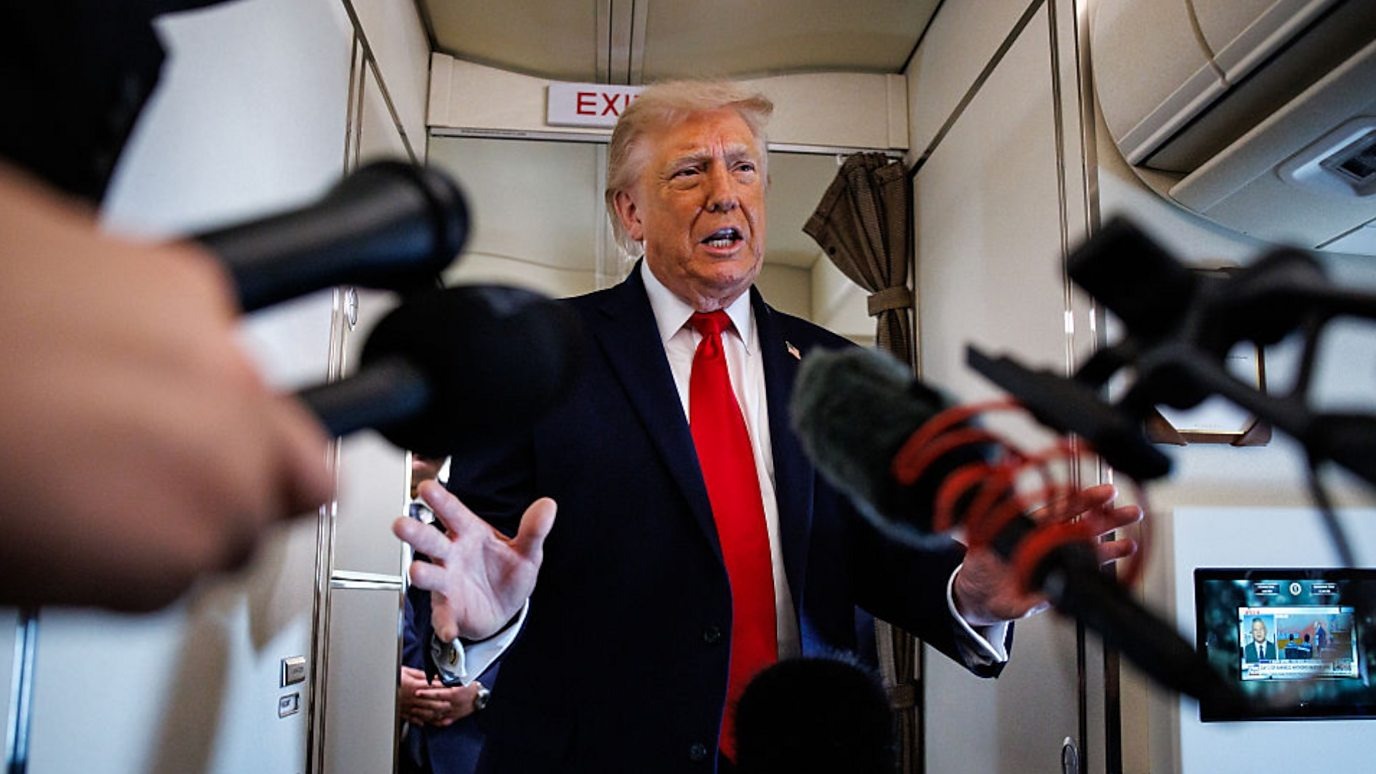
US President Donald Trump played a visible role in efforts to prevent further escalation.
According to statements made following conversations with Israeli Prime Minister Benjamin Netanyahu, Trump urged restraint and emphasized the importance of avoiding actions that could trigger a larger conflict.
The president indicated that diplomatic efforts remain underway and suggested that broader negotiations may still be possible.
Focus on De-escalation
Trump reportedly stressed the need for caution and encouraged leaders to avoid decisions that could undermine regional stability.
Observers note that Washington continues to balance support for its allies with efforts to prevent the conflict from expanding into a wider regional crisis.
The administration has repeatedly stated that reducing tensions remains a key objective.
Regional Security Concerns Continue
Although direct exchanges between Iran and Israel have paused, concerns remain about broader security risks across the Middle East.
Military activity involving allied groups and regional actors continues to complicate efforts to achieve lasting stability.
Recent developments in Lebanon have further heightened tensions, with warnings issued regarding potential military actions and ceasefire violations.
Lebanon Remains a Flashpoint
Israeli military officials cited security concerns and alleged violations by armed groups operating in southern Lebanon.
Iranian officials responded with warnings that any additional military action in the area could prompt a strong response.
The situation highlights how interconnected regional conflicts continue influencing broader security dynamics.
More Than 100 Days of Conflict
The confrontation between Iran and Israel has now lasted more than 100 days, making it one of the most significant periods of tension between the two countries in recent years.
Military exchanges, diplomatic disputes, and regional security concerns have all contributed to the prolonged crisis.
While temporary pauses in fighting have occurred, neither side has demonstrated a willingness to completely abandon its strategic objectives.
Risk of Wider Escalation
Security experts continue warning that even limited incidents could trigger broader confrontations if diplomatic efforts fail.
The involvement of regional allies, military organizations, and international powers increases the complexity of managing the conflict.
As a result, many governments are closely monitoring developments and encouraging dialogue.
Diplomatic Efforts Under Pressure
International efforts to maintain the ceasefire face growing challenges.
Diplomats continue working to reduce tensions while encouraging both sides to honor existing agreements and avoid actions that could destabilize the region further.
However, mutual distrust and competing strategic interests continue complicating negotiations.
Balancing Security and Stability
Leaders across the region face the difficult task of protecting national security interests while avoiding actions that could lead to a larger conflict.
This balance remains one of the biggest obstacles to achieving a durable peace.
Analysts suggest that continued communication between key international stakeholders may be essential in preventing future escalations.
Impact on Regional Politics
The ongoing tensions are influencing political calculations throughout the Middle East.
Governments, security agencies, and international organizations are assessing the potential consequences of continued instability, including economic disruptions, security risks, and diplomatic challenges.
The conflict has also become a significant issue in international discussions regarding regional security architecture.
What Happens Next?
While the current ceasefire remains in place, both Iran and Israel have made clear that their restraint is conditional.
Future incidents, military operations, or perceived violations could quickly reignite hostilities.
For now, diplomatic channels remain active as international leaders seek to preserve stability and prevent a return to sustained conflict.
Key Takeaways
- Iran and Israel have paused military strikes following a brief escalation.
- Both sides warned they may respond forcefully if the ceasefire is violated again.
- US President Donald Trump urged restraint and supported efforts to prevent wider conflict.
- Regional tensions remain elevated, particularly involving developments in Lebanon.
- The conflict has lasted more than 100 days and continues challenging diplomatic efforts.
- International observers remain concerned about the possibility of future escalation.
Although active hostilities have temporarily subsided, the situation remains highly sensitive. The coming weeks will likely determine whether the ceasefire evolves into a more stable arrangement or whether the region faces another period of heightened confrontation.