
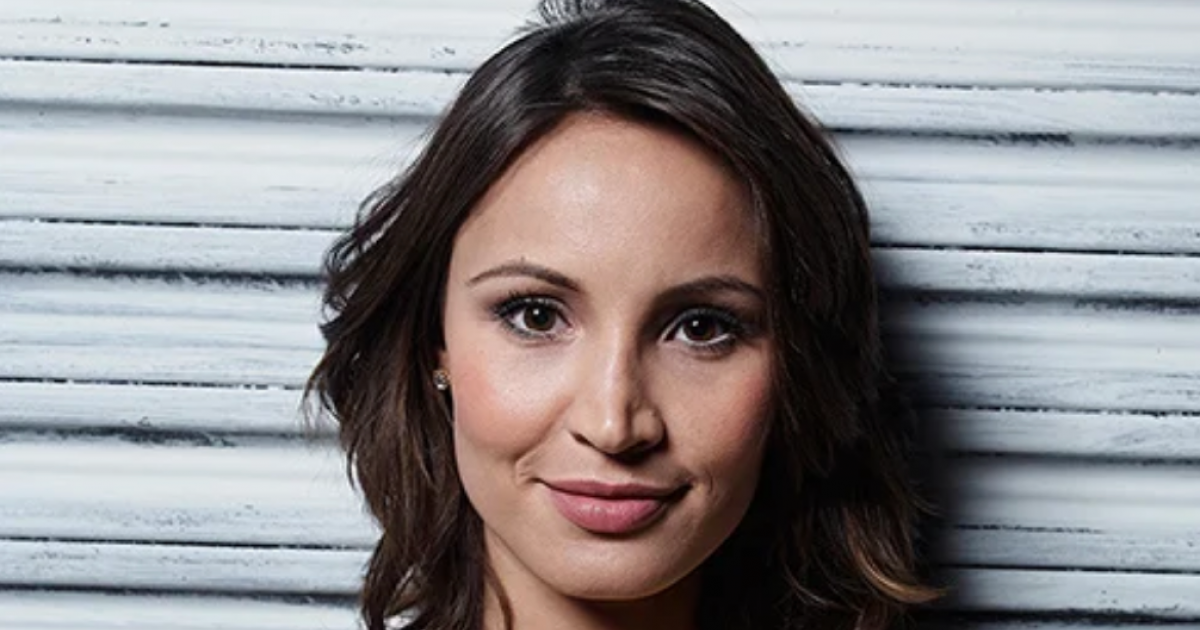
The Wine Project has captured global attention because it shows how quickly alcohol can change a person’s face, mood, and confidence in front of a camera. Brazilian photographer Marcos Alberti created the viral photo series by taking portraits of people when they arrived at his studio, then photographing them again after one, two, and three glasses of wine. The result is a striking visual timeline of stress fading, smiles growing, and personalities becoming more expressive as the evening continues.
Marcos Alberti’s Wine Project Started With One Famous Saying
Marcos Alberti’s Wine Project began with a simple idea inspired by a well-known saying about wine. The phrase suggests that the first glass is about food, the second is about love, and the third is about mayhem.
Alberti turned that idea into a portrait experiment. Instead of explaining how alcohol affects people, he showed it through facial expressions, posture, and body language.
The concept was intentionally simple. Participants were photographed against a plain background, with no dramatic props or distracting setup. The focus stayed completely on the person’s face.
Each subject was photographed four times. The first photo was taken when they arrived at the studio, often after a long day of work, traffic, and daily stress. The next three photos were taken after each glass of wine.
That simple structure made the project easy to understand. Viewers could immediately compare the first serious portrait with the later relaxed and playful versions.
The photos were not meant to be a medical study. They were created as an artistic social experiment, showing how people visually change in a friendly setting after drinking wine.
What Happens After One, Two, and Three Glasses of Wine?
After one glass of wine, many people in the project appeared slightly more relaxed. Their faces softened, their posture loosened, and their expressions became less guarded.
After two glasses, the change became easier to notice. Smiles became wider, eye contact looked more comfortable, and several participants seemed more confident in front of the camera.
By the third glass, the portraits often became playful. Some people laughed, made funny faces, winked, tilted their heads, or showed a side of themselves that was not visible in the first photo.
That gradual transformation is what made the Wine Project so popular. It showed a familiar social shift in a clear visual way, moving from workday seriousness to happy-hour openness.
The first photos often show people looking tired, tense, or reserved. The final photos show many of the same people looking lighter, warmer, and more expressive.
This does not mean alcohol improves someone’s personality. It simply shows how alcohol can lower inhibition and make people feel more relaxed in a social environment.
The project works because the difference is visible without needing much explanation. Anyone looking at the photos can understand the story almost immediately.
Why Did the Wine Project Go Viral Online?
The Wine Project went viral because it combines humor, human emotion, and visual transformation in one easy-to-share format. Before-and-after photos are naturally engaging, and this project added a social twist that many adults could recognize.
People connected with the images because they felt real. The participants were not heavily styled or posed like models. They looked like ordinary people slowly becoming more comfortable.
The series also captured the emotional contrast between daily stress and social relaxation. Many viewers could relate to arriving somewhere tired after work, then slowly opening up as conversation and laughter begin.
Another reason the project spread widely is that it avoids complicated explanation. The photos tell the story on their own. A person can scroll past and understand the entire idea in seconds.
Social media helped the project reach a wider audience. The clean layout, repeated structure, and funny expressions made it perfect for sharing across Facebook, Instagram, blogs, and lifestyle websites.
It also sparked conversation. Some people saw the photos as funny and lighthearted. Others saw them as a reminder of how quickly alcohol can affect behavior.
Both reactions helped keep the project alive online. A simple portrait series became a bigger discussion about alcohol, mood, confidence, and human expression.
How Does Alcohol Change Mood and Behavior?
Alcohol can change mood and behavior by affecting the brain, judgment, reaction time, and emotional control. Even small amounts can make some people feel more relaxed, talkative, or confident.
That effect is one reason the Wine Project looks so dramatic. The participants were not just changing their facial expressions for no reason. Their body language was likely influenced by comfort, social interaction, and the relaxing effect of wine.
Alcohol can lower inhibition, which means people may feel less self-conscious. In front of a camera, that can lead to bigger smiles, more playful expressions, and less concern about looking perfect.
However, lower inhibition can also create risks. The same effect that makes someone feel more relaxed can also affect decision-making, coordination, and awareness.
That is why the Wine Project should not be seen as proof that drinking is always positive. It shows a visible change, but it does not measure health effects or long-term consequences.
The project is most useful as a creative reflection of how alcohol can influence social behavior. It shows the charm and humor of the moment while also reminding viewers that alcohol has real effects on the body and mind.
A Photo Series, Not a Scientific Test
The Wine Project was an artistic project, not a controlled scientific experiment. The participants were photographed in a friendly studio setting, which could also influence how relaxed they became.
Conversation, music, mood, comfort with the photographer, and the social atmosphere may all have played a role in the final images.
Still, the visual pattern is powerful. The photos clearly show how people can appear more open and expressive as an evening becomes more relaxed.
The Responsible Message Behind the Photos
The responsible message behind the Wine Project is that alcohol may create visible social changes, but it should still be consumed carefully. The photo series is playful, but it also shows that wine can affect people faster than they may realize.
Three glasses of wine may not affect everyone the same way. Body size, tolerance, food intake, mood, medication, and drinking speed can all change how alcohol feels.
For one person, three glasses may create mild relaxation. For another, it may cause dizziness, poor judgment, or discomfort.
That difference is important because the project can look fun at first glance. The smiles and laughter are real, but so is the reminder that alcohol changes behavior.
Responsible drinking means knowing personal limits, eating properly, staying hydrated, and avoiding situations where impaired judgment could create danger.
The Wine Project does not shame drinking or promote excess. It simply shows the transformation that can happen when alcohol becomes part of a social moment.
That balance is why the series remains interesting. It is funny and warm, but it also encourages people to think about how quickly alcohol can influence expression, confidence, and behavior.
Why the Wine Project Still Matters Today
The Wine Project still matters because it captures a universal human moment in a simple visual form. People do not need to understand photography theory or alcohol science to understand what they are seeing.
The first image usually shows the mask people wear after a long day. The later images show laughter, looseness, and personality coming forward.
That contrast is what makes the series memorable. It is not only about wine. It is about stress, social connection, relaxation, and how people change when they feel more comfortable.
The project also remains relevant because society continues to discuss alcohol more openly. People are more aware of health risks, moderation, and the difference between casual drinking and harmful patterns.
In that sense, the Wine Project can be viewed in two ways. It is a funny photo series about people relaxing after wine, and it is also a visual reminder that alcohol has a real effect on the body.
That combination keeps the project interesting years after it first appeared. It is simple, relatable, and easy to understand, which is why it continues to resurface online.
Key Takeaways
- Marcos Alberti’s Wine Project photographed people before drinking and after one, two, and three glasses of wine.
- The portraits show visible changes in facial expression, posture, and confidence.
- Many participants appeared more relaxed and playful as the photo series progressed.
- The project was an artistic social experiment, not a scientific medical study.
- Alcohol can lower inhibition and affect mood, but it can also impact judgment, awareness, and safety.
The Wine Project remains popular because it turns one familiar social moment into a clear visual story about alcohol, expression, and human behavior.