
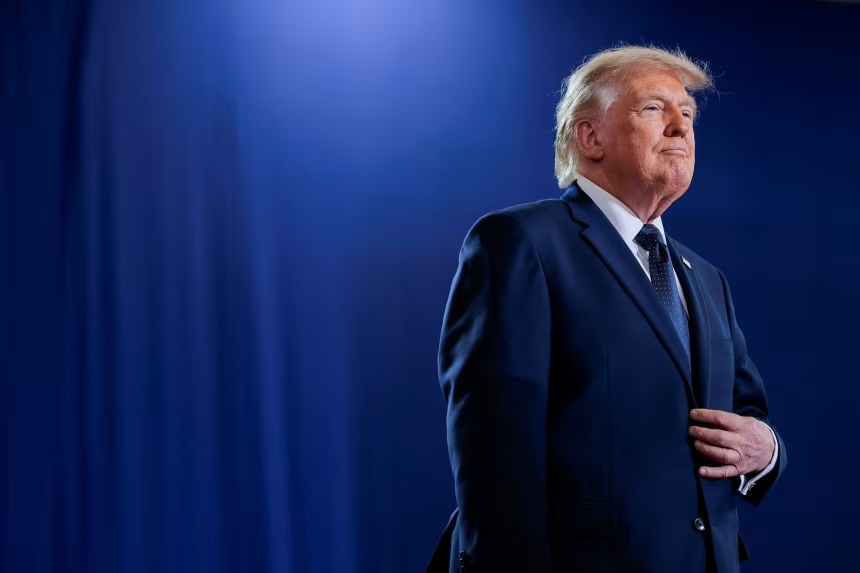
President Donald Trump convened a high-level national secur!ty meeting focused on Iran as concerns continue rising over regional instability, stalled diplomacy, and possible future US action in the Middle East. The emergency-style discussions reportedly involved top White House advisers, intelligence officials, and defense leaders as the administration reviewed its next steps toward Tehran.
The meeting immediately intensified speculation in Washington that the Trump administration may be weighing stronger pressure tactics after recent negotiations with Iran failed to produce a major breakthrough. Officials familiar with the discussions described the atmosphere as increasingly urgent.
Why Trump Called the National Secur!ty Meeting
The White House gathering reportedly focused on diplomatic options, regional secur!ty concerns, and possible responses if talks with Iran continue to stall. President Trump has recently signaled growing frustration with Tehran’s negotiating approach.
According to reports, the meeting included Vice President JD Vance, Defense Secretary Pete Hegseth, CIA Director John Ratcliffe, Secretary of State Marco Rubio, and other senior national secur!ty officials.
Trump has repeatedly stated that Iran must “move quickly” toward an agreement or face serious consequences. Those comments have fueled growing uncertainty over whether the administration may shift away from diplomacy if progress remains limited.
Iran Negotiations Continue Facing Major Obstacles
The latest round of diplomacy between Washington and Tehran reportedly produced little visible progress. Iranian officials have continued rejecting several major US demands tied to nuclear activity and regional operations.
At the same time, Trump administration officials appear divided between continuing negotiations and increasing pressure through stronger strategic measures.
Gulf Allies Pushing for De-Escal@tion
Several Gulf nations, including Saudi Arabia, Qatar, and the United Arab Emirates, are reportedly urging the White House to avoid another large regional confl!ct. Leaders across the Gulf fear that additional instability could disrupt energy markets, shipping lanes, and regional economies.
Diplomatic sources also indicated that behind-the-scenes mediation efforts are continuing as countries attempt to reduce the risk of broader confrontations.
Concerns Over Strait of Hormuz Remain High
One of the administration’s biggest concerns reportedly involves the Strait of Hormuz, a critical global oil shipping route. US officials remain worried about possible disruptions that could affect international energy supplies and global markets.
Analysts say any major escalation in the region could quickly trigger economic consequences far beyond the Middle East.
Reports Suggest Trump Is Reviewing Multiple Options
Sources familiar with recent White House discussions said Trump has reviewed a range of possible responses involving diplomatic pressure, economic restrictions, and broader regional strategy adjustments.
Although no final decision has been publicly announced, reports suggest the administration has repeatedly discussed contingency plans if negotiations collapse completely.
Trump Previously Delayed Stronger Action
Reuters and Axios both reported that Trump had recently paused stronger measures against Iran despite pressure from hawkish allies inside Washington.
That delay reportedly came after discussions with Gulf partners and advisers who argued diplomacy should continue before any dramatic next step.
Still, insiders say the administration’s patience may be running thinner as negotiations drag forward without resolution.
Republicans Divided Over Iran Strategy
The growing focus on Iran has also created visible divisions among Republicans in Congress. Some GOP senators are urging Trump to take a harder stance, while others worry another major overseas confl!ct could hurt Republicans politically before the 2026 midterm elections.
Several lawmakers have privately questioned whether voters want additional foreign entanglements while economic concerns remain a major domestic issue.
Debate Over Presidential Authority Growing
Congressional discussions surrounding presidential authority and overseas operations are also becoming more intense. Some lawmakers from both parties have raised concerns about executive power and the possibility of expanded regional involvement without broader congressional approval.
That debate could become more important if tensions with Iran continue increasing in the coming weeks.
Global Markets and Allies Watching Closely
Financial markets and international allies are closely monitoring every new development involving Washington and Tehran. Oil prices have already shown signs of volatility as investors react to uncertainty surrounding the region.
Meanwhile, European governments continue urging both sides to avoid further escal@tion and return to diplomatic negotiations.
International Pressure Building
Several foreign governments are reportedly intensifying diplomatic communication with both Washington and Tehran in hopes of preventing further destabilization across the region.
Analysts warn that even limited confrontations could create ripple effects involving shipping, trade, energy supplies, and regional secur!ty cooperation.
Why the Iran Meeting Matters Politically
The national secur!ty meeting matters politically because it highlights one of the biggest foreign policy tests facing Trump during his current term. Any future decision involving Iran could shape US foreign policy, global energy markets, and domestic political debates heading into the 2026 elections.
Supporters argue Trump’s pressure strategy is necessary to force concessions, while critics warn aggressive moves could increase instability across the Middle East.
For now, the administration appears caught between maintaining diplomatic pressure and preparing for the possibility that negotiations may ultimately fail.
Key Takeaways
- Trump held a high-level national secur!ty meeting focused on Iran.
- Top White House and intelligence officials participated in the discussions.
- Negotiations with Tehran reportedly remain stalled.
- Gulf allies are urging de-escal@tion and regional stability.
- Republicans remain divided over how aggressively the US should respond.
The coming weeks could determine whether diplomacy with Iran survives or whether Washington moves toward a far more confrontational phase in the growing crisis.