
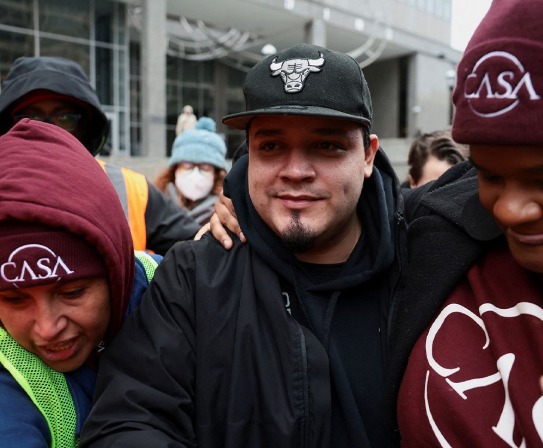
A federal judge has dismissed criminal charges against Kilmar Abrego Garcia in a major legal setback for the Trump administration’s immigration enforcement efforts. The ruling immediately sparked national debate over prosecutorial conduct, deportation policies, and the limits of executive power in politically sensitive immigration cases.
US District Judge Waverly Crenshaw ruled that the prosecution against Abrego Garcia showed signs of “vindictive” legal action and reflected what the court described as an abuse of prosecuting authority. The decision came after months of controversy surrounding Abrego Garcia’s deportation and later criminal indictment.
Why the Kilmar Abrego Garcia Case Became National News
The case gained national attention after Kilmar Abrego Garcia was deported to El Salvador in 2025 despite an earlier court order limiting his removal due to potential gang-related danger in the country. Officials later acknowledged that the deportation happened because of an administrative error.
After legal pressure and court intervention, Abrego Garcia was eventually returned to the United States. However, federal prosecutors later reopened an older investigation connected to a 2022 traffic stop involving alleged hum@n smuggling activity.
Defense attorneys argued the renewed prosecution was politically motivated and designed to justify earlier immigration actions that had already faced heavy criticism in court.
Judge Says Investigation Showed Signs of Political Retaliation
Judge Crenshaw’s ruling focused heavily on how and why the criminal case was revived. According to court filings, the judge concluded the government failed to overcome concerns that the prosecution was motivated by retaliation after Abrego Garcia challenged his deportation in court.
The ruling specifically referenced statements and actions from senior Justice Department officials that allegedly connected the investigation to political embarrassment surrounding the deportation controversy.
Court Criticizes Prosecutorial Conduct
In the ruling, the judge reportedly stated that the evidence reflected an “abuse of prosecuting power.” The court also questioned why authorities reopened a previously inactive investigation only after Abrego Garcia’s legal battle became nationally visible.
Legal analysts noted that findings of vindictive prosecution are relatively rare in federal court, making the decision especially significant.
Justice Department Plans Appeal
The Department of Justice strongly criticized the ruling and indicated plans to appeal the dismissal. Officials argued the case involved serious allegations and maintained that prosecutors acted appropriately.
The legal fight may continue despite the dismissal, particularly because immigration proceedings connected to Abrego Garcia are still unresolved.
What Were the Original Allegations Against Abrego Garcia?
Federal prosecutors accused Abrego Garcia of participating in hum@n smuggling activities tied to a 2022 Tennessee traffic stop. Authorities alleged he was transporting multiple undocumented migrants during the incident.
At the time of the stop, however, no immediate criminal charges were filed. The case only resurfaced later after the deportation controversy intensified nationally.
Supporters of Abrego Garcia argued the delayed prosecution raised serious questions about political motivation rather than standard law enforcement procedure.
How Immigration and Deportation Issues Shaped the Case
Immigration policy became central to the case because Abrego Garcia had previously received legal protection limiting deportation to El Salvador due to fears of gang violence. Court records showed immigration judges had recognized possible risks connected to his return.
The Trump administration later faced criticism after sending him to a high-profile prison facility in El Salvador despite those protections.
Deportation Controversy Intensified Public Attention
The case quickly became symbolic within the broader immigration debate in the United States. Immigration advocacy organizations described the deportation as a major due process failure, while administration supporters defended tougher immigration enforcement policies.
The controversy also increased scrutiny on how immigration cases intersect with federal criminal investigations.
What Happens Next in the Legal Battle?
Although the criminal case has now been dismissed, Abrego Garcia’s legal situation remains uncertain. Federal officials may still continue separate immigration proceedings or pursue deportation efforts through different legal channels.
Meanwhile, the Justice Department’s expected appeal could extend the dispute for months and potentially create another high-profile legal confrontation involving immigration enforcement powers.
The ruling may also influence future court battles involving claims of politically motivated prosecutions under highly publicized administrations.
Key Takeaways
- A federal judge dismissed criminal charges against Kilmar Abrego Garcia.
- The court described the prosecution as potentially vindictive and politically motivated.
- The case followed controversy over Abrego Garcia’s deportation to El Salvador.
- Federal prosecutors plan to appeal the dismissal ruling.
- Immigration proceedings connected to the case may still continue.
The decision adds another major chapter to the ongoing national debate over immigration enforcement, prosecutorial independence, and the role politics can play inside high-profile federal investigations.