
Agricultural and animal health officials are closely monitoring a newly confirmed case of New World screwworm near the southern border, a development that has renewed concerns about livestock protection and animal health across parts of the United States.
The discovery has prompted increased surveillance efforts as authorities work to prevent the parasite from spreading into areas where it could threaten cattle, wildlife, and other animals.
What Is the New World Screwworm?
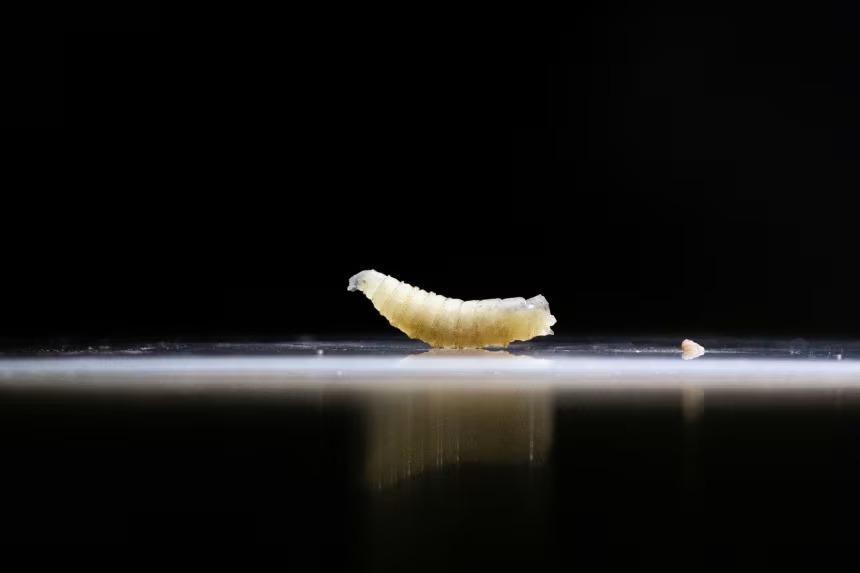
The New World screwworm is a parasitic fly whose larvae can cause serious harm to warm-blooded animals.
Unlike many other fly species that feed on dead tissue, screwworm larvae feed on living tissue. Female flies lay eggs in open wounds, and once the eggs hatch, the larvae burrow into the affected area, causing painful injuries that can worsen if left untreated.
The parasite can affect:
- Cattle
- Horses
- Sheep
- Goats
- Wildlife
- Pets
- In rare situations, humans
Because of the potential impact on animal health and agriculture, outbreaks are taken very seriously by veterinary and agricultural authorities.
Why This Case Is Significant
The United States successfully eliminated New World screwworm decades ago through extensive eradication efforts.
Since then, officials have maintained monitoring programs designed to detect any reappearance of the parasite before it can become established again. The newly identified case has therefore attracted significant attention from agricultural agencies and livestock producers.
Experts emphasize that a single case does not necessarily indicate widespread infestation, but it highlights the importance of ongoing surveillance and rapid response measures.
A Long History of Prevention
The original eradication campaign is often considered one of the most successful insect-control programs in history.
Scientists used sterile insect techniques, releasing large numbers of sterilized male flies to interrupt the breeding cycle and gradually eliminate the population from affected regions.
That strategy remains an important tool for controlling potential future outbreaks.
How Could Livestock Be Affected?
If screwworm populations were to spread, livestock producers could face significant challenges.
Animals with cuts, surgical wounds, branding marks, or other skin injuries can become vulnerable to infestation. Untreated cases may lead to severe tissue damage, infection, reduced productivity, and in extreme situations, death.
For ranchers and farmers, preventing infestations is essential for maintaining animal welfare and protecting agricultural operations.
Economic Impact on Agriculture
Beyond animal health concerns, outbreaks can carry economic consequences.
Additional inspections, veterinary treatments, movement restrictions, and control measures can increase costs for livestock producers. International trade considerations may also become relevant if larger outbreaks occur.
As a result, agricultural agencies prioritize rapid detection and containment whenever new cases are identified.
What Are Officials Doing?
Federal and state authorities have increased monitoring efforts following the confirmation.
Veterinarians, livestock owners, wildlife specialists, and border-area agricultural officials are being encouraged to remain alert for signs of infestation. Surveillance programs are designed to identify any additional cases quickly so appropriate control measures can be implemented.
Animal health experts stress that early detection is one of the most effective ways to prevent wider spread.
Can Humans Be Affected?
Human cases are uncommon but possible.
Individuals with untreated wounds can, in rare situations, become hosts for screwworm larvae. Medical professionals note that prompt wound care and hygiene significantly reduce the risk.
Most public health concerns remain focused on protecting livestock and wildlife populations, where the parasite poses the greatest threat.
Recognizing Symptoms
In animals, signs of infestation may include:
- Persistent wounds that do not heal properly.
- Unusual irritation around an injury.
- Tissue damage around affected areas.
- Signs of discomfort or distress.
Veterinarians recommend immediate evaluation if suspicious symptoms appear.
Why Ongoing Monitoring Matters
The confirmation of a new case serves as a reminder that animal health threats can reappear even after successful eradication campaigns.
Global movement of animals, changing environmental conditions, and cross-border wildlife activity all contribute to the need for continued vigilance. Experts say maintaining surveillance systems helps protect both agriculture and wildlife from potentially costly outbreaks.
For many agricultural regions, prevention remains far less expensive and disruptive than responding to a large-scale infestation.
Key Takeaways
- A new New World screwworm case has been confirmed, prompting increased monitoring efforts.
- The parasite’s larvae feed on living tissue and can seriously harm animals.
- Livestock, wildlife, pets, and, in rare cases, humans can be affected.
- The United States previously eliminated the parasite through extensive eradication programs.
- Authorities are emphasizing early detection and rapid response to prevent wider spread.
As investigations continue, animal health officials remain focused on ensuring that the isolated case does not develop into a larger agricultural challenge, while encouraging livestock owners and veterinarians to remain vigilant.