
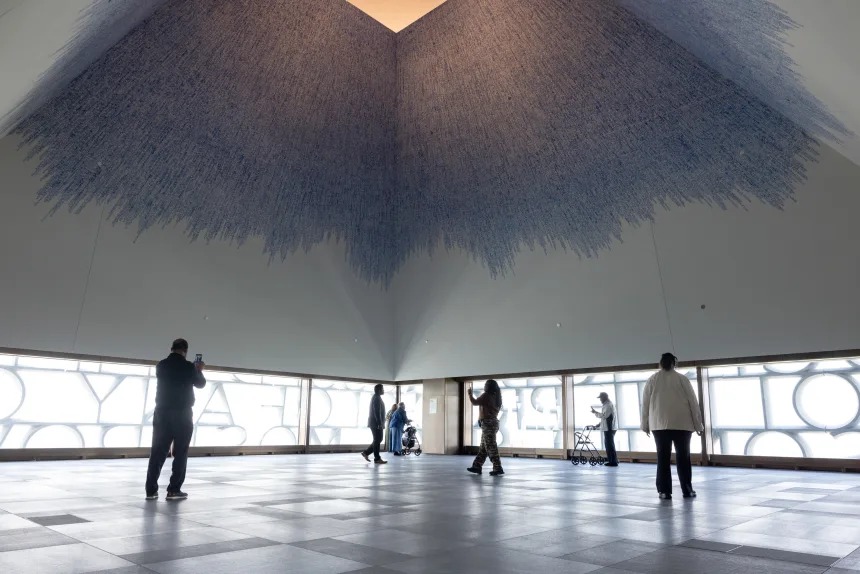
The highly anticipated Obama Presidential Center is offering the public a closer look at its design, exhibits, and mission as construction continues in Chicago. The project, inspired by former President Barack Obama and former First Lady Michelle Obama, aims to become more than a traditional presidential library by serving as a hub for education, civic engagement, and community development.
Located in Chicago’s South Side, the center represents one of the most significant presidential legacy projects undertaken in recent decades.
A New Kind of Presidential Center
Unlike many traditional presidential libraries, the Obama Presidential Center has been designed with a broader mission in mind.
Project leaders say the facility will focus not only on preserving historical records and artifacts from the Obama administration but also on encouraging civic participation, leadership development, and community involvement.
The goal is to create a living institution that connects history with future generations rather than functioning solely as a museum.
Visitors will be able to explore exhibits highlighting major events from Obama’s presidency while also engaging with programs focused on public service and social impact.
What Will Visitors Experience?
The center is expected to feature a variety of immersive exhibits, educational spaces, and interactive experiences.
According to project planners, visitors will gain insight into major moments from the Obama presidency, including policy initiatives, international diplomacy, economic developments, and cultural milestones.
The facility will also showcase personal stories, historical documents, multimedia presentations, and artifacts connected to Barack and Michelle Obama’s lives and careers.
Interactive Storytelling
Modern technology will play a central role throughout the center.
Interactive exhibits are expected to allow visitors to engage with historical events in new ways, providing a more personalized and dynamic museum experience. Designers have emphasized storytelling techniques that connect political history with individual experiences and broader social movements.
This approach reflects changing expectations for museums and educational institutions in the digital era.
Architecture Designed to Inspire
One of the most striking features of the project is its architecture.
The center’s tower structure has become an instantly recognizable part of the development. Architects designed the building to symbolize openness, progress, and civic engagement while creating a distinctive addition to Chicago’s skyline.
Large public spaces, landscaped grounds, and community-oriented design elements are intended to encourage gathering, learning, and reflection.
Connecting to the Surrounding Community
Project leaders have repeatedly emphasized the importance of integrating the center into the surrounding neighborhood.
In addition to museum spaces, the development includes public areas designed to support local residents and visitors. Supporters believe the project can contribute to economic growth, tourism, and educational opportunities throughout the area.
Community engagement has remained a central theme throughout the planning process.
Why Chicago Was Chosen
Chicago holds special significance in Barack Obama’s personal and political journey.
Before becoming president, Obama worked as a community organizer and later served as a state legislator in Illinois. The city played a major role in shaping his political career and remains closely associated with his rise to national leadership.
Locating the center in Chicago reflects that history and reinforces the connection between the Obama legacy and the communities where his public service began.
Preserving Presidential History
Like other presidential institutions, the center will help preserve records and historical materials related to a presidential administration.
Historians, researchers, students, and visitors will have opportunities to learn about key events from Obama’s two terms in office. Topics are expected to include healthcare reform, economic recovery efforts, climate initiatives, international relations, and social policy developments.
The institution aims to provide historical context while encouraging discussion about contemporary civic issues.
Education at the Core
Educational programming is expected to become one of the center’s defining features.
Workshops, leadership programs, youth initiatives, and public events are planned to help visitors develop skills related to civic engagement and community leadership.
Supporters argue that these programs distinguish the center from traditional presidential museums by focusing heavily on future impact rather than solely on historical preservation.
Economic and Cultural Impact
The Obama Presidential Center is expected to attract visitors from across the United States and around the world.
Tourism experts anticipate the project will generate significant economic activity through visitor spending, job creation, and related business development. Cultural institutions throughout Chicago may also benefit from increased tourism connected to the center.
Many observers believe the facility could become one of the city’s most important cultural destinations.
Key Takeaways
- The Obama Presidential Center is being developed on Chicago’s South Side.
- The project combines a presidential museum with civic engagement and educational initiatives.
- Visitors will experience interactive exhibits focused on the Obama presidency and public service.
- The architecture emphasizes community, openness, and civic participation.
- Leaders hope the center will become both a historical institution and a catalyst for future leadership development.
As construction progresses, the Obama Presidential Center continues to generate excitement among historians, educators, community leaders, and visitors eager to explore a new approach to preserving presidential history while inspiring future generations.