
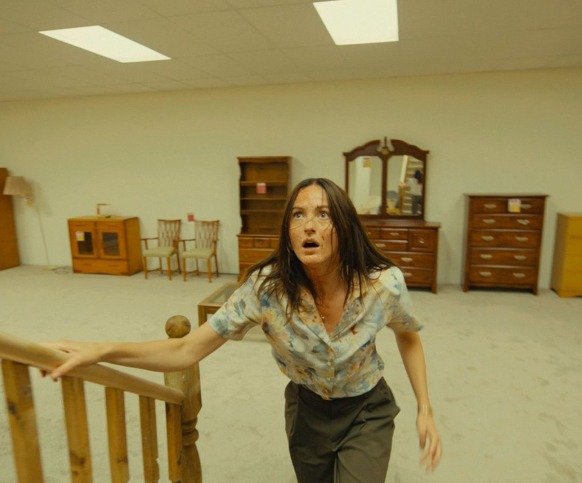
Hollywood is facing an unexpected shake-up, and it is being driven by Gen Z creators. Two low-budget horror films created by young YouTubers have recently outperformed major studio productions at the box office, proving that internet-born talent can attract audiences in ways traditional Hollywood increasingly struggles to match.
The success of films like Backrooms and Obsession is forcing studios, producers, and theater chains to rethink how movies are made, marketed, and discovered. What began as online content created by young filmmakers has evolved into a powerful new model that is drawing younger audiences back into theaters.
YouTube Creators Are Delivering Massive Box Office Success
The strongest evidence of this shift can be seen in the box office performance of two recent horror films. Backrooms, directed by 20-year-old YouTube creator Kane Parsons, earned approximately $81.5 million during its opening weekend despite being produced on a relatively modest budget of around $10 million.
At the same time, Obsession, directed by 26-year-old YouTuber Curry Barker, continued its impressive theatrical run after being produced for less than $1 million. The film has generated more than $100 million domestically and became one of the most profitable releases of the year.
What makes these results especially noteworthy is that both films surpassed or challenged much larger franchise releases, including Disney’s The Mandalorian and Grogu. Industry analysts say the success demonstrates that audiences are increasingly willing to support original stories when they feel authentic and culturally relevant.
Why Are Gen Z Audiences Choosing YouTuber-Made Films?
Young moviegoers appear to have a strong connection with creators who built their reputations online rather than through traditional Hollywood channels. These filmmakers often spend years developing direct relationships with audiences through YouTube, social media, and online communities.
As a result, viewers feel invested in their projects long before they reach theaters. Rather than relying heavily on expensive advertising campaigns, many of these films benefit from organic online buzz and word-of-mouth promotion.
Audience data highlights the trend. Reports indicate that roughly 86% of Backrooms viewers were under the age of 35, with more than half under 25. These numbers suggest that younger audiences are actively supporting creators they already know and trust from digital platforms.
How Internet Culture Became Hollywood’s New Talent Pipeline
The path from YouTube to major theatrical releases is becoming increasingly common. For years, online platforms were viewed as separate from traditional filmmaking. Today, studios are actively scouting creators who have already demonstrated storytelling ability and audience-building skills online.
From Viral Videos to Feature Films
Kane Parsons originally developed the Backrooms concept through a viral YouTube series inspired by an internet horror phenomenon. The popularity of those videos eventually attracted producers and investors who helped turn the idea into a theatrical release.
Similarly, Curry Barker built his filmmaking experience through online projects before making the leap to feature films. His success has become an example of how digital creators can transition into mainstream entertainment without following traditional Hollywood career paths.
Lower Budgets, Higher Returns
One reason studios are paying attention is financial efficiency. Many YouTube creators learn to produce compelling content using limited resources. Those skills often translate well to independent filmmaking, where profitability depends on controlling costs while attracting audiences.
Could This Change How Hollywood Makes Movies?
The recent success of creator-led films is encouraging studios to reconsider long-standing assumptions about what audiences want. For years, Hollywood relied heavily on sequels, reboots, and established franchises to reduce financial risk. However, younger viewers are increasingly responding to original concepts that emerge from internet culture.
Industry experts believe the future may involve more partnerships between major studios and digital creators. Instead of discovering talent through film schools or traditional industry networks, studios may increasingly look to YouTube, TikTok, and other online platforms for emerging filmmakers.
The horror genre has become a particularly effective testing ground for this trend because it allows creators to experiment with original ideas while working within manageable budgets. Several successful internet creators have already demonstrated that they can generate substantial box office returns without relying on established intellectual property.
What This Means for Movie Theaters and the Entertainment Industry
The rise of YouTuber-directed films arrives at an important moment for theaters. Since the pandemic, cinema operators have searched for ways to attract younger audiences who have become accustomed to streaming content at home.
The recent box office results suggest that the solution may not simply be bigger budgets or larger franchises. Instead, audiences appear willing to leave their homes when films feel like cultural events tied to online communities and shared experiences.
Movie theater executives have reported strong attendance for creator-driven releases, with many locations experiencing sold-out screenings and repeat viewings. These results indicate that digital creators may help bridge the gap between online entertainment and traditional cinema.
Key Takeaways
- Gen Z YouTubers are emerging as major forces in Hollywood filmmaking.
- Backrooms and Obsession have achieved remarkable box office success despite modest production budgets.
- Younger audiences are strongly supporting creators they already follow online.
- Studios are increasingly viewing YouTube and social media as talent discovery platforms.
- The trend could reshape how movies are produced, marketed, and distributed in the future.
As creator-led films continue attracting large audiences, Hollywood may be entering a new era where the next blockbuster director is discovered not in a studio lot, but on a YouTube channel.