
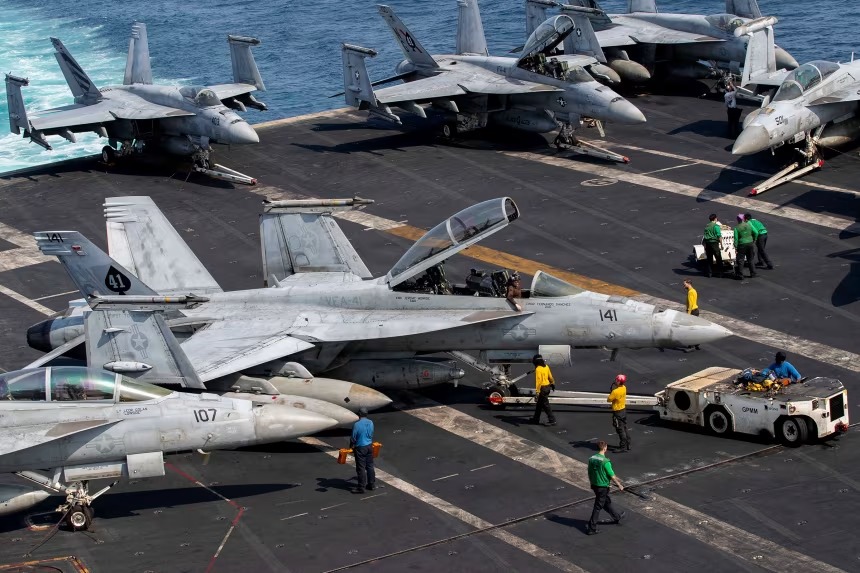
The US House of Representatives has approved a war powers resolution aimed at limiting President Donald Trump’s ability to continue military operations involving Iran without explicit approval from Congress. The vote marked one of the most significant bipartisan challenges to the administration’s foreign policy strategy and reignited a longstanding constitutional debate over who has the authority to commit American forces to extended conflicts.
Although the measure faces an uncertain future in the Senate and would likely encounter a presidential veto if it reached the White House, the vote reflects growing concern among lawmakers about congressional oversight of military action.
What Did the House Vote On?
The legislation is based on the War Powers Resolution, a law designed to ensure that Congress has a central role in decisions involving prolonged military engagements.
Lawmakers voted 215-208 in favor of directing the administration to end unauthorized military operations involving Iran unless Congress formally approves their continuation. Four Republicans joined Democrats in supporting the measure, creating a rare bipartisan coalition on a major national secur!ty issue.
Supporters argue that the Constitution grants Congress the authority to declare war, while the president serves as commander in chief for carrying out authorized military operations.
Why Is Congress Challenging the Administration?
The vote follows months of debate surrounding US military involvement in the region.
Critics of the administration argue that extended military operations require direct congressional authorization rather than relying solely on executive authority. They contend that lawmakers have a constitutional responsibility to review and approve major conflicts before they continue indefinitely.
Supporters of the administration counter that the president must retain flexibility to respond quickly to emerging threats and protect American interests abroad. They also argue that limiting executive authority could weaken the country’s negotiating position during periods of international tension.
A Longstanding Constitutional Debate
Disputes over war powers are not new.
For decades, presidents from both political parties have faced questions about the limits of executive authority in military matters. Congress enacted the War Powers Resolution in 1973 to strengthen legislative oversight after the Vietnam War, but its interpretation has remained controversial ever since.
How Significant Was the Bipartisan Support?
The resolution’s passage was notable because several Republican lawmakers broke with the administration to support it.
Political analysts say the vote reflects growing unease among some members of Congress regarding the costs and long-term implications of continued military engagement. Rising economic concerns and questions about strategy have contributed to the shift in support.
While the majority of Republicans remained aligned with the president, the crossover votes demonstrated that foreign policy issues can occasionally produce unexpected bipartisan alliances.
What Happens Next?
The House vote alone does not immediately alter US military operations.
The resolution must still navigate the Senate, where lawmakers have been considering similar efforts to increase congressional oversight. Even if both chambers ultimately approve matching legislation, the White House is expected to challenge any attempt to limit presidential authority.
Legal experts note that disputes involving war powers often raise complex constitutional questions that can extend beyond the political process itself.
Symbolic or Substantive?
Although the measure may face significant procedural obstacles, many observers believe the vote carries important political significance.
It sends a message that a growing number of lawmakers want a larger role in decisions involving military action and could influence future debates about foreign policy and executive power.
Why This Vote Matters
Beyond the immediate question of Iran policy, the resolution highlights broader issues about the balance of power between Congress and the presidency.
Questions surrounding military authority, national secur!ty, and constitutional responsibilities have shaped American politics for generations. The latest vote demonstrates that those debates remain highly relevant as lawmakers continue examining the limits of executive action.
The outcome may also influence future administrations, regardless of political party, by reinforcing congressional interest in maintaining oversight of major military decisions.
Key Takeaways
- The US House approved a resolution seeking to limit President Trump’s authority to continue military action involving Iran without congressional approval.
- Four Republicans joined Democrats in supporting the measure, creating a rare bipartisan rebuke.
- The debate centers on the constitutional balance between presidential and congressional war powers.
- The resolution still faces Senate consideration and potential White House opposition.
- The vote reflects growing congressional interest in exercising greater oversight over long-term military operations.
As lawmakers continue debating the limits of executive authority, the House vote may become another important chapter in the ongoing struggle over who decides when America goes to war.