
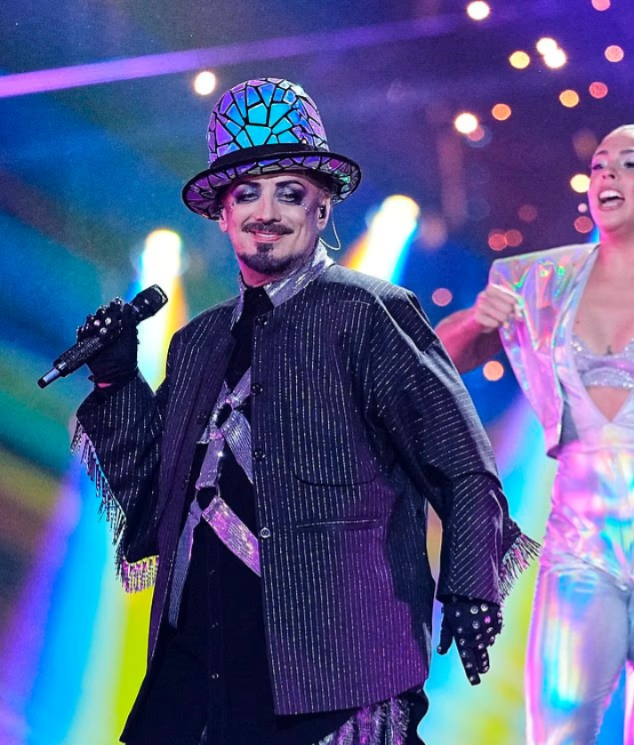
Eurovision 2026 viewers were left frustrated after the first live semi-final in Vienna was hit by complaints over sound issues. Fans watching from home said several performances sounded uneven, with some claiming vocals were too quiet, backing tracks were too loud, and certain acts sounded different from their rehearsal clips.
Viewers Complain During First Live Semi-Final
The Eurovision Song Contest opened its first live semi-final on Tuesday night in Vienna, but the music quickly became a talking point for the wrong reason. Instead of focusing only on performances, many viewers took to social media to question the broadcast audio.
Some fans said the singers appeared to be struggling to cut through the mix. Others complained that the sound balance made it difficult to judge performances properly, especially during big vocal moments.
For a contest built around live singing, audio quality is crucial. Even a small technical imbalance can affect how viewers experience a song from home.
Why Did Eurovision Fans Get So Frustrated?
Eurovision fans became frustrated because the semi-final is not just a show — it decides who moves closer to the grand final. If the sound mix feels unclear, viewers may worry that some artists are being judged unfairly.
Many online comments focused on the difference between rehearsal clips and the live broadcast. Some fans claimed certain acts sounded stronger earlier in the week, while others sounded less polished during the televised show.
Live television can be difficult, especially with dozens of delegations, fast staging changes, microphones, backing vocals, and arena sound. Still, viewers expect Eurovision to deliver a polished broadcast because it is one of the biggest music events in the world.
Vienna Contest Already Facing Extra Pressure
The Vienna-hosted contest has already been surrounded by wider tension this year. Reuters reported that the 2026 Eurovision Song Contest began under pressure linked to political disputes and country boycotts, with Israel’s participation becoming a major flashpoint.
According to Reuters, Spain, the Netherlands, Ireland, Iceland, and Slovenia boycotted the contest over Israel’s inclusion, reducing the number of entries to 35. That made the 2026 edition the smallest Eurovision field since 2003.
Against that tense backdrop, technical complaints added another layer of pressure for organizers. Fans expect Eurovision to handle political controversy, staging demands, and production quality all at once.
Audio Quality Matters More Than Ever
Sound problems can seriously shape public reaction during a live music competition. A singer may deliver a strong performance inside the arena, but if the broadcast mix fails to capture it clearly, viewers at home may hear something very different.
This matters because Eurovision relies heavily on public voting. Millions of viewers judge songs based on what reaches their televisions, laptops, and phones.
In past contests, fans have also debated crowd noise, audience reactions, and whether broadcast sound reflected the real arena atmosphere. Those arguments show how sensitive Eurovision audiences are to every technical detail.
Live Broadcasts Leave Little Room for Error
Eurovision is one of the most complex live entertainment productions in Europe. Each act brings its own lighting, camera plan, staging concept, choreography, and vocal setup.
That means sound engineers must balance many moving parts in seconds. Even so, when problems happen during a major live semi-final, fans notice immediately.
Organizers Face Calls for Improvement Before Final
After the first semi-final complaints, many viewers called for the sound mix to be improved before the next shows. The semi-finals and final are watched internationally, so any repeated issue can quickly become a global talking point.
Organizers will likely review the broadcast mix, microphone levels, and arena feed before the remaining live shows. Eurovision’s reputation depends not only on big performances, but also on giving every artist a fair and clear platform.
For fans, the hope is simple: the next broadcast should let the songs shine without technical distractions.
Key Takeaways
- Eurovision 2026 viewers complained about sound issues during the first live semi-final.
- Fans said some vocals sounded too quiet or uneven on the broadcast.
- The Vienna contest is already facing wider pressure from political disputes and boycotts.
- Sound quality is especially important because public voting depends on the home broadcast.
- Organizers may face pressure to improve the mix before the next live shows.
With more Eurovision shows still ahead, fans will be listening closely to see whether the sound problems are fixed before the final.