
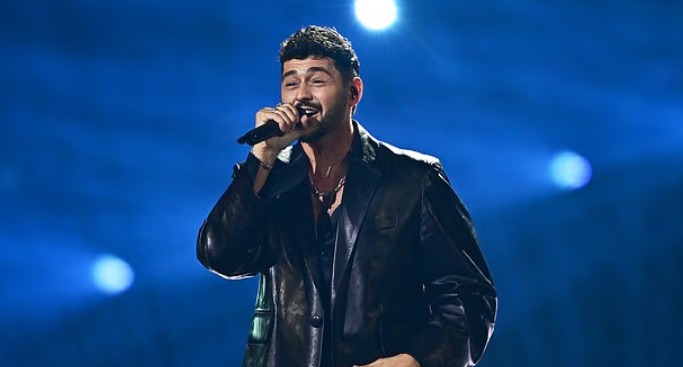
Eurovision 2026 viewers were left frustrated after the first live semi-final in Vienna was hit by widespread complaints about sound quality. Fans watching from home said several performances sounded unbalanced, with vocals appearing too quiet, backing tracks overpowering singers, and the overall broadcast mix distracting from the songs.
Viewers Complain During First Eurovision Semi-Final
The first Eurovision 2026 semi-final aired live from Vienna on Tuesday night, but many fans quickly turned their attention to technical issues instead of the performances. Social media filled with complaints from viewers who said the sound mix made it difficult to properly judge the acts.
Some viewers claimed lead vocals were buried under loud instrumentals. Others said certain performances sounded muffled or uneven compared with rehearsal clips and preview videos.
For a contest built around live singing, broadcast audio is one of the most important parts of the show. Even if a singer performs well inside the arena, viewers at home can get a very different experience if the mix is not clear.
Why Did Eurovision Fans React So Strongly?
Eurovision fans reacted strongly because the semi-finals decide which countries move forward to the grand final. If the sound is unclear, viewers may feel that some performers are being judged unfairly.
The frustration was especially noticeable because Eurovision is one of the world’s biggest live music events. Fans expect a polished production, sharp camera work, strong staging, and clean audio.
Live broadcasts are never simple, but Eurovision involves dozens of delegations, different staging designs, fast set changes, microphones, backing vocals, lighting cues, and arena crowd noise. That makes the technical challenge huge, but also raises expectations even higher.
BBC Broadcast Also Faced Awkward Audio Moment
The UK broadcast reportedly faced another awkward moment when hosts Rylan Clark and Angela Scanlon had to apologize after unexpected bad language was heard during the live show. The issue was linked to audio coming from the Austrian broadcast feed after Poland’s performance.
The moment added to the wider complaints about sound and broadcast control during the semi-final. While live television can produce surprises, viewers were already focused on the audio problems, which made the incident stand out even more.
Many fans said they were confused by what had happened, while others joked online that Eurovision had become chaotic before the final had even arrived.
Vienna Contest Already Under Heavy Pressure
This year’s Eurovision is already facing extra attention because of political tension and broadcaster boycotts. Reports say several countries, including Ireland, Spain, the Netherlands, Slovenia, and Iceland, stayed away from the 2026 contest over Israel’s participation.
That wider controversy has made the Vienna event more sensitive than usual. With fewer participating countries and a charged atmosphere around the show, technical problems gave critics even more reason to question the production.
The first semi-final was therefore not just a music broadcast. It became a test of whether organizers could keep the focus on performances despite political pressure, viewer complaints, and live production challenges.
Sound Quality Can Change the Contest
Sound quality matters because Eurovision results depend heavily on how songs are heard at home. Millions of viewers make voting decisions based on the broadcast version, not the arena experience.
If vocals sound weak or background music feels too loud, an artist may appear less impressive than they actually are. This can affect audience reaction, social media momentum, and public voting.
That is why fans often discuss audio mixing so intensely. For Eurovision supporters, poor sound is not just a technical issue — it can influence the fairness of the competition.
Organizers Face Calls to Fix Issues Before Final
After the complaints, many viewers urged producers to improve the sound before the next live shows. Fans want clearer vocals, more balanced backing tracks, and a smoother broadcast feed before the grand final.
Eurovision organizers are likely to review the audio mix, microphone levels, and broadcast feed before the remaining shows. With the final still ahead, there is time to correct the problems and restore confidence among viewers.
For the performers, clean sound is essential. They spend months preparing for a few minutes on stage, and the broadcast must give each act a fair chance to connect with the audience.
Key Takeaways
- Eurovision 2026 viewers complained about sound issues during the first live semi-final.
- Fans said some vocals sounded too quiet or overpowered by backing tracks.
- UK hosts also apologized after unexpected bad language was heard on the broadcast.
- The Vienna contest is already facing pressure because of political boycotts.
- Viewers are calling for improved sound before the grand final.
With the Eurovision final still ahead, fans will be listening closely to see whether the sound problems are fixed in time.