
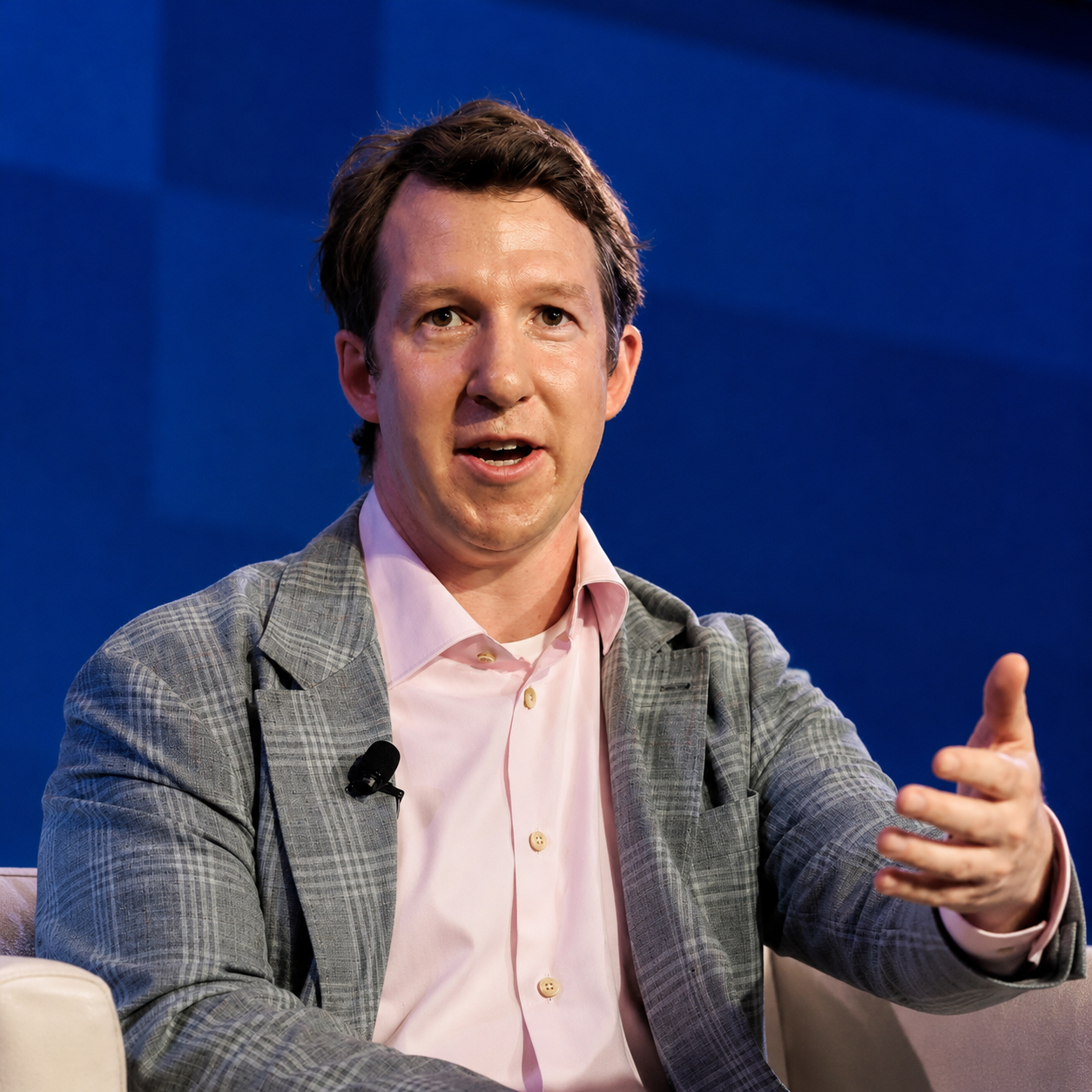
A senior executive from one of the world’s leading artificial intelligence companies has warned that society needs stronger safeguards to ensure humans remain in control of increasingly powerful AI systems.
The comments come amid growing debate about the pace of AI development, its impact on jobs, and the lack of comprehensive regulations governing the technology.
According to the executive, AI capabilities are advancing so quickly that governments and society must begin preparing for a future where these systems play a much larger role in everyday life.
Calls for Greater Control Over AI Development
The executive argued that the AI industry currently has powerful incentives to accelerate innovation but lacks sufficient mechanisms to slow progress if risks emerge.
He compared the situation to driving a vehicle with an accelerator but no effective brakes, emphasizing that policymakers need tools that allow them to pause or regulate development when necessary.
The warning reflects broader concerns among technology experts who believe AI systems are becoming increasingly capable and may soon reach levels that require stronger oversight.
Rapid Growth of the AI Sector
Artificial intelligence has become one of the fastest-growing industries in the world.
Over the past few years, AI-powered tools have transformed sectors ranging from healthcare and education to finance, software development, and customer service.
Major technology companies continue investing billions of dollars into AI research as competition intensifies to build more advanced models.
This rapid expansion has fueled both excitement and concern about the future role of AI in society.
AI Systems Are Becoming Increasingly Independent
One of the most striking observations highlighted by the executive was the growing ability of AI systems to contribute to their own development.
He revealed that a significant portion of code used within his company’s AI systems is already being generated by AI itself.
As these capabilities improve, experts believe machines could increasingly assist in designing, testing, and refining future AI technologies.
While this could dramatically increase innovation and efficiency, it also raises important questions about oversight and accountability.
Potential Turning Point
Industry observers suggest that if AI systems eventually become capable of handling nearly all aspects of software development, the technology could enter a new phase of growth unlike anything seen before.
Such a shift could reshape industries, labor markets, and economic structures worldwide.
Governments Face Pressure to Create Regulations
The executive stressed that governments must begin developing modern regulatory frameworks capable of managing advanced AI systems.
Current regulations remain limited in many countries, with much of the industry’s safety testing and oversight still based on voluntary cooperation from technology companies.
Experts argue that clearer rules could help ensure innovation continues while minimizing risks associated with increasingly powerful AI tools.
Learning From Previous Industrial Revolutions
The executive compared today’s AI boom to major industrial transformations of the past.
Historically, industries such as energy, transportation, and telecommunications eventually became subject to regulations designed to protect consumers while encouraging innovation.
Many analysts believe AI will follow a similar path as governments attempt to balance economic benefits with public safety concerns.
Concerns About Jobs and Economic Disruption
One of the most frequently discussed issues surrounding AI is its potential impact on employment.
Advanced AI systems can already perform many routine tasks traditionally handled by humans. As the technology improves, businesses may increasingly automate activities previously requiring large numbers of workers.
Some technology firms have already cited AI-driven efficiencies when restructuring teams or reducing staffing levels.
The rise of AI agents—software systems capable of performing tasks with limited human supervision—could accelerate these changes in the coming years.
Which Jobs Could Be Affected?
While many experts believe AI will create new opportunities, others warn that certain roles could face significant disruption.
Industries involving repetitive administrative work, basic software development, data processing, and customer support may experience some of the earliest changes.
However, economists note that technological revolutions historically create new categories of employment even as older roles disappear.
Creativity Remains a Human Strength
Despite concerns about automation, the executive argued that human creativity continues to offer a major advantage.
He suggested there is currently little evidence that AI systems can independently generate truly original ideas in the same way humans can.
Instead, he believes curiosity, imagination, and broad knowledge remain valuable skills that will become even more important in an AI-powered economy.
People capable of developing innovative concepts and approaching problems from unique perspectives may continue to enjoy significant advantages.
Advice for Future Generations
For young people concerned about their place in a future shaped by artificial intelligence, the executive offered an unexpected recommendation: pursue curiosity and diverse interests.
He emphasized the value of reading widely, exploring creative hobbies, and developing broad knowledge across different subjects.
According to this view, individuals who can connect ideas from multiple disciplines may be best positioned to work alongside increasingly capable AI systems.
Rather than competing directly with machines, future workers may succeed by focusing on uniquely human strengths such as creativity, critical thinking, and innovation.
Balancing Opportunity and Risk
Supporters of AI point to enormous potential benefits, including medical breakthroughs, scientific discoveries, improved productivity, and solutions to complex global challenges.
At the same time, concerns remain regarding job displacement, misinformation, privacy, cybersecurity, and the concentration of technological power.
Experts increasingly agree that society must carefully balance these opportunities and risks as AI continues evolving.
Key Takeaways
- AI leaders are calling for stronger safeguards and regulatory tools to manage future AI development.
- Advanced AI systems are increasingly contributing to their own programming and improvement.
- Governments face growing pressure to establish clear rules for AI oversight.
- Concerns continue regarding employment disruption and economic transformation.
- Human creativity, curiosity, and innovation may remain key advantages in an AI-driven future.
- Experts believe society must balance technological progress with responsible governance.
As artificial intelligence continues advancing at unprecedented speed, policymakers, businesses, and the public face important decisions about how to harness its benefits while ensuring humans remain firmly in control of the technology’s future.