
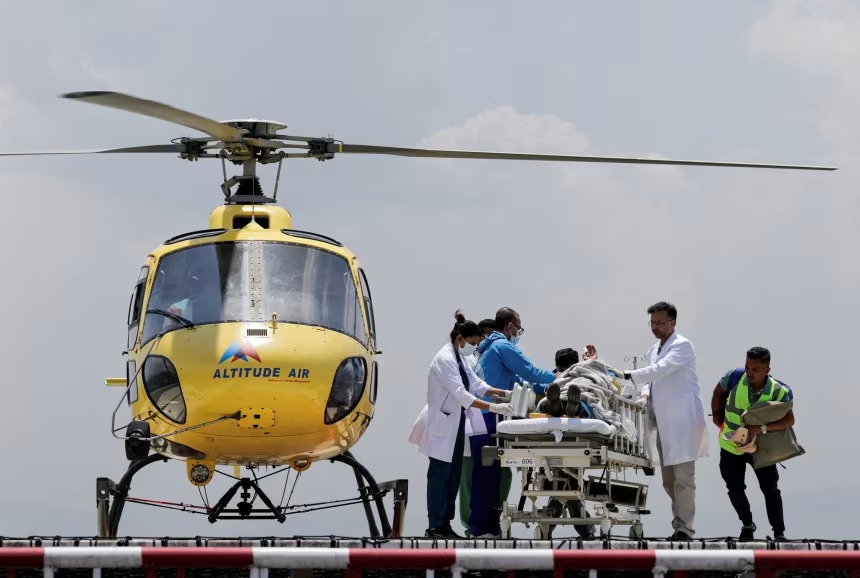
A remarkable high-altitude rescue on Mount Everest is drawing international attention after an experienced Sherpa guide helped save a climber in one of the mountain’s most dangerous regions.
The operation has renewed focus on the extraordinary role Sherpas play during Everest expeditions and the life-threatening challenges climbers face in the extreme environment near the summit.
Rescue Takes Place in Everest’s “Death Zone”
The rescue reportedly occurred in the area above 8,000 meters (26,247 feet), commonly known among mountaineers as the “Death Zone.”
At these altitudes, oxygen levels are significantly lower than at sea level, making even basic physical activity extremely difficult. Climbers can quickly experience exhaustion, confusion, altitude sickness, and other serious medical complications.
Rescue operations in this region are particularly challenging because helicopters cannot typically operate at such extreme heights, leaving climbers dependent on teammates, guides, and Sherpas for assistance.
Sherpa’s Quick Action Proves Critical
According to reports, veteran Sherpa guide Dawa Sherpa responded after discovering a climber in distress during the ascent.
Recognizing the seriousness of the situation, he worked to stabilize the individual and help bring them to a safer location where further assistance could be provided.
Mountain rescue experts note that such operations require extraordinary physical endurance, technical climbing skills, and rapid decision-making under some of the harshest conditions on Earth.
A Race Against Time
In the Death Zone, every minute can be critical.
Prolonged exposure to extreme altitude increases the risk of severe medical emergencies, including hypoxia, frostbite, and life-threatening altitude-related illnesses.
Rescuers often face the difficult task of helping another climber while also protecting their own safety in an environment where conditions can deteriorate rapidly.
Why Sherpas Are Essential to Everest Expeditions
Sherpas have long been central to Himalayan mountaineering.
Many work as guides, route setters, logistics specialists, and rescue personnel, helping climbers navigate dangerous terrain and survive in high-altitude conditions.
Their experience and knowledge of the mountains make them indispensable to commercial Everest expeditions.
Over the decades, Sherpas have been credited with countless rescues that might otherwise have ended in tragedy.
Unsung Heroes of High-Altitude Climbing
Although summit achievements often receive the most attention, many climbers acknowledge that successful Everest expeditions depend heavily on the expertise and support of Sherpa teams.
Their responsibilities frequently include:
- Carrying equipment and supplies.
- Establishing climbing routes.
- Installing safety ropes.
- Assisting injured climbers.
- Coordinating emergency responses.
These contributions are widely recognized throughout the mountaineering community.
Everest’s Growing Popularity
The rescue comes during another busy climbing season on Mount Everest.
Advances in equipment, forecasting technology, and expedition logistics have made the mountain more accessible than in previous decades. As a result, larger numbers of climbers attempt the summit each year.
While improved support systems have increased success rates, the mountain remains extremely dangerous.
Harsh weather, avalanches, altitude sickness, and overcrowding can all contribute to emergencies requiring rescue assistance.
Challenges of High-Altitude Rescue
Rescuing someone near Everest’s summit is vastly different from most mountain rescue operations.
The thin air limits physical performance, communication can be difficult, and weather conditions may change rapidly. Even highly trained rescuers face considerable personal risk when assisting climbers at such elevations.
Because of these factors, many experts consider Everest rescues among the most demanding emergency operations in the world.
Technology Has Limits
Although modern climbing equipment has improved safety, technology cannot eliminate the dangers of extreme altitude.
Experienced guides continue emphasizing careful preparation, proper acclimatization, and responsible decision-making as essential factors in reducing risk on the mountain.
Why This Rescue Matters
The incident serves as a reminder that even well-prepared climbers can encounter serious difficulties on Everest.
It also highlights the dedication and courage of Sherpas who frequently place themselves in danger to assist others. Their role extends far beyond logistical support and often includes life-saving interventions under extraordinarily difficult conditions.
For many observers, the rescue underscores both the allure and the risks associated with attempting the world’s highest peak.
Key Takeaways
- A veteran Sherpa helped rescue a climber in distress on Mount Everest.
- The operation occurred in the high-altitude “Death Zone” above 8,000 meters.
- Sherpas play a critical role in guiding climbers and conducting rescue efforts.
- High-altitude rescues remain among the most challenging emergency operations in the world.
- The incident highlights both the dangers of Everest and the expertise required to navigate them safely.
As climbers continue arriving from around the world to pursue Everest’s summit, stories like this serve as powerful reminders of the skill, courage, and teamwork required to survive on the highest mountain on Earth.