
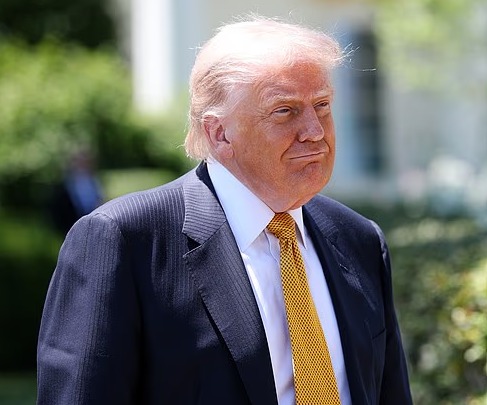
Former President Donald Trump has issued a strong warning to Iran as diplomatic efforts surrounding ongoing Middle East tensions continue to struggle. The latest comments came after reports suggested negotiations aimed at reducing regional conflict had slowed, increasing concerns about possible escalation involving the United States, Iran, and key allies in the region.
Trump’s statement quickly drew global attention after he posted that “the clock is ticking” for Iran to move forward with a peace agreement. The remarks arrived during a period of heightened uncertainty involving ceasefire discussions, regional security concerns, and ongoing disagreements over Iran’s nuclear program.
Why Tensions Between the US and Iran Are Rising Again
Relations between Washington and Tehran have remained strained for months as negotiations connected to regional security and nuclear restrictions continue facing obstacles.
Reports indicate that major disagreements still exist regarding sanctions, uranium enrichment, military activity in the region, and future security guarantees. Iranian officials reportedly want broader assurances before agreeing to additional conditions proposed during negotiations.
At the same time, US officials have continued pressuring Iran to move more quickly toward a diplomatic agreement aimed at reducing military risks across the Middle East.
Trump’s Latest Warning to Iran
In a social media message that quickly spread online, Trump reportedly warned that Iran needed to act “fast” or face severe consequences. According to multiple reports, he suggested there “won’t be anything left” if negotiations completely collapse.
The comments came as reports emerged that Trump planned meetings with national security advisers to discuss possible next steps involving the region.
Concerns About Regional Stability Continue Growing
The situation has also increased fears about broader instability across the Middle East. Officials in neighboring countries are closely monitoring developments because any escalation could affect energy markets, shipping routes, and regional security partnerships.
The Strait of Hormuz remains a major point of concern because it serves as one of the world’s most important oil transportation routes.
What Is Causing the Current Deadlock in Negotiations?
Peace discussions reportedly slowed after disagreements over several major issues connected to Iran’s nuclear activities and military policies.
According to reports, US negotiators want stronger restrictions connected to uranium enrichment and missile development, while Iranian officials are reportedly demanding sanctions relief and broader guarantees before accepting additional conditions.
Iran’s Reported Position
Iranian representatives have reportedly argued that previous proposals did not include enough concessions from Washington. Some Iranian media outlets also claimed recent US responses failed to provide meaningful progress toward a long-term agreement.
Officials in Tehran have continued insisting that future negotiations must include security protections and economic relief measures.
International Mediation Efforts Continue
Pakistan has reportedly played a role in helping communicate revised proposals between Iran and the United States as diplomatic channels remain open.
Despite the ongoing tensions, several international governments continue encouraging both sides to avoid further escalation and return to negotiations.
Why Global Markets Are Watching the Situation Closely
The growing uncertainty surrounding Iran has already affected global financial markets and energy prices.
Oil Supply Concerns Remain Important
Analysts say any disruption involving the Strait of Hormuz could impact worldwide oil supplies because a large percentage of global energy shipments move through the area each day.
Investors and governments are therefore paying close attention to developments involving Iran, the United States, Israel, and Gulf nations.
Military Activity Raises International Attention
Recent reports involving drone activity, regional security alerts, and military positioning have further increased concerns about stability in the region. Some governments have reportedly increased monitoring efforts around key infrastructure sites and shipping routes.
Experts warn that even limited confrontations could create broader economic uncertainty worldwide.
Could Diplomacy Still Prevent Further Escalation?
Despite the sharp public statements, analysts say diplomatic efforts have not completely ended.
Several reports indicate that negotiations are still technically ongoing, even though progress has slowed significantly. International mediators continue pushing for a framework that could reduce tensions and avoid further conflict.
What Happens Next?
Future developments may depend on whether both sides are willing to compromise on key demands involving sanctions, nuclear restrictions, and regional security concerns.
Observers also expect additional discussions between US officials and allied governments in the coming days as pressure continues building for a diplomatic breakthrough.
Key Takeaways
- Donald Trump warned Iran that “the clock is ticking” as peace negotiations slowed.
- Major disagreements reportedly remain over sanctions, uranium enrichment, and regional security issues.
- Pakistan has reportedly helped communicate revised proposals between Iran and the US.
- Global markets are closely monitoring the situation because of concerns involving oil supplies and regional stability.
- Diplomatic discussions are still ongoing despite growing tensions.
As negotiations continue facing pressure, many world leaders are now watching closely to see whether diplomacy can still prevent a deeper regional crisis.