
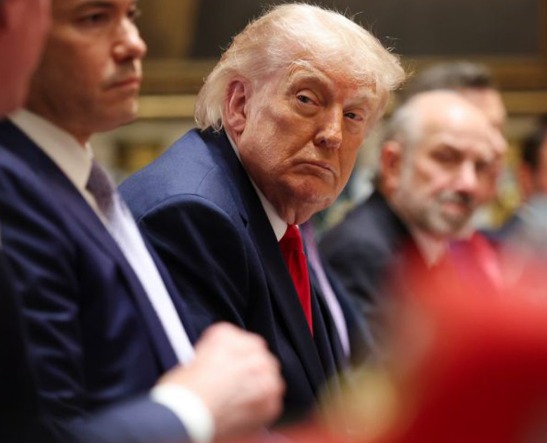
President Donald Trump has requested changes to a proposed agreement with Iran, extending negotiations and introducing fresh uncertainty into efforts aimed at reaching a diplomatic breakthrough. The move comes after consultations with senior advisers and reflects the administration’s desire for stronger commitments before approving any final arrangement.
While officials remain optimistic that a deal can still be reached, the latest revisions mean negotiators will continue discussions for at least another round of talks.
Why Is Trump Seeking Changes to the Agreement?
According to officials familiar with the negotiations, Trump wants stronger language regarding Iran’s nuclear obligations and additional assurances related to regional commitments. The president reportedly reviewed the draft proposal during a meeting with advisers before deciding further changes were necessary.
The requested revisions are aimed at ensuring any agreement includes clear and enforceable commitments. Administration officials believe stronger wording could help prevent future disputes over compliance and implementation.
Although the exact details have not been publicly released, reports suggest the changes are focused on strengthening key provisions rather than rewriting the framework entirely.
Focus on Nuclear Commitments
One of the main issues involves Iran’s nuclear program. Trump has repeatedly stated that any final agreement must include guarantees preventing the development of nuclear We@pons capabilities.
Officials say the administration is seeking more precise commitments regarding enriched uranium and future nuclear activities before approving a final deal.
What Issues Are Still Being Negotiated?
Several significant topics remain unresolved as discussions continue. Reports indicate negotiators are still working through questions involving sanctions relief, financial arrangements, and navigation rights through the Strait of Hormuz.
The strategic waterway remains a major focus because of its importance to international shipping and global energy markets. Officials have indicated Trump wants stronger assurances that the route will remain open and accessible.
Differences over these issues have slowed progress, but both sides continue engaging through diplomatic channels.
Strait of Hormuz Remains Central
The Strait of Hormuz has become one of the most sensitive points in the negotiations.
Administration officials have emphasized that freedom of navigation through the region remains a priority. Reports suggest Trump specifically requested firmer language regarding access to the waterway before moving forward with the deal.
How Is Iran Responding?
Iranian officials have reportedly responded cautiously to the revised proposal. Public statements indicate Tehran remains skeptical and continues seeking guarantees regarding its interests before accepting any final arrangement.
Iranian leaders have repeatedly stated they will not approve an agreement unless they believe their rights and priorities are adequately addressed. This position has contributed to the ongoing back-and-forth between negotiators.
Despite those differences, diplomatic contacts have remained active, suggesting both sides still see value in pursuing a negotiated outcome.
Trust Remains a Challenge
Analysts note that mutual distrust continues to be one of the biggest obstacles facing negotiators.
Years of disagreement and previous diplomatic disputes have made it difficult for either side to fully embrace proposed compromises, even as progress continues behind closed doors.
What Could Happen Next?
Officials involved in the discussions remain hopeful that a final agreement can still be achieved in the near future. Some reports suggest negotiations could continue for days or weeks depending on how quickly remaining issues are resolved.
The administration appears committed to securing what it views as a stronger and more durable agreement before signing off on the proposal. At the same time, diplomatic channels remain open as negotiators work toward narrowing remaining differences.
Many observers believe the coming days will be critical in determining whether both sides can transform the revised framework into a finalized deal.
Key Takeaways
- President Trump has requested revisions to a proposed agreement with Iran.
- The changes reportedly focus on nuclear commitments and the Strait of Hormuz.
- Negotiations have been extended while both sides review the updated proposal.
- Iranian officials remain cautious and continue seeking additional assurances.
- Diplomats still believe a final agreement remains possible despite ongoing disagreements.
With negotiations entering another critical stage, attention now turns to whether both sides can bridge their remaining differences and reach a deal that satisfies their core objectives.