
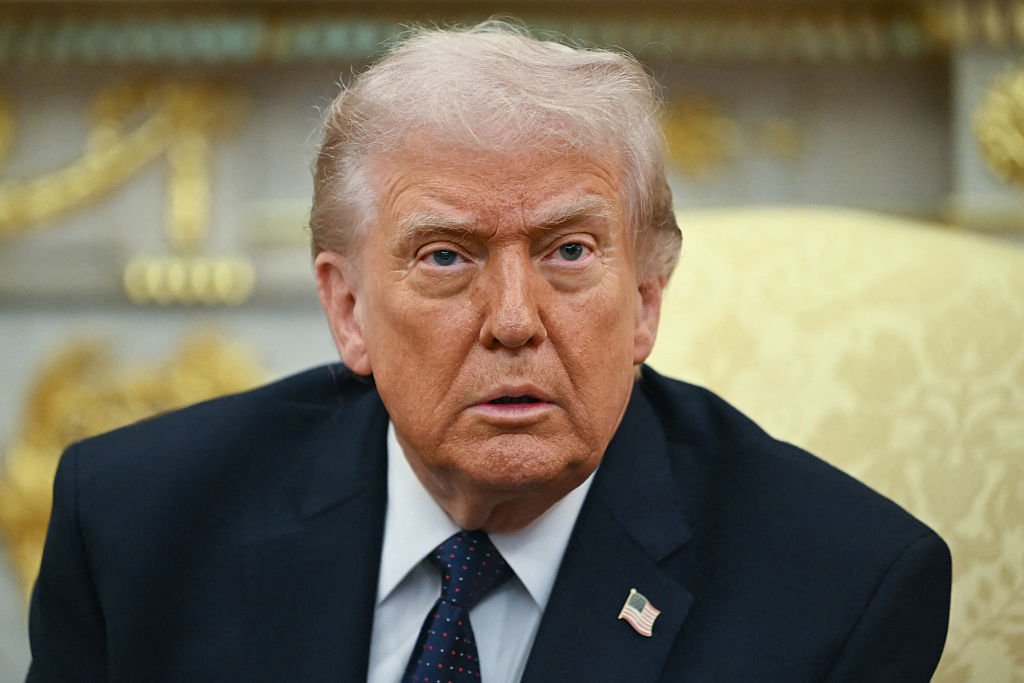
Donald Trump’s approval rating is facing renewed scrutiny after fresh polling showed many voters are unhappy with his current leadership. The latest numbers suggest Americans remain deeply divided, but the overall trend points to growing frustration over the economy, inflation, cost of living, foreign policy, and questions about whether his second-term agenda is matching voter expectations. While Trump still holds strong support among loyal Republicans, several polls show his broader approval has slipped into difficult territory.
Trump Approval Rating Drops in Recent Polls
Trump’s approval rating has fallen in several recent national polls, with some surveys showing more Americans disapprove of his performance than approve. A Washington Post-ABC News-Ipsos poll reported his approval at 37%, while disapproval reached 62%, one of the most difficult marks of his two presidential terms.
Other polling averages also show Trump underwater. Several major trackers placed his approval around the high 30s to low 40s, while disapproval remained clearly higher.
That gap matters because approval ratings are often used as a quick measure of public confidence. They do not decide elections on their own, but they can reveal how voters are feeling about the direction of the country.
Trump’s numbers are especially important because the 2026 midterm elections are approaching. If voters remain dissatisfied, Republican candidates may face a tougher environment in close House and Senate races.
Still, the picture is not one-sided. Some polls show voters continue to support specific Trump policies even while rating his overall performance negatively.
Why Are Voters Unhappy With Trump’s Leadership?
Voters appear most unhappy with Trump’s handling of the economy, inflation, and the cost of living. These issues remain personal for families because they affect groceries, rent, fuel, debt, wages, and everyday expenses.
The Washington Post-ABC News-Ipsos poll showed low ratings on economic issues, including inflation and cost of living. These are damaging numbers because Trump has often built his political appeal around the promise of economic strength.
A Harvard-Harris CAPS poll also found Trump’s overall approval at 42%, with weaker ratings on inflation and the economy. That same poll showed voters still supported some individual policies, but they were less confident in the overall direction of his leadership.
This creates a complicated political picture. Voters may like certain ideas, such as reducing prescription drug prices or tougher action against crime, while still feeling that the administration has not improved daily life.
Cost of living may be the biggest challenge. Even when economic data looks mixed or improving in some areas, voters often judge the economy by how much they pay at the store, at the pump, or on monthly bills.
For many Americans, that feeling remains negative.
Which Trump Policies Still Have Support?
Some Trump policies still have strong public support, even as his overall approval remains weak. Polling has shown strong backing for measures such as lowering prescription drug prices, reducing fraud, and removing violent criminal undocumented immigrants.
The Harvard-Harris CAPS poll found high support for several individual policy positions. That included broad support for lowering prescription drug prices and strong approval for removing violent criminal undocumented immigrants.
This shows that Trump’s political problem is not necessarily every policy idea. Instead, the issue may be trust, tone, execution, and whether voters believe the administration is improving their lives.
Some of his cultural and immigration-focused policies remain popular with parts of the electorate. These issues continue to energize his core supporters and many conservative voters.
However, other policies are more divisive. Tariffs, expanded raids, cuts to certain health programs, and foreign policy decisions have drawn more mixed or negative reactions.
This split explains why Trump can remain politically powerful while still having weak approval numbers. His base remains committed, but persuadable and independent voters may be more uncertain.
How Independent Voters Are Reacting
Independent voters are one of the biggest warning signs for Trump and Republicans. Recent analysis has suggested that Trump’s support among Republican-leaning independents has fallen sharply compared with the 2024 election.
This group matters because they can decide close elections. They may lean conservative, but they are often less loyal than strong party voters.
If these voters become frustrated with Trump’s leadership, they may stay home, vote for Democrats, or support independent candidates in key races.
Poll analysts have warned that falling support among these voters could hurt congressional Republicans in the midterms. Even a small shift in swing districts can change control of Congress.
The problem for Trump is that independent voters are often highly sensitive to practical issues. They may care less about political loyalty and more about whether the economy feels stable, prices are manageable, and government decisions seem competent.
If those voters believe Trump’s second term is creating more chaos than results, his party could face real trouble.
What Do These Polls Mean for the 2026 Midterms?
These polls suggest the 2026 midterms could become difficult for Republicans if Trump’s approval does not improve. A president’s approval rating often affects how voters treat the president’s party in congressional elections.
When a president is unpopular, the party in power can lose seats. This pattern has happened many times in American politics.
The Washington Post-ABC News-Ipsos poll showed Democrats with an advantage among registered voters, with an even stronger edge among those most certain to vote. That could matter in competitive districts.
However, the race is not settled. The Harvard-Harris CAPS poll showed voters split evenly on generic congressional preference, meaning Republicans still have a path if they improve their message or benefit from local races.
Turnout will be critical. If anti-Trump voters are more motivated than Republican voters, Democrats could gain ground. If Trump’s base remains energized, Republicans may limit losses.
The midterms are still months away, and public opinion can change quickly after major economic, legal, or international events.
Why Approval Ratings Can Be Misleading
Approval ratings are useful, but they can also be misleading if viewed alone. A single poll is only one snapshot of public opinion at a specific time.
Different polls use different sample sizes, question wording, and methods. Some survey all adults, while others focus on registered or likely voters.
That is why polling averages are often more useful than one headline number. Averages smooth out unusual results and show the broader direction.
It is also important to remember that a low approval rating does not automatically mean a politician has lost their base. Trump’s core supporters have remained unusually loyal compared with many past presidents.
At the same time, approval numbers can reveal weakness with voters outside the base. That is where elections are often decided.
So the key takeaway is not that one poll proves Trump is finished. It is that multiple surveys show warning signs his team cannot ignore.
Why This Polling Story Is Getting Attention
This polling story is getting attention because Trump remains the central figure in American politics. Every shift in his approval rating affects the Republican Party, the Democratic strategy, media coverage, and the 2026 election map.
Trump’s supporters see the polls as biased or temporary. His critics see them as evidence that voters are rejecting his second-term leadership.
The truth is more complicated. Trump remains powerful, but the numbers show clear dissatisfaction among many Americans.
The biggest danger for Trump may be not opposition from Democrats, but disappointment among voters who expected faster results on prices, stability, and economic confidence.
If those voters continue to lose confidence, the political cost could be serious.
For now, the polls show a president with a loyal base, popular individual policies in some areas, but a broad approval problem that could shape the next national election.
Key Takeaways
- Recent polling shows Donald Trump’s approval rating has fallen into difficult territory.
- A Washington Post-ABC News-Ipsos poll reported 37% approval and 62% disapproval.
- Voters appear especially unhappy with inflation, cost of living, and economic leadership.
- Some individual Trump policies still have strong support, even as his overall approval remains weak.
- Independent voters may become a major problem for Republicans ahead of the 2026 midterms.
Trump’s approval rating shows that loyalty from his base remains strong, but many voters are still waiting to feel real improvement in their daily lives.