
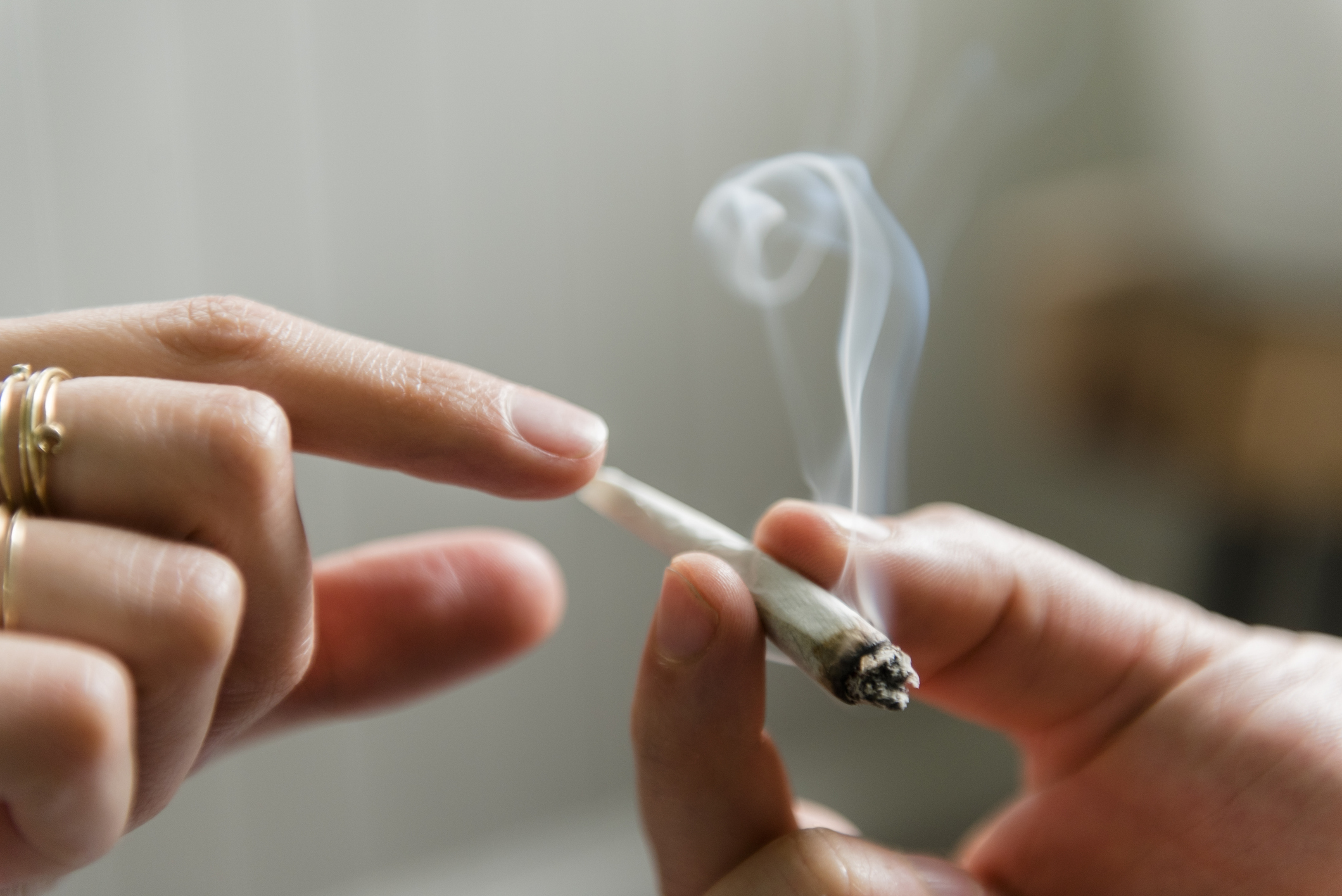
A major Canadian study has raised new concerns about cannabis use and mental health, especially among frequent users and young people. Researchers found that Canadians who used cannabis regularly were much more likely to report anxiety, depression, or self-harm thoughts compared with people who did not use it. The findings do not prove cannabis directly causes these problems, but they suggest the link between cannabis use and mental health struggles has become stronger over the last decade.
Canadian Study Links Cannabis Use With Mental Health Risks
A new study from McMaster University examined how cannabis use and mental health problems changed in Canada between 2012 and 2022. Researchers analyzed data from more than 35,000 Canadians aged 15 and older.
The study looked at cannabis use alongside anxiety, depression, and self-harm thoughts. Researchers found that people who used cannabis were more likely to meet criteria for anxiety and depressive disorders.
The link appeared strongest among people who used cannabis regularly, defined as two or more times per week. In 2022, frequent users were about five times more likely to report anxiety, depression, or self-harm thoughts than people who did not use cannabis.
This does not mean every cannabis user will experience mental health problems. It also does not prove that cannabis alone caused the symptoms.
However, the pattern is serious enough that researchers are calling for better screening, earlier support, and more awareness around frequent cannabis use.
The study adds to growing concern that cannabis is often viewed as harmless, even though its effects can be more complicated for some people.
Why Researchers Are Concerned About Frequent Cannabis Use
Researchers are concerned because cannabis use and mental health struggles appear to be rising together. Between 2012 and 2022, the number of Canadians reporting generalized anxiety disorder and major depressive episodes nearly doubled.
Cannabis use also increased during the same period. The number of people reporting cannabis use in the past year rose to 20.7%, while frequent use also became more common.
That overlap is what worries experts. If more people are using cannabis and more people are reporting mental health struggles, doctors need to understand whether one may be influencing the other.
The strongest concern is around frequent use. Occasional use and regular use may not carry the same level of risk, and the study found the most concerning pattern among people using cannabis several times a week.
Young people may be especially vulnerable because the brain continues developing into the mid-20s. Regular cannabis use during this stage could affect mood, stress response, motivation, and decision-making in ways researchers are still studying.
The key message is not panic. It is caution, especially for people who use cannabis often or already struggle with anxiety or low mood.
Does Cannabis Cause Anxiety and Depression?
The study does not prove that cannabis directly causes anxiety or depression. Instead, it shows a strong connection between cannabis use and mental health problems.
This distinction matters. Some people may use cannabis because they already feel anxious, stressed, or emotionally low. They may be trying to calm themselves or escape difficult feelings.
At the same time, cannabis may worsen symptoms for some users, especially if the product contains high levels of THC. THC is the main mind-altering compound in cannabis and can affect fear, mood, perception, and stress response.
This creates a possible cycle. A person may use cannabis to feel temporary relief, but later experience stronger anxiety, lower mood, or dependence on the habit to cope.
Researchers say the relationship is complex. It may work in both directions: mental health struggles may lead some people to use cannabis, and cannabis may make symptoms worse for certain users.
That is why people should pay attention to how they feel before, during, and after using cannabis.
Why THC May Trigger Anxiety in Some People
THC may trigger anxiety in some people because it affects brain areas involved in fear, alertness, and emotional regulation. One important area is the amygdala, which helps process threats and activate the body’s fight-or-flight response.
When THC affects this system, some users may feel relaxed. Others may feel tense, panicked, suspicious, or overwhelmed.
This difference depends on the person, the dose, the product strength, the environment, and mental health history. Someone who feels calm with a small amount may feel anxious after using a stronger product.
Modern cannabis products can also be much more potent than older versions. High-THC products may increase the chance of unpleasant reactions, especially for people who are inexperienced, young, or already dealing with stress.
Some people report paranoia, racing thoughts, or sudden fear after using cannabis. These reactions can be frightening and may make existing anxiety worse.
This is one reason experts recommend caution with frequent or high-potency use, especially among younger people.
Why Youth Mental Health Is a Major Concern
Youth mental health is a major concern because the study found self-harm thoughts among young people increased by about 44% during the study period. Researchers also found strong links between cannabis use and mental health symptoms among younger Canadians.
Teenagers and young adults are already in a sensitive stage of emotional and brain development. Stress, school pressure, social media, family problems, isolation, and uncertainty can all affect mental health.
If cannabis becomes a regular coping tool during this stage, it may hide symptoms instead of solving them. A young person may feel temporary relief but avoid getting proper support for anxiety, depression, trauma, or stress.
Frequent use may also affect sleep, focus, motivation, and school or work performance. These changes can then feed back into mental health problems.
Parents, teachers, and healthcare providers may need to pay closer attention when a young person is using cannabis often and also showing mood changes.
The warning is not about shaming young people. It is about making sure mental health support arrives before patterns become harder to change.
What Cannabis Users Should Watch For
Cannabis users should watch for changes in mood, sleep, motivation, anxiety levels, and daily functioning. If someone feels worse after using cannabis, that pattern should not be ignored.
Warning signs may include more frequent panic, low mood, irritability, isolation, loss of interest, poor sleep, trouble focusing, or needing cannabis to get through the day.
Another warning sign is using cannabis mainly to escape emotions. If someone cannot relax, sleep, socialize, or handle stress without it, the habit may be becoming emotionally dependent.
People should also notice whether they need more cannabis over time to get the same effect. That can suggest tolerance and may make quitting or cutting back more difficult.
Anyone experiencing self-harm thoughts, severe anxiety, or worsening depression should seek urgent support from a trusted person, doctor, crisis line, or mental health professional.
Cannabis may feel like a simple way to cope, but serious mental health symptoms deserve real care.
When Cutting Back May Help
Cutting back may help if cannabis seems linked to anxiety, low mood, poor sleep, or reduced motivation. Some people may notice improvement after reducing frequency, avoiding high-THC products, or taking a break.
If cutting back feels impossible, professional support can help.
Why Doctors Want Better Screening
Doctors want better screening because cannabis use and mental health problems often appear together. If a patient reports anxiety or depression, it may be useful for healthcare providers to ask about cannabis use in a non-judgmental way.
This does not mean blaming the patient. It means understanding the full picture.
Someone may be using cannabis to cope with symptoms, and that information can help doctors recommend better support. Treatment may need to address both mental health and substance use patterns together.
Researchers also suggest that public health guidelines may need updating as products become stronger and more widely available.
Legal access can make cannabis feel safer, but legal does not always mean risk-free. Alcohol, tobacco, and prescription medicines can also be legal while still carrying health risks.
The strongest public health message is balance: people need accurate information without exaggeration and without ignoring possible harm.
Key Takeaways
- A McMaster University study examined cannabis use and mental health data from more than 35,000 Canadians between 2012 and 2022.
- Frequent cannabis users were about five times more likely to report anxiety, depression, or self-harm thoughts than non-users in 2022.
- The study shows a strong link, but it does not prove cannabis directly causes mental health disorders.
- Youth may be especially vulnerable, with self-harm thoughts among young people rising by about 44% during the study period.
- Experts say mental health providers should ask about cannabis use and treat mental health and substance use concerns together.
Cannabis may be legal and widely accepted in many places, but this study shows why frequent use should still be taken seriously, especially when anxiety, low mood, or emotional distress are already present.