
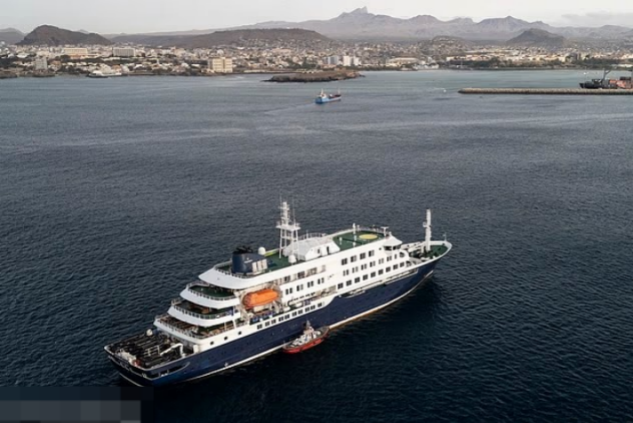
Two Texas residents are being monitored after they were passengers on the MV Hondius, a cruise ship linked to a hantavirus outbreak during an expedition voyage. Health officials say both Texans returned to the U.S. before the outbreak was identified, have been contacted, and reported no symptoms. Authorities are stressing that the wider public risk remains low, but monitoring is continuing because symptoms can take weeks to appear.
CDC Notifies Texas Health Officials
The CDC notified the Texas Department of State Health Services that two state residents had been aboard the MV Hondius, the expedition cruise ship at the center of the outbreak. Texas officials contacted both passengers after learning they had returned home before the outbreak was confirmed.
Both individuals reportedly said they had no symptoms and had not interacted with anyone who was unwell while on the ship. As a precaution, they were told to monitor themselves daily and report any health changes to public health officials.
The identities and locations of the two Texans have not been released for privacy reasons.
What Happened on the MV Hondius?
The MV Hondius became the focus of international health monitoring after several passengers developed severe respiratory illness during a voyage that began in Argentina. The World Health Organization previously reported a cluster of suspected and confirmed hantavirus cases linked to the ship.
The ship was carrying 147 passengers and crew when the situation was reported to WHO on May 2, 2026. Early WHO reporting listed seven cases, including confirmed and suspected infections, with several passengers seriously unwell.
Later reports said the number of confirmed and suspected cases had changed as testing continued. Health teams in multiple countries began tracing passengers who had already left the ship and traveled onward.
Why Health Officials Are Monitoring Passengers
Passengers are being monitored because hantavirus symptoms may not appear immediately. Depending on the strain and exposure, the incubation period can last several weeks.
That means someone can feel normal after leaving the ship but still be asked to watch for symptoms out of caution.
Monitoring does not mean someone is infected. It means public health teams want quick updates if fever, body aches, stomach upset, coughing, chest tightness, or breathing trouble appear.
This is standard public health practice during rare infection investigations, especially when travelers have moved through different countries, airports, or communities before the outbreak was fully understood.
Why Andes Hantavirus Is Different
The strain linked to the outbreak has been reported as Andes virus, a type of hantavirus that is unusual because it can sometimes spread between people through close and prolonged contact. Most hantaviruses are mainly linked to rodent exposure and do not spread easily between people.
Health officials have emphasized that casual contact is not considered a known risk, and asymptomatic spread has not been recorded in the same way as common respiratory viruses.
That is why the response is targeted rather than panic-driven. Officials are focusing on passengers, close contacts, and people who may have been near confirmed or suspected cases.
What Is Hantavirus?
Hantavirus is a group of viruses usually carried by rodents. People are most commonly exposed by breathing in particles from infected rodent urine, droppings, or saliva.
Exposure can happen while cleaning cabins, sheds, barns, garages, storage rooms, or rural buildings where rodents have been present.
Dry sweeping or vacuuming contaminated areas can push particles into the air, which is why health agencies often recommend wet-cleaning methods and protective steps in rodent-contaminated spaces.
The cruise outbreak is unusual because it involves an expedition vessel and a strain that can sometimes spread through very close contact.
Symptoms People Should Watch For
Early symptoms can include fever, chills, muscle aches, headache, dizziness, nausea, vomiting, diarrhea, or stomach pain.
More serious symptoms can involve coughing, chest pressure, shortness of breath, and severe breathing difficulty.
Anyone who has been contacted by health officials should follow their instructions carefully, even if they feel well.
People who were not linked to the ship or exposed travelers do not need to panic. The public risk is considered low, and health teams are focusing on people with direct connection to the voyage.
Is This a Wider Public Threat?
Current reporting suggests the wider public risk remains low. Texas officials said the two residents reported no symptoms and no contact with unwell passengers while onboard.
WHO and other health authorities have been supporting contact tracing and monitoring because the outbreak involves international travel and a rare virus strain.
The situation is serious for those directly involved, but officials are not describing it as a fast-spreading general public threat.
Key Takeaways
- Two Texas residents were passengers on the MV Hondius, the cruise ship linked to a hantavirus outbreak.
- Both Texans were contacted by health officials and reported no symptoms.
- They also said they had not interacted with anyone unwell while onboard.
- The outbreak involves Andes virus, a hantavirus strain that can rarely spread through close and prolonged contact.
- The wider public risk remains low, but monitoring continues because symptoms can take weeks to appear.
The Texas cases are precautionary monitoring, not confirmed illness. For the general public, the main message is awareness, not fear: follow official guidance, avoid unsafe rodent cleanup, and seek medical care if symptoms appear after a known exposure.