
A leaked CIA assessment has reportedly challenged Donald Trump’s public claims about the U.S. campaign against Iran, suggesting Tehran may still have far more military strength and economic endurance than the White House has claimed. The intelligence analysis reportedly says Iran could withstand a U.S. naval blockade for several months and still retains a large portion of its ballistic missile capability. The report has sparked fresh debate over whether Trump’s public messaging is overselling the impact of the campaign.
Leaked CIA Assessment Raises Major Questions
The reported CIA analysis suggests Iran may be able to endure the U.S. naval blockade for at least 90 to 120 days, and possibly longer. That directly challenges public claims from Trump and his allies that Iran is close to economic and military collapse.
According to the leaked assessment, the blockade is causing severe economic pressure, reportedly costing Iran hundreds of millions of dollars per day. However, intelligence officials believe Tehran has ways to extend its survival, including storing oil on tankers, reducing production to protect infrastructure, and possibly using overland smuggling routes.
This does not mean Iran is unaffected. The report still indicates serious pressure on the country’s economy and military systems.
But the key issue is timing. Instead of collapsing quickly, Iran may be able to hold out for months.
That creates a difficult political problem for Trump because his public message has focused heavily on fast success and decisive pressure.
Iran Still Has a Large Missile Arsenal
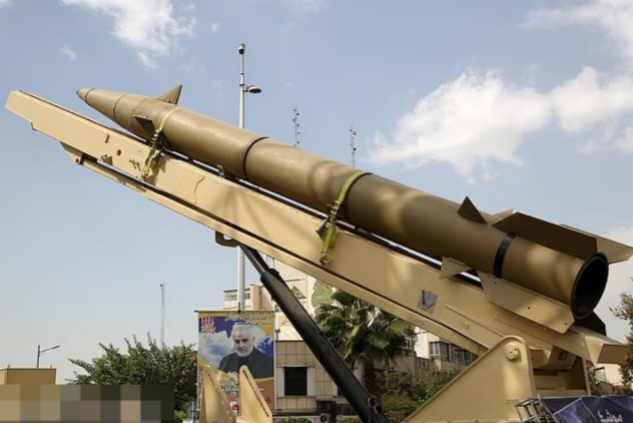
One of the most striking parts of the assessment is the claim that Iran still retains around 70% of its pre-conflict missile stockpile and about 75% of its mobile launchers. That suggests U.S. and allied strikes may have reduced Iran’s capabilities, but not removed them.
This matters because Iran’s missile force is one of its most important deterrents. Even if parts of its military network have been damaged, a large remaining missile force means Tehran can still threaten regional targets, U.S. assets, and shipping routes.
The assessment also reportedly says Iran has resumed missile production and reopened some storage facilities.
That would make the situation far more complicated than a simple “mission accomplished” narrative.
For military planners, the danger is not only what Iran has already launched. It is what it can still hold back, move, hide, rebuild, or use later.
Trump’s Public Claims Face New Scrutiny
Trump has repeatedly described the campaign against Iran as a major success, claiming Iran’s military power has been heavily crushed and its economy is near collapse.
The leaked CIA assessment appears to paint a more cautious picture. It suggests Iran has been hurt, but not broken.
That gap between public messaging and private intelligence is why the story has become so politically explosive.
Presidents often use confident language during conflicts to project strength. But if intelligence assessments tell a more complicated story, critics argue the public deserves a clearer picture.
Supporters may argue that intelligence reports are only estimates and that Trump’s pressure campaign is still working.
Critics say the leak shows the administration may be exaggerating progress while Iran still has significant strategic strength.
Nuclear Program Questions Remain
Separate reporting has also suggested that recent U.S. intelligence assessments found only limited new damage to Iran’s nuclear program after months of military escalation. Sources said analysts still believe Iran may be able to build a nuclear device within roughly 9 to 12 months if it chooses that path.
That finding adds another layer to the debate.
The Trump administration has argued that military action and pressure are stopping Iran’s nuclear ambitions. But if the timeline has not changed much, critics may question whether the campaign has achieved its most important goal.
There is also uncertainty over Iran’s stockpile of highly enriched uranium. The U.N. nuclear watchdog has reportedly been unable to confirm the status of a large amount of material enriched to 60%.
That uncertainty makes the situation more dangerous. Even heavy strikes may not fully remove hidden nuclear material or technical knowledge.
Why the Strait of Hormuz Matters
The Strait of Hormuz is one of the world’s most important oil routes. Any extended crisis there can affect global energy prices, shipping, inflation, and regional stability.
The U.S. blockade is meant to pressure Iran economically and limit its ability to move oil. But the CIA assessment reportedly suggests Iran may still have enough resilience to endure the pressure for months.
That matters because a long blockade can become politically expensive for Washington too.
If fuel prices rise, shipping costs increase, or regional tensions escalate, Trump may face pressure at home and from allies abroad.
Iran may be betting that it can wait out the political pressure rather than surrender quickly.
That is why the leaked assessment is so important. It suggests the conflict may be entering a longer and more uncertain phase.
Iran’s Leadership May Be Hardening
The leaked assessment reportedly warns that Iran’s leadership may be becoming more radical and more prepared to endure economic hardship.
That is a major concern because pressure campaigns do not always lead to quick compromise. Sometimes they push governments to become more defiant.
If Iran’s leadership believes survival is at stake, it may choose escalation, delay, or asymmetric tactics instead of negotiation.
Those tactics could include drone activity, pressure on shipping, cyber operations, proxy activity, or selective missile use.
The result could be a prolonged standoff where neither side achieves a clean victory.
Why the Leak Is Politically Damaging
The leak is politically damaging because it challenges the administration’s strongest talking point: that Iran is being rapidly forced into submission.
If the CIA assessment is accurate, Iran may still have enough military capability and economic flexibility to resist for months.
That does not mean Trump’s campaign has failed completely. It means the situation may be much more difficult than his public claims suggest.
For voters, the issue is trust. People want to know whether leaders are being honest about the cost, risk, and progress of a major foreign-policy campaign.
For U.S. allies, the issue is planning. If Iran can hold out longer than expected, regional partners may need to prepare for extended instability.
For Iran, the leak may be used as propaganda to show that it remains strong despite U.S. pressure.
Key Takeaways
- A leaked CIA assessment reportedly says Iran can withstand a U.S. naval blockade for 90 to 120 days or longer.
- The report suggests Iran still has around 70% of its pre-conflict missile stockpile and about 75% of its mobile launchers.
- This challenges Trump’s public claims that Iran’s military and economy are close to collapse.
- Separate reporting suggests Iran’s nuclear timeline may not have changed dramatically despite recent strikes.
- The leak raises questions about whether the U.S. campaign is achieving its goals as quickly as the White House claims.
The leaked CIA dossier does not say Iran is untouched, but it does suggest Tehran may be far more resilient than Trump’s public victory claims imply.