
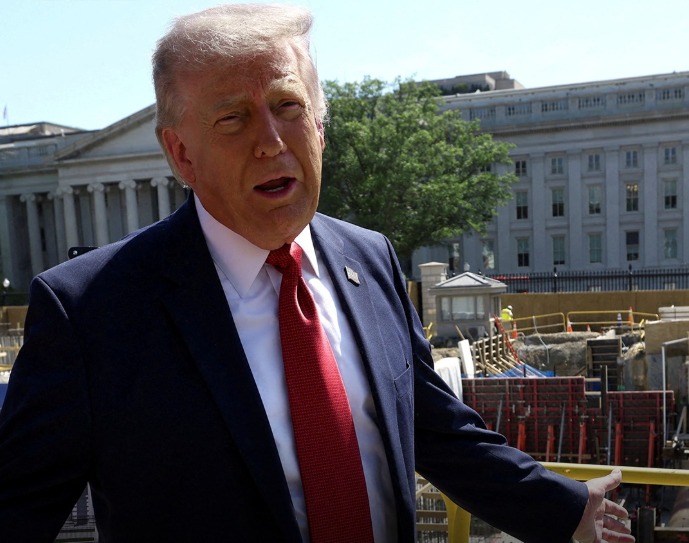
A proposal to allocate approximately $1 billion for a new ballroom at the White House has been removed from a major Senate spending package, marking a significant shift in negotiations over federal budget priorities. The decision comes after lawmakers from both parties questioned whether the project should receive government funding at a time when Congress faces pressure to control spending.
The move has sparked debate over presidential infrastructure projects, government expenditures, and how taxpayer money should be allocated.
Why Was the White House Ballroom Proposal Dropped?
Senate Republicans decided to remove the funding provision during negotiations over a broader spending bill.
According to reports, some lawmakers expressed concern that financing a large ceremonial venue at the White House could become politically controversial, particularly as Congress continues debating budget deficits and competing national priorities.
While supporters argued that improvements to the historic complex could benefit future administrations and official state functions, critics questioned whether such a project should receive federal funding at this time.
The decision to eliminate the proposal reflects the challenges lawmakers often face when balancing symbolic projects with broader fiscal concerns.
What Was the Ballroom Project?
The proposed ballroom was expected to provide additional space for official ceremonies, diplomatic receptions, and large-scale government events.
Supporters suggested that the current White House facilities have limitations when hosting major gatherings involving foreign leaders, state dinners, and national celebrations. A larger venue, they argued, could reduce the need for temporary event structures and improve the ability to host international guests.
However, the project quickly became a subject of political discussion because of its estimated cost and association with President Donald Trump’s administration.
A Longstanding Idea
Discussions about expanding event space at the White House have surfaced periodically over the years.
Various administrations have explored renovation and modernization projects for the historic complex, although large structural additions often generate debate due to preservation concerns and budget considerations.
Why Did Lawmakers Object?
The primary concern raised by many senators involved the cost.
At a time when Congress continues negotiating spending on infrastructure, defense, healthcare, and social programs, some lawmakers argued that allocating nearly $1 billion to a ceremonial building project would be difficult to justify.
Fiscal conservatives emphasized the importance of reducing unnecessary expenditures, while others suggested private fundraising or alternative financing methods could be considered if such a project moved forward in the future.
The proposal also became part of a broader conversation about government accountability and spending priorities.
How Does This Fit Into the Federal Budget Debate?
Congress routinely reviews thousands of funding requests during the annual appropriations process.
Large projects often face additional scrutiny because lawmakers must balance limited resources against a wide range of competing needs. Transportation, national secur!ty, disaster relief, healthcare, and education programs frequently compete for the same pool of federal dollars.
Budget negotiations can lead to proposals being revised, delayed, or removed entirely as lawmakers seek compromises capable of gaining enough support to pass.
Spending Priorities Remain a Key Political Issue
Government spending continues to be one of the most closely watched topics in Washington.
Both major political parties regularly debate how federal resources should be allocated, with disagreements often emerging over infrastructure projects, public investments, and long-term fiscal planning.
The removal of the ballroom proposal reflects those broader policy discussions.
What Happens Next?
Although the funding provision has reportedly been eliminated from the current Senate package, that does not necessarily mean the concept has been abandoned permanently.
Future administrations or lawmakers could revisit the idea through separate legislation or alternative funding approaches. For now, however, Congress appears focused on advancing spending measures that address more immediate national priorities.
Political observers note that projects connected to historic government buildings often evolve over many years before any final decisions are reached.
Why This Decision Matters
Beyond the specific project itself, the debate highlights how symbolic government expenditures can become part of larger discussions about public finances and political accountability.
The controversy also demonstrates the scrutiny major federal spending proposals receive, regardless of which administration supports them.
As lawmakers continue negotiating budget legislation, similar debates over priorities and taxpayer spending are likely to remain at the center of national politics.
Key Takeaways
- Senate Republicans removed a proposal that would have provided about $1 billion for a new White House ballroom.
- Lawmakers questioned whether the project should be funded amid broader budget concerns.
- Supporters argued the expansion could improve facilities used for official state events.
- Critics said federal resources should focus on more pressing national priorities.
- The decision reflects the ongoing debate over government spending and fiscal responsibility.
As Congress continues shaping future spending bills, the discussion surrounding high-profile projects like this one may continue influencing how lawmakers define national priorities.