
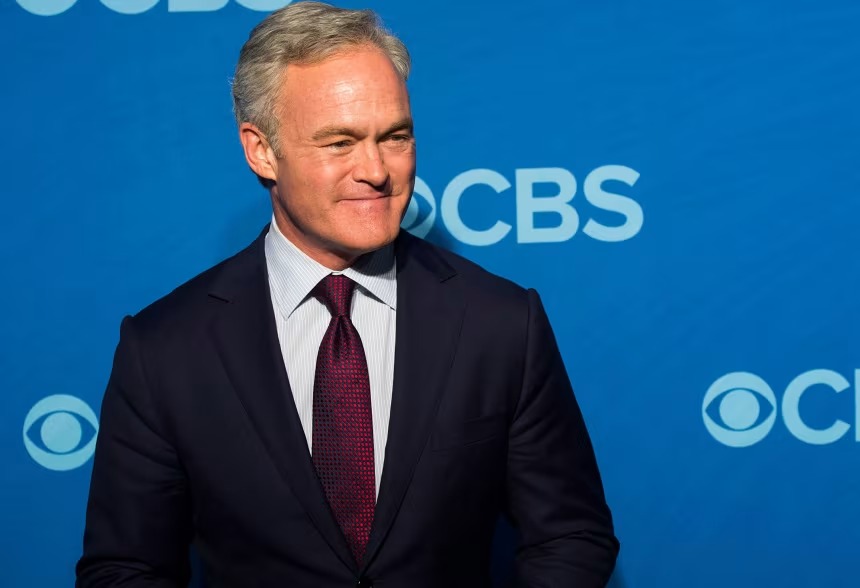
Veteran journalist Scott Pelley has become the center of a growing media industry discussion after remarks made during a meeting at CBS drew widespread attention. The conversation comes at a pivotal moment for the network as it navigates leadership changes, newsroom concerns, and broader questions about the future of television journalism.
The developments have fueled debate across the media landscape about editorial independence, corporate influence, and the direction of one of America’s most recognizable news organizations.
What Prompted the Controversy?
The discussion emerged following internal meetings involving CBS News personnel and executives during a period of significant transition within the company.
Reports indicate that Pelley addressed concerns about journalism, newsroom culture, and the challenges facing news organizations in a rapidly changing media environment. His comments quickly attracted attention both inside and outside the industry.
The situation gained additional visibility because of ongoing leadership changes and broader discussions about the future of flagship programs such as 60 Minutes.
Media observers viewed the remarks as reflecting concerns shared by many journalists throughout the industry.
Why Is 60 Minutes at the Center of Attention?
For decades, 60 Minutes has been regarded as one of the most influential investigative journalism programs in television history.
The program has built its reputation through in-depth reporting, interviews with major public figures, and investigative stories that often shape national conversations. Because of its stature, any perceived tension involving the show’s editorial direction tends to attract significant public interest.
Supporters of the program argue that maintaining editorial independence is essential to preserving the credibility that has made 60 Minutes successful over many decades.
Others note that modern media organizations face increasing business pressures that require balancing journalistic goals with corporate realities.
A Legacy of Investigative Reporting
Since its launch in 1968, 60 Minutes has become one of the longest-running and most respected news programs in television.
Its influence extends beyond ratings, often affecting public policy discussions, corporate accountability efforts, and national political debates. That legacy explains why developments involving the program frequently resonate throughout the journalism profession.
How Do Leadership Changes Affect News Organizations?
Leadership transitions often create uncertainty inside media companies.
New executives may bring different priorities, management styles, and strategic goals. Journalists sometimes worry about how those changes could influence newsroom operations, editorial decision-making, and long-term reporting priorities.
Industry experts note that tensions between business objectives and journalistic independence are not unique to CBS. Similar debates have occurred at major news organizations around the world.
The challenge for many media companies is maintaining public trust while adapting to evolving audience habits and financial realities.
What Broader Issues Are Being Discussed?
The controversy extends beyond a single meeting or individual comments.
Many journalists view the situation as part of a larger conversation about the role of news organizations in an era of political polarization, social media influence, and declining public trust in institutions.
Newsrooms are increasingly confronted with questions about how to preserve credibility while competing for audience attention in a rapidly changing information landscape.
The Importance of Editorial Independence
One recurring theme in the discussion involves editorial independence.
Media professionals frequently argue that public trust depends on journalists being able to pursue stories without undue influence from political, corporate, or external interests. Maintaining that independence has long been considered a core principle of professional journalism.
At the same time, news organizations must navigate business pressures that affect staffing, programming, and long-term sustainability.
Why This Matters Beyond CBS
The issues raised by the controversy reflect challenges facing the entire news industry.
Television networks, newspapers, digital publications, and independent media organizations are all adapting to changing technologies and audience expectations. Decisions made by major organizations such as CBS often serve as indicators of broader trends affecting journalism nationwide.
Observers say the debate highlights ongoing concerns about how media companies can protect journalistic standards while remaining competitive in a crowded marketplace.
As audiences increasingly consume news through digital platforms, questions about trust, transparency, and editorial integrity are likely to remain central topics.
What Happens Next?
CBS leadership and newsroom staff are expected to continue navigating the challenges associated with organizational change and evolving media dynamics.
While the immediate controversy may fade, the underlying issues surrounding journalism, editorial independence, and media leadership are unlikely to disappear.
The conversation sparked by Pelley’s comments may ultimately contribute to broader discussions about how news organizations maintain credibility and public trust in the years ahead.
Key Takeaways
- Scott Pelley became the focus of industry attention following comments made during a CBS meeting.
- The discussion comes amid leadership changes and ongoing scrutiny of CBS News.
- 60 Minutes remains a central part of the conversation because of its historic role in investigative journalism.
- The situation highlights broader debates about editorial independence and media leadership.
- Journalists across the industry are closely watching how major news organizations adapt to changing challenges.
As media companies continue evolving in a digital era, the balance between business priorities and journalistic principles may remain one of the defining issues facing the industry.