
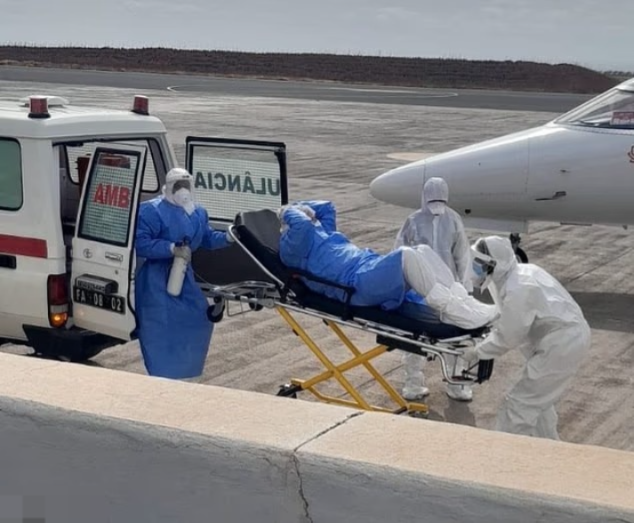
Scientists are working on a promising new hantavirus vaccine after a cruise ship outbreak triggered international concern and a major contact-tracing effort. Researchers at the University of Bath say their vaccine has already produced a strong immune response in lab and animal testing, with human trials expected later in 2026. Experts warn, however, that any approved vaccine for public use is still likely years away, and there is currently no widely approved vaccine or specific cure for New World hantaviruses such as Andes virus in the United States.
New Hantavirus Vaccine Shows Early Promise
The new vaccine is being developed by researchers at the University of Bath, led by Professor Asel Sartbaeva. The team says the vaccine uses mRNA technology along with a special stabilization method known as ensilication.
Ensilication wraps biological material in protective silica cages, which may help vaccines stay stable at normal temperatures without needing constant refrigeration. That could be especially useful in remote areas where outbreaks may happen far from advanced medical facilities.
So far, the vaccine has shown an excellent immune response in early testing. But it has not yet completed human trials, which means it is not ready for general public use.
This is why scientists are using careful wording. The vaccine is promising, but it is not an immediate solution to the current cruise-linked outbreak.
Why the Cruise Outbreak Increased Urgency
The recent hantavirus outbreak linked to the MV Hondius cruise ship has created a new sense of urgency around vaccine development. The World Health Organization reported a cluster of confirmed and suspected cases linked to the ship, with several people seriously unwell.
The strain involved is Andes virus, a type of hantavirus associated with South America. It is especially concerning because it is the only known hantavirus strain with documented person-to-person spread, usually through close and prolonged contact.
That does not mean it spreads easily like common respiratory viruses. Health officials have said the wider public risk remains low, but passengers and close contacts are being monitored because symptoms can take weeks to appear.
The outbreak has highlighted a major gap in preparedness: there are very limited treatment options and no widely available approved vaccine for New World hantaviruses in countries such as the U.S.
What Is Hantavirus?
Hantaviruses are a group of viruses usually carried by rodents. People are most often exposed by breathing in particles from infected rodent urine, droppings, or saliva.
Exposure can happen when someone cleans cabins, sheds, barns, storage areas, or rural buildings where rodents have been present. Dry sweeping or vacuuming can push contaminated dust into the air, which increases risk.
Symptoms can begin with fever, chills, muscle aches, headache, dizziness, nausea, vomiting, diarrhea, or stomach pain.
In more serious cases, the illness can affect the lungs and cause coughing, chest tightness, shortness of breath, and severe breathing difficulty.
Because early symptoms can look like many other illnesses, travel history and possible rodent exposure are important details for doctors.
Why Andes Virus Is Different
Andes virus is different from most hantaviruses because rare person-to-person spread has been documented. Most hantavirus infections are linked to rodent exposure only.
Person-to-person spread appears to require close and prolonged contact with someone who is already unwell. Casual contact is not considered the main risk.
This makes public health monitoring important but also explains why experts are not describing the current situation as a pandemic-style threat.
The key concern is finding people who had direct exposure, watching for symptoms, and making sure medical care begins quickly if illness develops.
Why a Vaccine Could Be Important
A hantavirus vaccine could be important because severe cases can progress quickly and require hospital care, oxygen support, or intensive treatment.
There is no specific approved medicine that cures hantavirus infection. Doctors mainly provide supportive care, especially for breathing problems.
A vaccine could help protect people at higher risk, such as those living or working in areas with known rodent exposure, healthcare workers responding to outbreaks, or travelers entering high-risk regions.
The University of Bath project may also matter because its technology could reduce cold-chain problems. If a vaccine can remain stable without constant refrigeration, it may be easier to deliver during emergencies.
However, vaccine development takes time. Researchers must prove safety, correct dosing, immune response, effectiveness, and manufacturing quality before approval.
Experts Say Approval Could Take Years
Even with promising early results, experts say a hantavirus vaccine for general use could take years. Human trials must begin, then larger studies must show whether the vaccine safely protects people.
This is especially challenging because hantavirus outbreaks are rare and unpredictable. That can make it harder to test a vaccine in the same way as vaccines for more common infections.
Funding is another major issue. Rare-disease vaccines and treatments often struggle to attract investment because outbreaks are not constant.
The cruise outbreak is now being described by some experts as a wake-up call. It shows that rare viruses can still create international concern when travel, remote locations, and delayed symptoms are involved.
How People Can Lower Risk Now
Since a vaccine is not yet publicly available, prevention remains the most important step.
People should avoid contact with rodents and avoid disturbing dry rodent droppings, nests, or contaminated dust. If cleaning an area where rodents may have been present, wet-cleaning methods are safer than dry sweeping.
Food should be stored securely, holes in buildings should be sealed, and rodent activity should be addressed quickly.
People who are told they may have been exposed during an outbreak should follow public health instructions, monitor symptoms, and seek care quickly if fever or breathing symptoms appear.
For most people not connected to the cruise outbreak or rodent exposure, the risk remains low.
Key Takeaways
- University of Bath scientists are developing a promising hantavirus vaccine using mRNA and ensilication technology.
- Early lab and animal testing showed a strong immune response.
- Human trials are expected later in 2026, but public approval could still take years.
- The MV Hondius cruise outbreak has increased urgency around hantavirus preparedness.
- There is currently no widely approved vaccine or specific cure for New World hantaviruses in the U.S.
- Prevention still depends on avoiding rodent exposure and following public health guidance after possible contact.
The new vaccine research is encouraging, but it is not an instant fix. For now, the strongest protection remains early awareness, careful monitoring, and reducing exposure to rodents or confirmed outbreak contacts.