
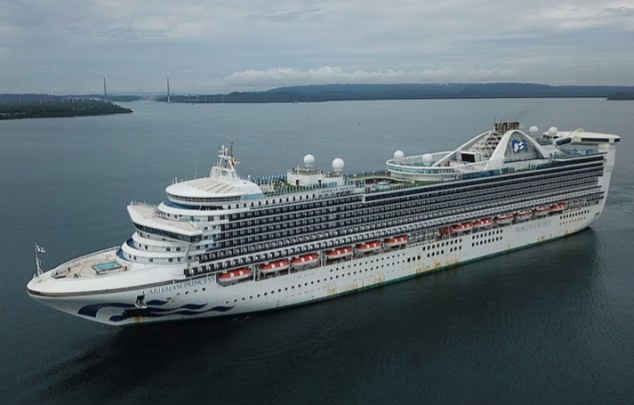
A Caribbean cruise has been hit by a fast-spreading stomach illness after more than 100 passengers and crew members on the Caribbean Princess reported symptoms linked to norovirus. The Princess Cruises ship was sailing a 14-day Eastern Caribbean voyage that departed from Fort Lauderdale on April 28, 2026. Health officials say 102 passengers and 13 crew members became unwell, prompting isolation measures, extra cleaning, and CDC monitoring before the ship’s scheduled arrival at Port Canaveral on May 11.
Norovirus Outbreak Hits Caribbean Princess
The outbreak affected 115 people onboard the Caribbean Princess, according to CDC-linked reporting. The ship had 3,116 passengers, meaning about 3.3% of passengers reported symptoms, along with 13 crew members.
Symptoms included vomiting and diarrhea, which are classic signs of norovirus. The illness is known for spreading quickly in crowded spaces such as cruise ships, schools, hospitals, and care homes.
Princess Cruises said the ship experienced cases of mild gastrointestinal illness and that enhanced cleaning measures were introduced. Sick passengers and crew were isolated to reduce further spread.
The CDC was notified on May 7, and stool samples were collected for testing as part of the outbreak response.
What Is Norovirus?
Norovirus is a highly contagious stomach virus that can cause sudden vomiting, diarrhea, nausea, stomach cramps, and general weakness.
It is sometimes called a “stomach bug,” but it is not the same as flu. It mainly affects the stomach and intestines, while flu usually affects the respiratory system.
The virus spreads easily because only a tiny amount is needed to make someone ill. It can pass through contaminated hands, food, water, shared surfaces, or close contact with someone who is sick.
Cruise ships can be especially vulnerable because many people share dining areas, elevators, restrooms, handrails, buffets, entertainment spaces, and cabins within a limited environment.
Most people recover within a few days, but dehydration can become a concern, especially for older adults, young children, and people with weaker immune systems.
Why Cruise Ships See Norovirus Outbreaks
Cruise ships often get attention for norovirus outbreaks because the environment makes illness easier to track. When passengers and crew are all on one vessel, health teams can count symptoms and identify clusters more clearly.
The virus can spread through shared surfaces such as elevator buttons, railings, door handles, dining tables, bathroom fixtures, and serving utensils.
Buffet-style dining may also increase risk if people do not wash hands properly before touching shared serving tools.
Another challenge is timing. A passenger may board while already infected but not yet showing symptoms. Once symptoms begin, the virus may already have spread to others.
Norovirus can also survive on surfaces and resist some cleaning methods, which is why cruise lines usually increase disinfection when an outbreak is suspected.
How Princess Cruises Responded
Princess Cruises introduced isolation and enhanced cleaning measures after the outbreak was identified. Sick passengers and crew were separated from others to reduce transmission.
The cruise line also increased cleaning and disinfection across the ship, especially in high-touch areas.
The ship is scheduled to arrive at Port Canaveral, Florida, on May 11, where it is expected to undergo thorough sanitization before its next voyage.
These steps are standard during cruise-related gastrointestinal outbreaks. Cruise operators are required to report certain illness levels to the CDC’s Vessel Sanitation Program when thresholds are reached.
The goal is to stop the outbreak, protect passengers, and reduce the chance of illness continuing into the next sailing.
Why Norovirus Spreads So Fast
Norovirus spreads fast because it takes very little virus to infect someone. It can be present in vomit or stool and can contaminate surfaces, food, and hands.
A person can spread it while sick and sometimes for days after symptoms improve.
That is why hand hygiene is so important. Alcohol-based sanitizer can help in some situations, but washing hands with soap and water is especially important for norovirus.
People should wash hands after using the bathroom, before eating, before touching food, and after helping someone who is unwell.
On cruise ships, passengers should also avoid touching food directly at buffets and should follow crew instructions during any outbreak.
What Passengers Should Do If Symptoms Start
Passengers who develop vomiting, diarrhea, stomach cramps, or nausea during a cruise should report symptoms to the ship’s medical team immediately.
They should stay in their cabin if instructed, drink fluids, and avoid preparing food or mixing closely with other passengers.
Hydration is important because fluid loss can happen quickly. Water, oral rehydration drinks, broth, and electrolyte solutions may help.
Medical help is especially important if symptoms are severe, if a person cannot keep fluids down, or if there are signs of dehydration such as dizziness, very little urination, dry mouth, or confusion.
Most cases improve within one to three days, but people should still follow isolation guidance to avoid spreading the virus.
Is This Outbreak a Wider Public Threat?
This outbreak is serious for passengers and crew onboard, but it is not being described as a wider public health emergency.
Norovirus outbreaks happen every year in many settings. Cruise ship cases receive attention because they are easier to document and because passengers are together in one place.
The main concern is controlling spread onboard and properly cleaning the ship before the next group of passengers arrives.
Travelers leaving the ship should continue good hygiene and avoid preparing food for others for a short period after symptoms stop.
For people not connected to the cruise, the risk is not increased unless they have direct contact with someone who is sick.
Key Takeaways
- A norovirus outbreak on the Caribbean Princess sickened 102 passengers and 13 crew members.
- The ship was sailing a 14-day Eastern Caribbean voyage that left Fort Lauderdale on April 28, 2026.
- Symptoms included vomiting and diarrhea.
- Princess Cruises isolated sick passengers and crew, increased cleaning, and collected samples for testing.
- The ship is expected to receive thorough sanitization after arriving at Port Canaveral.
- Handwashing with soap and water is one of the best ways to reduce norovirus spread.
The Caribbean Princess outbreak is an uncomfortable reminder that stomach viruses can spread quickly in shared travel spaces, but fast reporting, isolation, cleaning, and strong hygiene can help bring outbreaks under control.