
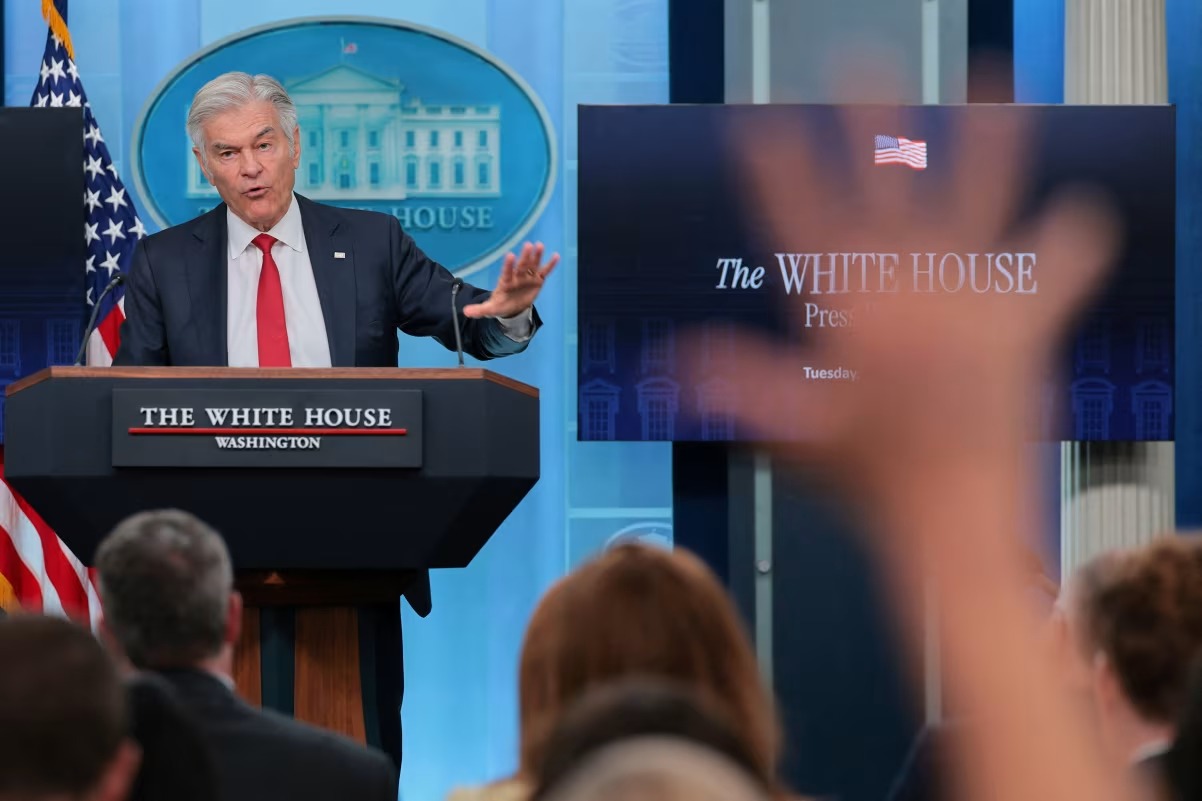
A growing debate is emerging over proposed Medicaid work requirements, with healthcare advocates, policymakers, and patient groups raising questions about how the rules could affect individuals undergoing treatment for serious medical conditions, including cancer.
The discussion highlights the broader challenge of balancing government efforts to encourage workforce participation while ensuring vulnerable patients maintain access to critical healthcare services.
As lawmakers continue evaluating healthcare policy proposals, the issue has become a focal point in national conversations about healthcare access and social support programs.
What Are Medicaid Work Requirements?
Medicaid is a government-supported healthcare program that provides medical coverage to millions of low-income Americans.
Under proposed work requirement policies, certain beneficiaries could be required to demonstrate employment, job training participation, education enrollment, volunteer service, or other qualifying activities in order to maintain eligibility.
Supporters argue that such requirements encourage economic participation and self-sufficiency, while critics warn that complex reporting systems may unintentionally affect people who genuinely need assistance.
Concerns for Patients With Serious Medical Conditions
One of the primary concerns raised by healthcare advocates involves individuals receiving treatment for serious illnesses such as cancer.
Many patients undergoing chemotherapy, radiation therapy, surgery recovery, or other intensive treatments may be physically unable to maintain consistent employment schedules.
Advocates argue that even when exemptions exist, navigating administrative requirements can become challenging for individuals already coping with major health issues.
Administrative Challenges
Healthcare organizations frequently note that eligibility systems can be difficult for patients to understand and manage.
Individuals may be required to submit documentation, verify employment status, or regularly update personal information. Missing deadlines or completing paperwork incorrectly could potentially create disruptions in coverage.
Critics worry that vulnerable patients may face additional stress during periods when their primary focus should be treatment and recovery.
Supporters Say Flexibility Exists
Supporters of work requirement policies emphasize that exemptions are often designed to protect individuals facing significant medical challenges.
Under many proposals, people with documented disabilities or serious health conditions may qualify for exceptions that prevent them from losing benefits.
Advocates of the policy argue that concerns should focus on implementation rather than the concept itself, noting that carefully designed systems can account for medical circumstances.
Encouraging Workforce Participation
Proponents believe work requirements can help connect beneficiaries with employment opportunities, education programs, and job training resources.
They argue that increased workforce participation may improve long-term financial stability and reduce dependence on government assistance programs.
Supporters also contend that many Medicaid recipients are already employed but may need additional support to maintain stable careers.
Healthcare Experts Express Concerns
Medical professionals and patient advocacy groups have raised questions about whether exemptions alone are sufficient.
Some experts argue that patients with fluctuating health conditions may face uncertainty when attempting to prove eligibility. Others worry that administrative complexity could result in temporary coverage interruptions even for individuals who qualify for exemptions.
Healthcare providers stress that uninterrupted access to treatment is especially important for patients managing serious illnesses.
Importance of Continuous Coverage
For individuals receiving ongoing medical care, continuous insurance coverage can be essential.
Interruptions may affect access to medications, specialist appointments, diagnostic testing, and treatment plans. Patient advocates say maintaining stability within healthcare systems should remain a priority when evaluating policy changes.
Broader Healthcare Policy Debate
The discussion surrounding Medicaid work requirements reflects larger debates about healthcare policy in the United States.
Lawmakers continue to explore ways to manage healthcare costs, improve access to care, encourage employment, and ensure the sustainability of public assistance programs.
Different stakeholders often agree on broad goals while disagreeing on how best to achieve them.
Balancing Competing Priorities
Policymakers face the challenge of balancing several objectives simultaneously:
- Expanding healthcare access.
- Encouraging workforce participation.
- Controlling government spending.
- Protecting vulnerable populations.
- Simplifying administrative systems.
- Supporting long-term economic mobility.
The debate over work requirements sits at the intersection of all these priorities.
What Happens Next?
Healthcare legislation and regulatory proposals often undergo extensive review before implementation.
Lawmakers, healthcare organizations, patient advocacy groups, insurers, and policy experts are expected to continue discussing the potential consequences of work requirements and possible safeguards for medically vulnerable individuals.
Future decisions may shape how millions of Americans access healthcare coverage in the years ahead.
Why This Matters
Medicaid remains one of the largest healthcare programs in the United States, providing coverage for low-income families, older adults, individuals with disabilities, and people facing serious medical conditions.
Changes to eligibility requirements can affect large numbers of beneficiaries and influence broader healthcare outcomes.
As policymakers consider future reforms, ensuring that patients with significant health challenges maintain access to necessary care remains a central concern in the ongoing debate.
Key Takeaways
- Proposed Medicaid work requirements are generating discussion among policymakers and healthcare advocates.
- Concerns have been raised about potential impacts on individuals undergoing treatment for serious illnesses.
- Supporters argue that exemptions can protect medically vulnerable patients.
- Critics worry about administrative barriers and potential coverage interruptions.
- The issue reflects broader debates about healthcare access, workforce participation, and public assistance programs.
As healthcare policy discussions continue, lawmakers will likely face increasing pressure to balance economic objectives with protections designed to ensure patients receive the care they need during some of the most challenging periods of their lives.