
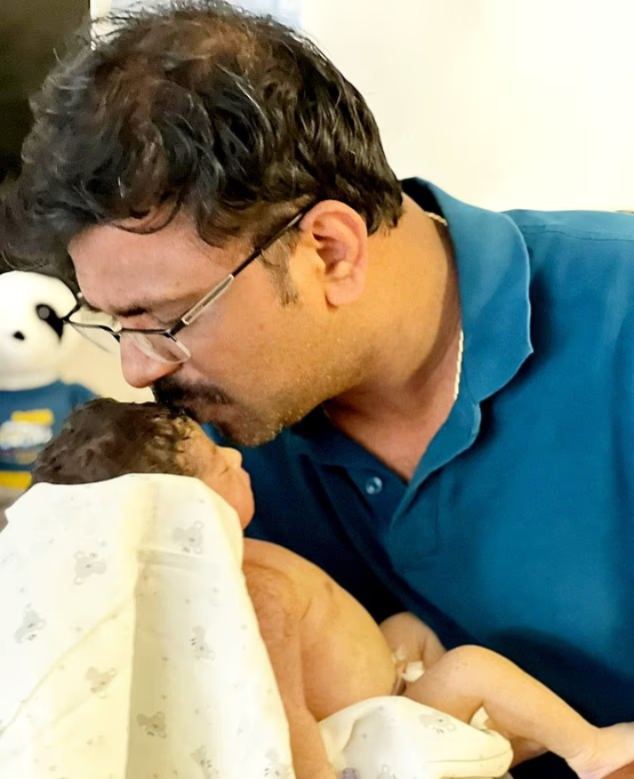
A newborn baby girl passed away in her parents’ arms after an inquest heard doctors delayed an emergency C-section for more than four hours despite repeated pleas from her mother. Baby Neha Rajesh was born at Broomfield Hospital in Chelmsford, Essex, in May 2024 after her mother, Divya Rajesh, was admitted at 35 weeks pregnant with warning signs linked to fetal distress. The case has now raised serious concerns about maternity care, communication, and whether urgent warning signs were acted on quickly enough.
Mother Begged for Emergency C-Section
Divya Rajesh reportedly pleaded for a C-section after becoming worried about her unborn baby’s condition. She had been admitted to hospital at 35 weeks after concerns were raised about the baby’s heart rate and movement.
The inquest heard that there were abnormal readings and signs that should have prompted urgent action. However, medical staff continued toward a natural birth plan before eventually moving to surgery hours later.
By the time the C-section took place, baby Neha was delivered in a poor condition and needed resuscitation.
Her parents later said they had repeatedly asked for a C-section and believed earlier action could have changed the outcome.
C-Section Came More Than Four Hours Later
The inquest heard that the emergency C-section happened more than four hours after concerns should have triggered faster delivery. Neha was born shortly before 11 p.m. and was transferred to neonatal intensive care.
However, the inquest also heard concerns about her care after birth. Reports said she was not intubated for more than two hours, despite needing urgent breathing support.
Neha later passed away at just 13 hours old. Medical evidence linked her condition to oxygen deprivation and pulmonary hypertension.
For her parents, the loss was devastating because they believe repeated warning signs were missed.
Inquest Finds Multiple Care Failings
The inquest heard evidence of several failures in care, including poor monitoring, delayed escalation, and communication problems.
Essex coroner Sonia Hayes reportedly said Neha’s life could likely have been prolonged if she had been delivered earlier. The coroner also raised concerns that the emergency classification was not acted on with the urgency it required.
Mid and South Essex NHS Foundation Trust acknowledged failures in care and communication.
The trust expressed condolences and said lessons must be learned from what happened.
Parents Say Their Pleas Were Ignored
Neha’s parents have spoken about the pain of feeling unheard during a critical moment. They said they begged for a C-section but felt their concerns were dismissed or not treated urgently enough.
This part of the case has strongly affected readers because it touches a fear many families share: that a mother may know something is wrong but not be listened to quickly enough.
In maternity care, communication is vital. Families need clear explanations, and staff must take concerns seriously, especially when monitoring shows abnormal signs.
The case has become a reminder that patient voices can be crucial during childbirth emergencies.
Why Fetal Distress Must Be Taken Seriously
Fetal distress means there may be signs that a baby is not coping well before birth. This can involve abnormal heart rate patterns, reduced movement, or other warning signs seen during monitoring.
Not every concern leads to an emergency, but persistent or serious warning signs require fast assessment and clear decision-making.
If oxygen supply is affected, delays can become dangerous. Doctors and midwives must decide quickly whether continued monitoring is safe or whether urgent delivery is needed.
That is why delays in maternity emergencies are so serious. Minutes can matter when a baby is showing signs of distress.
Family Campaigns for Change
Neha’s parents are now pushing for change so other families do not experience the same heartbreak.
They are being supported by a medical negligence lawyer and want maternity systems to improve how they respond to emergency warning signs.
Their case comes amid wider concern about maternity and neonatal care standards in parts of the UK.
For grieving families, accountability is not only about one case. It is also about making sure lessons are acted on and systems change.
Key Takeaways
- Baby Neha Rajesh passed away at 13 hours old after a delayed emergency C-section.
- Her mother, Divya Rajesh, was admitted at 35 weeks pregnant with warning signs linked to fetal distress.
- The inquest heard the C-section came more than four hours later than it should have.
- Reports said Neha was not intubated for more than two hours after birth.
- The coroner said earlier delivery could likely have prolonged her life.
- The NHS trust acknowledged failures in care and communication.
- Neha’s parents are campaigning for changes in maternity care.
Neha Rajesh’s case is a heartbreaking reminder that urgent maternity warnings must be acted on quickly, and that parents’ concerns should never be brushed aside when a baby’s safety may be at risk.