
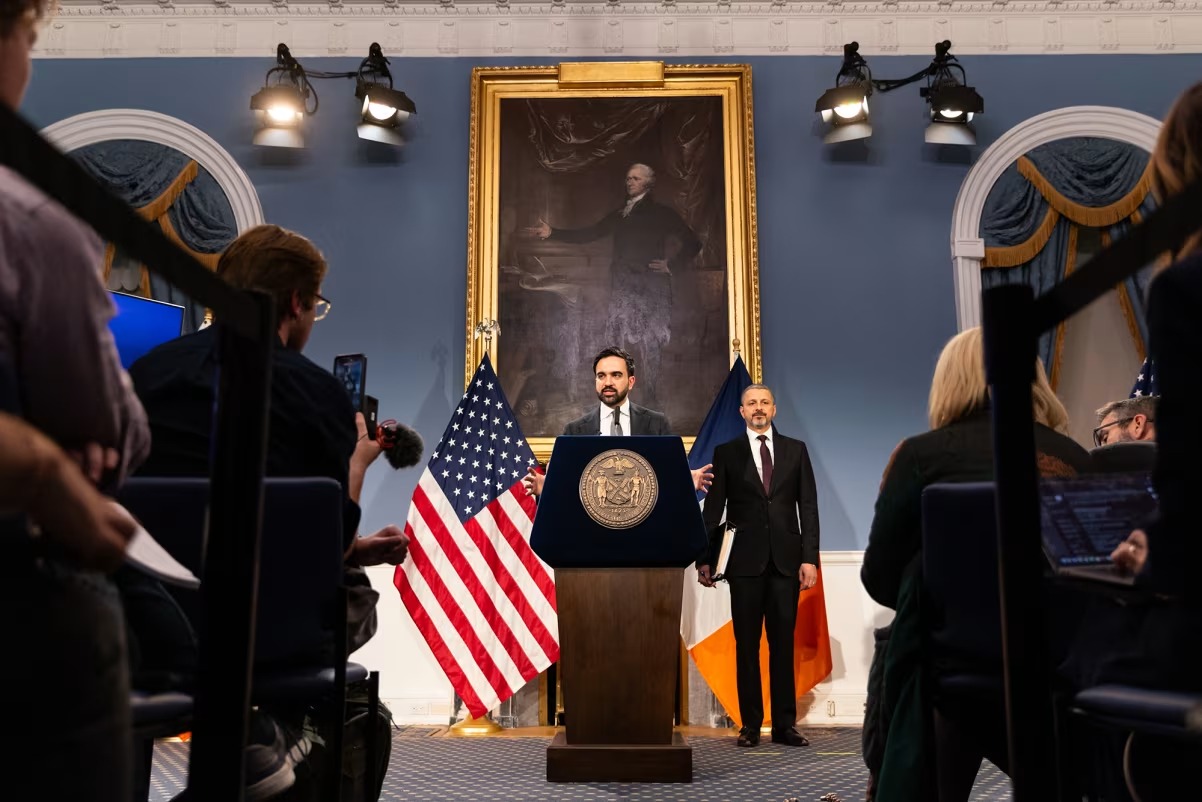
Housing affordability has emerged as one of the defining issues in New York City’s political landscape, with mayoral candidate Zohran Mamdani drawing attention for a series of proposals aimed at addressing rising rents and the city’s ongoing housing shortage.
Supporters describe the plan as an aggressive effort to make New York more affordable for working families, while critics question whether some of the proposals are financially and practically achievable.
Why Housing Has Become a Major Political Issue
New York City continues to face one of the most expensive housing markets in the United States.
Many residents have struggled with rising rents, increasing home prices, and limited availability of affordable housing units. The issue has become particularly important for younger residents, middle-income families, and long-term tenants concerned about being priced out of their neighborhoods.
Political candidates across the city have increasingly focused on housing policy as voters rank affordability among their top concerns.
What Is Mamdani Proposing?
Mamdani has promoted a platform centered on expanding affordable housing options and reducing financial pressure on tenants.
Among the ideas receiving attention are proposals to accelerate housing construction, increase investment in public housing, strengthen tenant protections, and explore measures designed to reduce housing costs for lower- and middle-income residents.
Supporters argue that significant action is needed because the housing shortage has developed over many years and cannot be solved through small adjustments alone.
Focus on Affordability
The central goal of the plan is to make housing more accessible for residents facing financial challenges.
Advocates say many New Yorkers spend a substantial portion of their income on housing expenses, leaving less money available for healthcare, transportation, education, and other necessities.
They argue that increasing the supply of affordable housing could help stabilize costs over the long term.
Why Are Economists Divided?
Housing experts generally agree that affordability is a serious problem, but opinions differ regarding the best solutions.
Some economists support large-scale public investment and stronger affordability protections, arguing that market forces alone have not produced enough affordable housing.
Others contend that increasing overall housing construction and reducing development barriers may be more effective in expanding supply and lowering prices.
The debate reflects broader disagreements about the balance between government intervention and private-sector development.
Supply Versus Regulation
One of the central questions involves whether affordability challenges are primarily driven by insufficient housing supply or by broader economic factors.
Supporters of new construction emphasize the need for additional housing units, while advocates for stronger tenant protections focus on shielding residents from rapid rent increases and displacement.
Most experts agree that addressing the problem will likely require multiple approaches rather than a single solution.
What Challenges Could the Plan Face?
Implementing major housing reforms in New York City can be complicated.
Large-scale projects often require coordination between city agencies, developers, community organizations, state officials, and local residents. Funding, zoning regulations, environmental reviews, and neighborhood concerns can all influence how quickly housing projects move forward.
Critics argue that ambitious promises must be matched by realistic implementation strategies and sustainable financing plans.
Supporters counter that the scale of the housing crisis requires bold solutions rather than incremental changes.
Why This Matters Beyond New York
Housing affordability has become a growing concern in many major cities across the United States.
Policymakers nationwide are grappling with similar questions involving rent levels, housing supply, development regulations, and public investment. As one of the country’s largest and most influential cities, New York often serves as a testing ground for policy ideas that may later be considered elsewhere.
For that reason, proposals emerging from New York’s housing debate are attracting attention far beyond the city itself.
A National Conversation
The issues being discussed in New York mirror broader concerns affecting urban areas across the country.
Many cities are facing rising housing costs, population growth, and increasing demand for affordable living options. Decisions made in New York may influence future policy discussions in other metropolitan regions.
What Happens Next?
Housing is expected to remain a central issue throughout New York’s political debates and upcoming elections.
Candidates will continue presenting competing visions for addressing affordability, expanding housing supply, and supporting residents struggling with rising costs. Voters will ultimately decide which approaches they believe offer the most effective path forward.
Regardless of the political outcome, most observers agree that housing affordability will remain one of the city’s most important challenges for years to come.
Key Takeaways
- Zohran Mamdani has proposed ambitious measures aimed at improving housing affordability in New York City.
- Rising rents and limited housing availability remain major concerns for residents.
- Economists and housing experts continue debating the best solutions to the affordability crisis.
- Supporters favor stronger intervention, while critics emphasize practical and financial challenges.
- The outcome of New York’s housing debate could influence policy discussions nationwide.
As housing costs continue shaping daily life for millions of residents, the conversation surrounding affordability, development, and tenant protections is likely to remain at the center of New York City’s political future.