
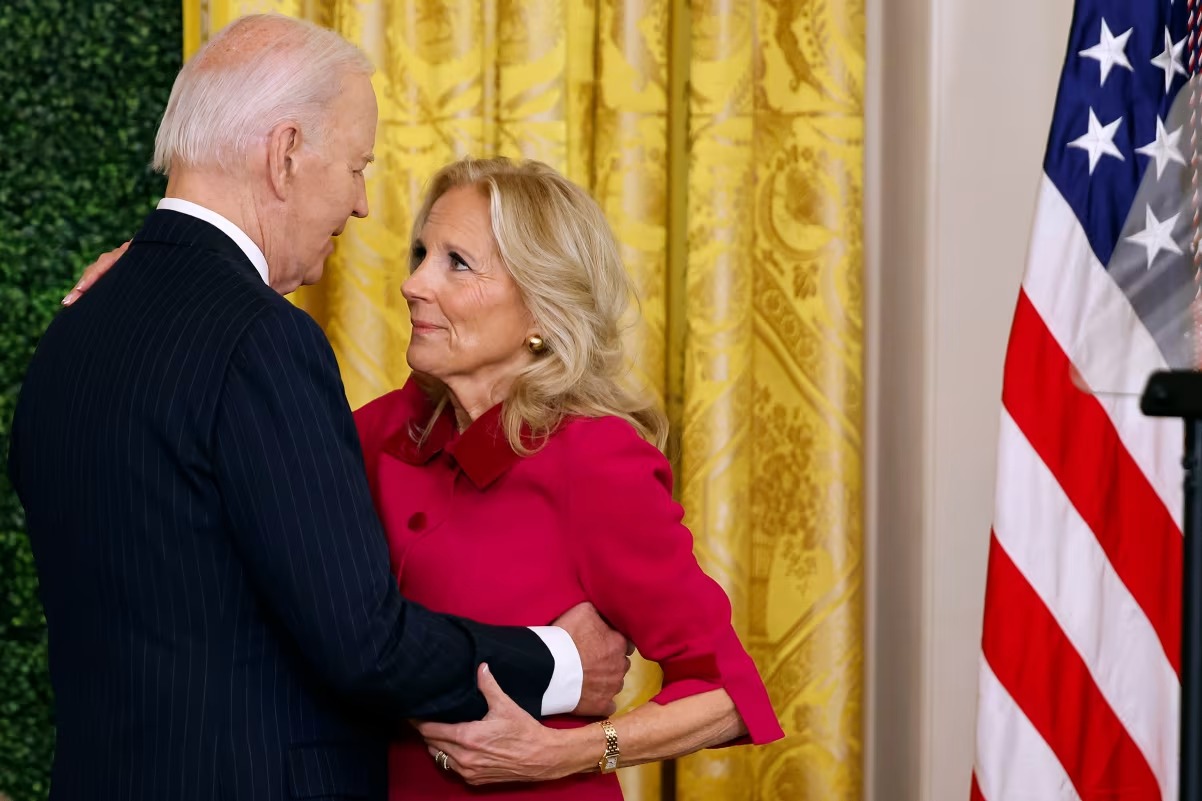
A newly released political book is reigniting discussion about the influence of former First Lady Jill Biden during the presidency of Joe Biden. The book, co-authored by journalist Jake Tapper, examines decision-making inside the White House and explores the role played by key figures within Biden’s inner circle during a period of intense political scrutiny.
The publication has quickly become a focal point in ongoing debates about leadership, political influence, and the dynamics surrounding the Biden administration’s final years.
Why Is the Book Generating So Much Attention?
The book explores behind-the-scenes discussions involving senior aides, family members, and advisers during Joe Biden’s presidency.
According to the authors, the work examines how major decisions were made during critical moments and how those closest to the president helped shape strategy and policy discussions. Particular attention has been given to Jill Biden’s influence as one of the president’s most trusted advisers.
Supporters argue that presidential spouses have historically played important advisory roles, while critics contend that unelected figures should not hold significant influence over government decisions.
The book has fueled renewed interest in understanding how presidential administrations function behind closed doors.
What Does the Book Say About Jill Biden’s Influence?
The authors reportedly describe Jill Biden as an important figure within the president’s inner circle.
According to accounts presented in the book, she was involved in discussions surrounding political strategy, scheduling decisions, campaign considerations, and broader questions about the administration’s direction.
The book suggests that her views carried substantial weight among senior advisers due to her longstanding relationship with the president and her understanding of his political career.
However, supporters of the former first lady argue that her involvement was consistent with the role many presidential spouses have played throughout American history.
A Trusted Adviser Within the White House
Observers note that first ladies have often served as informal advisers.
From policy advocacy to political strategy discussions, presidential spouses have frequently influenced decisions without holding official government positions. The book’s portrayal of Jill Biden has renewed discussion about where that influence begins and ends.
How Have Biden Allies Responded?
Many allies of the former president have pushed back against some of the book’s characterizations.
Supporters argue that the administration operated through established decision-making processes involving cabinet officials, advisers, and policy experts. They contend that attempts to portray Jill Biden as unusually influential overlook the traditional role played by presidential spouses.
Others have questioned certain interpretations presented in the book and argued that retrospective accounts may not fully capture the complexity of White House decision-making.
The debate reflects broader disagreements about how presidential history is documented and interpreted.
Why Are Political Books Often Controversial?
Books examining presidential administrations frequently generate debate because they rely on interviews, anonymous sources, and insider accounts.
Authors often attempt to reconstruct private conversations and internal discussions that were never intended for public release. As a result, participants sometimes challenge specific details or interpretations after publication.
Political books can shape public perceptions, influence historical narratives, and spark new investigations into events that occurred behind the scenes.
The Battle Over Historical Narratives
Competing versions of events are common after major presidencies.
Former officials, advisers, and political allies often publish memoirs or provide interviews offering different perspectives on the same events. Readers are frequently left to evaluate competing accounts and determine which interpretations they find most persuasive.
What Does This Mean for Biden’s Legacy?
The discussion surrounding the book arrives as historians, political analysts, and voters continue assessing Joe Biden’s presidency.
Questions about leadership, decision-making, policy achievements, and political strategy are expected to remain central themes in evaluations of the administration. The book adds another layer to those discussions by focusing on the influence of individuals operating outside formal government roles.
Supporters argue that close family members often provide valuable perspective and support to presidents. Critics maintain that public accountability becomes more complicated when influential figures hold no official position.
Why the Debate Is Likely to Continue
Interest in presidential decision-making rarely ends when an administration leaves office.
As additional books, interviews, memoirs, and archival materials emerge, debates about who influenced key decisions and how those decisions were made are likely to continue. The publication of this book ensures that Jill Biden’s role within the administration will remain part of that conversation.
For political observers, the controversy highlights the enduring fascination with the personal relationships that help shape presidential leadership.
Key Takeaways
- A new political book co-authored by Jake Tapper examines decision-making during Joe Biden’s presidency.
- The book highlights Jill Biden’s role as a trusted adviser within the president’s inner circle.
- Supporters argue her involvement was consistent with the historical role of many first ladies.
- Critics question the influence of unelected individuals on government decision-making.
- The publication has reignited broader discussions about leadership, accountability, and presidential legacy.
As more accounts of the Biden presidency emerge, the debate over who shaped key decisions inside the White House is likely to remain a significant part of the historical conversation.