
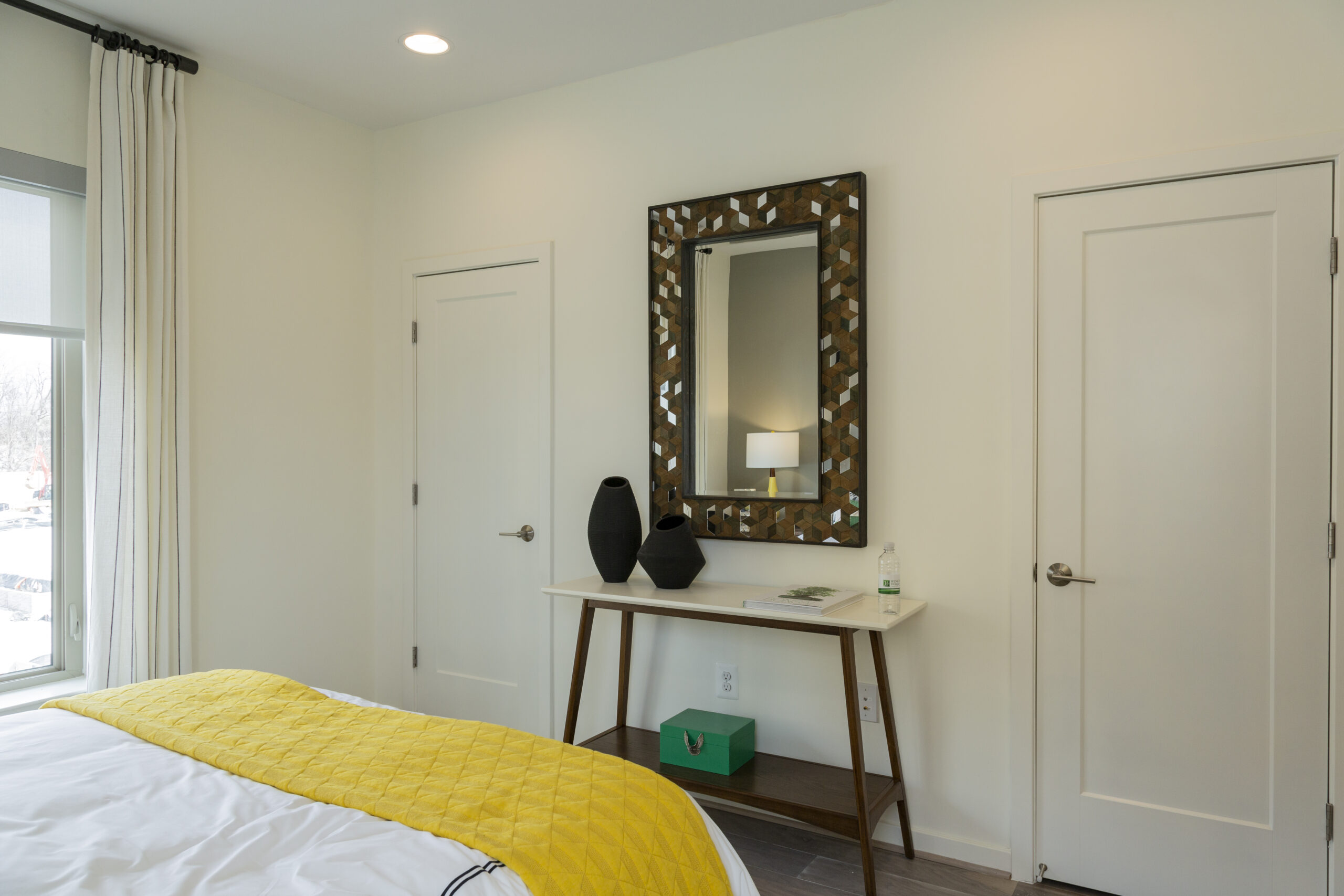
A mirror facing the bed has become the center of a creepy online debate after a spiritual content creator warned people not to place one directly across from where they sleep. The claim is not based on proven science, but it has spread quickly because mirrors already have a long history in folklore, horror stories, and superstition. Some people believe mirrors can hold energy, attract unwanted spirits, or disturb sleep, while others say the real reason may be much simpler: waking up to your own reflection in the dark can be genuinely unsettling.
Why People Say a Mirror Should Not Face Your Bed
People say a mirror should not face your bed because many spiritual traditions and superstitions treat mirrors as more than ordinary household objects. In these beliefs, mirrors are sometimes viewed as energy portals, reflection points, or objects that can trap or carry emotional impressions from past spaces.
The viral warning came from a TikTok creator known online as Psychic Leah, who also goes by Lady Afterlife. She claimed that having a mirror facing the bed could invite unwanted spiritual energy into the room.
According to her warning, mirrors placed across from sleeping areas may create an uncomfortable atmosphere and could be linked to restless sleep, heavy energy, or strange feelings in the bedroom.
She also warned people to be extra cautious with second-hand mirrors. Her claim is that used mirrors may carry the energy of the previous home, especially if negative experiences happened around them.
These claims are spiritual rather than scientific. There is no strong evidence proving that mirrors attract spirits, but the idea continues to spread because it connects with beliefs people have heard from family, culture, horror films, or personal experience.
What Did Psychic Leah Say About Bedroom Mirrors?
Psychic Leah warned that people should avoid placing a mirror directly opposite their bed. She claimed the setup could bring unwanted spirits or low-energy entities into the home.
She said she often receives calls from people dealing with strange feelings in their homes and notices that mirrors are frequently part of the setup. In her view, covering or cleansing the mirror can help reduce the problem.
Her advice was direct. She suggested covering the mirror with a cloth, blanket, or other material if it cannot be moved from the bedroom.
She also recommended protection prayers, setting spiritual boundaries, and cleansing the mirror with sage. These suggestions are common in spiritual communities that believe objects can hold or attract energy.
For people who believe in this kind of practice, the advice may feel protective. For skeptics, it may sound like superstition or entertainment.
Either way, the warning caught attention because the idea of a mirror facing a bed already feels eerie to many people. Even without believing in spirits, plenty of people dislike seeing their reflection when they wake up at night.
Is There a Real Sleep Reason Behind the Fear?
There may be a real sleep-related reason why some people dislike mirrors facing the bed. A mirror can reflect movement, shadows, light, and shapes in a dark room, which may make the brain feel alert instead of relaxed.
When someone wakes up half-asleep, their mind may not immediately process what it is seeing. A reflected shape, moving blanket, or dim silhouette can briefly feel like another person in the room.
That moment of confusion can trigger fear, especially in people who are already anxious, stressed, or prone to poor sleep. The bedroom should feel calm, safe, and predictable, but a mirror can add visual stimulation.
Mirrors can also reflect light from windows, phones, hallway gaps, or passing cars. Even small flashes of light may disturb sleep for sensitive people.
This explanation does not require anything paranormal. It simply suggests that the sleeping brain can misread reflections when visibility is low.
So while the spirit-portal claim is not scientifically proven, the discomfort some people feel around bedroom mirrors can still be very real.
Why Mirrors Have Always Felt Mysterious
Mirrors have felt mysterious for centuries because they create a perfect copy of the world while also making people question what they are seeing. That strange quality has made them powerful symbols in folklore, religion, psychology, and horror.
Many cultures have traditions around covering mirrors after a death. In some beliefs, this is done to prevent a spirit from becoming trapped or to protect the household during mourning.
Mirrors also appear in legends about bad luck, hidden worlds, ghosts, and supernatural contact. Stories about cracked mirrors, haunted mirrors, and mirror rituals have existed long before TikTok made the topic viral.
Modern horror films have kept the fear alive. From mirror jump scares to urban legends about saying names into mirrors, the object has become strongly linked with the unknown.
Part of the fear comes from how mirrors behave in darkness. A normal reflection can look distorted when lighting is low. The human brain fills in gaps, sometimes creating shapes or faces that are not really there.
This is why mirrors are perfect for scary stories. They are ordinary enough to be in every home, but strange enough to make people uneasy.
What Does Feng Shui Say About Mirrors Facing Beds?
In feng shui, many practitioners advise against placing a mirror directly facing the bed. The reason is usually connected to energy flow, restlessness, and the idea that mirrors can bounce energy around a room.
Feng shui views the bedroom as a place for rest, grounding, and calm. A mirror across from the bed may be seen as too active because it reflects movement and light.
Some feng shui beliefs also suggest that a mirror facing the bed can create tension in relationships or disturb peaceful sleep. Others say it may make the room feel less stable because the reflection doubles the visual energy of the space.
Whether someone believes in feng shui or not, the practical advice can still make sense from a design perspective. A bedroom usually feels more peaceful when reflective surfaces are not directly in the line of sight during sleep.
If a mirror makes the room feel uncomfortable, moving it to another wall can create a calmer environment. If moving it is not possible, covering it at night can have the same effect.
The key idea is simple: a sleeping space should help the mind relax, not stay alert.
Should You Move or Cover a Bedroom Mirror?
You should move or cover a bedroom mirror if it makes you feel uneasy, disrupts your sleep, or reflects light toward your bed. Even if you do not believe any spiritual claim, your comfort matters.
A mirror is not automatically bad in a bedroom. Many people have mirrors in their rooms and sleep perfectly well. The issue is placement.
If the mirror faces the bed directly and you often wake up startled, feel watched, or notice strange reflections, moving it may help. Try placing it inside a wardrobe door, on a side wall, or in a dressing area away from the bed’s direct view.
If the mirror is large or fixed to the wall, covering it with a curtain, cloth, or sliding panel at night can be a simple solution.
This approach works for both believers and skeptics. For spiritual people, covering the mirror may feel protective. For practical people, it reduces reflections, shadows, and visual distractions.
There is no need to panic. A mirror facing the bed is not proven to be dangerous, but if it makes your bedroom feel less peaceful, changing the setup is a reasonable choice.
Why the Mirror Facing Bed Warning Went Viral
The mirror facing bed warning went viral because it mixes fear, folklore, sleep anxiety, and home design into one highly shareable idea. Almost everyone has a mirror at home, which makes the topic instantly relatable.
The warning also works because it sounds simple: move the mirror or cover it. Viral advice often spreads faster when people can act on it immediately.
Another reason is that many people already have personal stories about mirrors. Some remember being warned by grandparents, parents, or cultural traditions. Others recall waking up and feeling scared by their own reflection in the dark.
Social media turns those small experiences into a larger conversation. One person posts a warning, others add family stories, and soon the topic feels bigger than it originally was.
The creepy side also helps. People enjoy scary-but-safe content, especially when it involves ordinary objects in the home.
In the end, the viral warning is less about proving that mirrors are dangerous and more about how deeply mirrors are tied to human imagination.
Key Takeaways
- A TikTok spiritual creator warned people not to place a mirror directly facing their bed.
- The claim is based on spiritual belief, not proven science.
- Some people believe mirrors can hold energy, attract spirits, or disturb sleep.
- A practical explanation is that mirrors reflect movement, shadows, and light, which can make people feel uneasy at night.
- Moving or covering a mirror may help if it makes the bedroom feel less calm or disrupts sleep.
A mirror facing the bed may not be proven dangerous, but if it makes your room feel uncomfortable, a simple layout change could make your sleep space feel calmer and safer.