
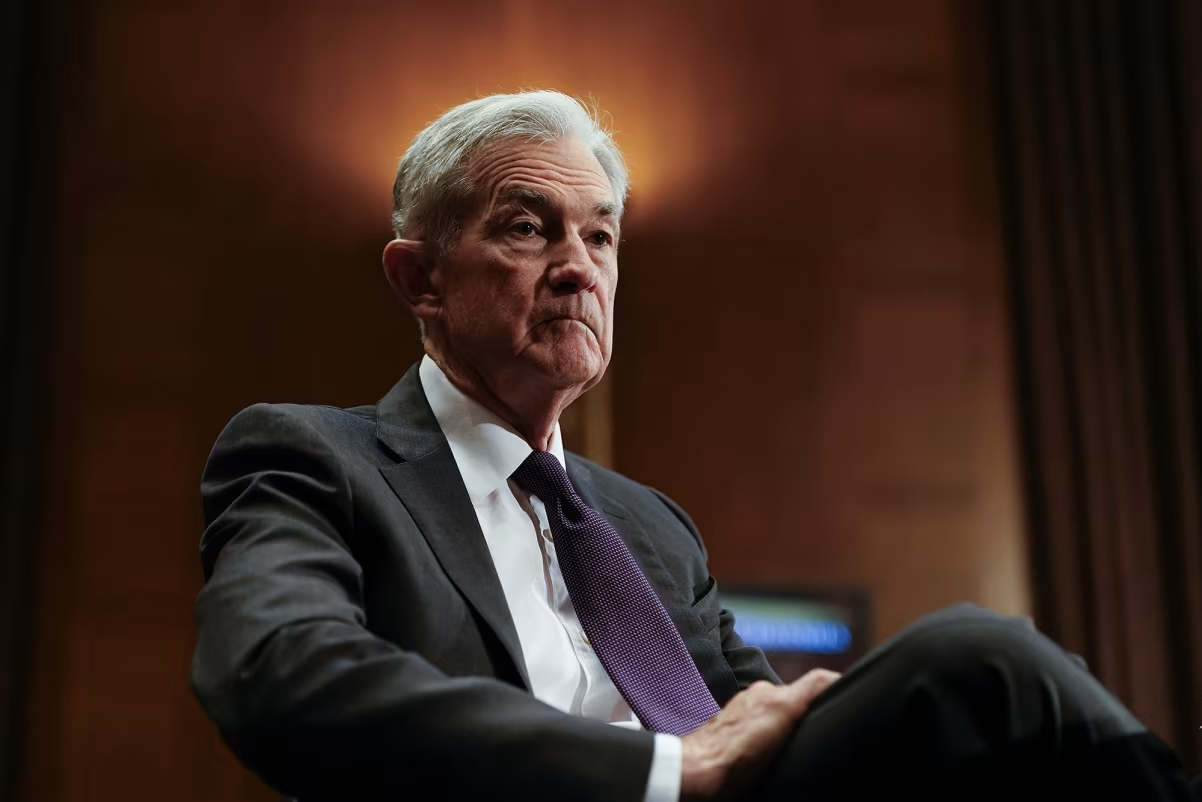
Jerome Powell has officially finished his eight-year tenure as chair of the Federal Reserve, ending one of the most politically intense and economically turbulent periods in modern Fed history. Powell stepped down on May 15, 2026, after guiding the central bank through the pandemic crash, historic inflation, rapid rate hikes, and repeated clashes with President Donald Trump.
Powell Leaves After Eight Years Leading the Fed
Powell first became Federal Reserve chair in 2018 after being nominated by Trump and later reappointed by President Joe Biden. During his time leading the central bank, he faced extraordinary economic crises that reshaped the American economy.
One of the biggest moments came during the COVID-19 pandemic, when the Fed rapidly cut interest rates and launched massive emergency programs to stabilize markets and prevent a deeper economic collapse. Roughly 20 million Americans lost jobs during the early pandemic shock, forcing the Fed into historic intervention.
Later, Powell faced another challenge when inflation surged to the highest levels seen in decades.
Inflation Battle Defined His Final Years
Powell’s reputation became closely tied to the Fed’s battle against inflation. Critics accused the central bank of reacting too slowly after officials initially described rising prices as “transitory.”
Once inflation continued climbing, Powell led the fastest interest-rate hiking campaign in roughly 40 years. The aggressive policy tightening sharply raised borrowing costs for mortgages, credit cards, cars, and businesses.
Supporters argue the strategy helped prevent an even worse inflation crisis and guided the economy toward a “soft landing” instead of a deep recession. Critics say the Fed waited too long before acting aggressively.
Trump and Powell Frequently Clashed
Powell’s relationship with Trump became one of the defining political stories of his tenure.
Trump repeatedly attacked Powell publicly over interest rates, often demanding faster cuts to boost economic growth. Powell defended the Fed’s independence and insisted monetary policy should be based on economic analysis rather than political pressure.
At one point, Trump reportedly explored whether he could remove Powell from the position, though legal experts argued the president lacked authority to fire a Fed chair without cause.
The conflict intensified in early 2026 when federal prosecutors opened an investigation tied to renovation costs at Federal Reserve buildings. Critics viewed the probe as politically motivated pressure against Powell. The Justice Department later dropped the investigation.
Powell Says Fed Independence Matters
Throughout his final months, Powell repeatedly emphasized the importance of central-bank independence.
In farewell remarks, Powell said the Fed’s job is to make decisions based on analysis and economic conditions rather than trying to help or hurt politicians. He warned future Fed leaders to “stay out of elected politics.”
Economists and former central-bank officials have argued that political pressure on the Fed could damage market confidence and long-term economic stability.
Kevin Warsh Expected to Shape Next Era
Former Federal Reserve governor Kevin Warsh is expected to succeed Powell after being nominated by Trump earlier this year. The Senate confirmed Warsh this week following intense debate over inflation, rates, and Fed independence.
Warsh is viewed by some investors as more aligned with Trump’s economic views, although supporters say he also has strong credibility on Wall Street and previous Fed experience.
Markets are now watching closely to see whether the Fed’s policy direction changes under new leadership.
Powell Will Remain on Fed Board for Now
Although Powell stepped down as chair, he has indicated he may remain on the Federal Reserve Board of Governors for now. His separate board term continues until January 2028.
Powell said he does not intend to interfere with the next chair’s leadership and is not trying to become a public rival inside the Fed system.
Still, some analysts believe his continued presence could create unusual tension if disagreements emerge over future rate decisions.
Key Takeaways
- Jerome Powell officially stepped down as Fed chair on May 15, 2026.
- His tenure included the pandemic crash, inflation surge, and rapid rate hikes.
- Powell repeatedly defended Federal Reserve independence against political pressure.
- Trump frequently criticized Powell over interest-rate policy.
- Kevin Warsh is expected to lead the Fed next.
Powell leaves behind a complicated legacy — one shaped by crisis management, political battles, and one of the toughest inflation fights in modern American history.