
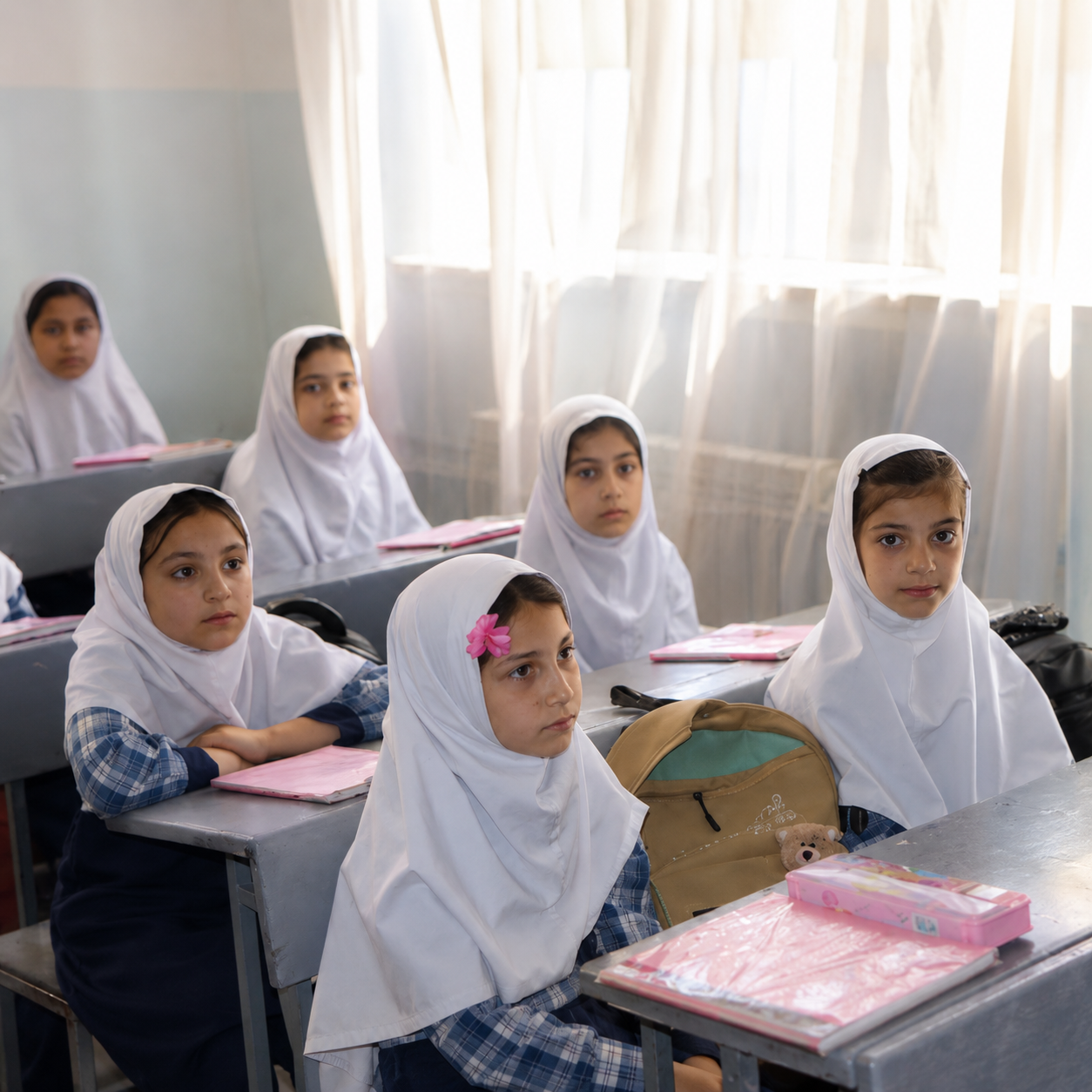
New Taliban family regulations in Afghanistan have triggered international concern after reports said the rules formally recognize some marriages involving minors. The regulation, approved by Taliban leader Hibatullah Akhundzada, reportedly gives religious courts broad power over family disputes and allows children to seek annulment only after reaching puberty and only through a court process.
New Taliban Regulation Recognizes Minor Marriages
The new rules were published under a family-law regulation dealing with separation between spouses. According to Amu TV, the regulation recognizes marriages involving minors as legally valid in certain circumstances.
The rules also place major authority in the hands of religious courts, which can decide whether a marriage should continue or be dissolved. Critics say this gives girls very limited control over their futures, especially when family pressure and social restrictions are already strong.
The regulation has drawn alarm because Afghanistan is already facing major concerns around girls’ education, women’s work, and personal freedoms under Taliban rule.
Why Are Human Rights Groups Alarmed?
Human rights advocates are alarmed because child marriage can remove girls from school, limit their independence, and expose them to serious long-term harm. UNICEF defines child marriage as a formal marriage or informal union before age 18.
Girls Not Brides notes that child marriage in Afghanistan has long been linked to poverty, conflict, displacement, social pressure, and weak legal protection. Since the Taliban returned to power in 2021, campaigners say the risks have grown as girls have been blocked from secondary education and many women have lost access to work.
When families face economic hardship, some may see early marriage as a survival decision. Rights groups warn that this places the burden of crisis on children.
What Do the New Rules Say About Annulment?
Reports say the new Taliban rules allow a child married without certain guardian approval to seek annulment after puberty. However, that request must go through a court, meaning the child cannot simply reject the arrangement independently.
Critics argue this process still leaves young girls dependent on male relatives, religious judges, and social pressure. In rural areas, access to courts can also be difficult, especially for women and girls who face restrictions on travel and public life.
The rules have also raised concern because silence after puberty may reportedly be treated as acceptance in some cases. Rights advocates say true consent must be clear, free, and informed, not assumed through silence.
Afghanistan’s Girls Already Face Severe Restrictions
The new regulation arrives while Afghan girls continue facing some of the world’s harshest limits on education. Since the Taliban takeover, girls have been banned from attending school beyond sixth grade in most of the country, while women have faced increasing limits on university study, employment, movement, and public participation.
These restrictions have made early marriage fears even stronger. When girls cannot continue school or build career paths, families may feel there are fewer alternatives available.
Rights groups say education is one of the strongest protections against child marriage. Without it, many girls lose both opportunity and bargaining power inside their families and communities.
International Pressure May Grow
The regulation is likely to increase pressure on international organizations, foreign governments, and human rights groups to respond. Afghanistan’s Taliban government remains largely isolated diplomatically, and its policies toward women and girls have been one of the biggest barriers to wider recognition.
Campaigners are expected to call for stronger protection programs, support for Afghan women’s groups, and more pressure on Taliban officials. However, outside influence remains limited because the Taliban controls the country’s courts, education system, and official institutions.
For many Afghan families, the issue is not only legal. It is also economic, social, and deeply tied to the country’s ongoing humanitarian crisis.
Key Takeaways
- The Taliban has issued new family regulations recognizing some marriages involving minors.
- Religious courts are given broad authority over annulment and family disputes.
- Children may seek annulment after puberty, but only through a court process.
- Rights groups warn the rules could increase pressure on vulnerable girls.
- The regulation comes as Afghan girls remain blocked from secondary education.
The new rules have deepened fears that Afghan girls are losing even more protection at a time when education and basic freedoms are already under severe restriction.