
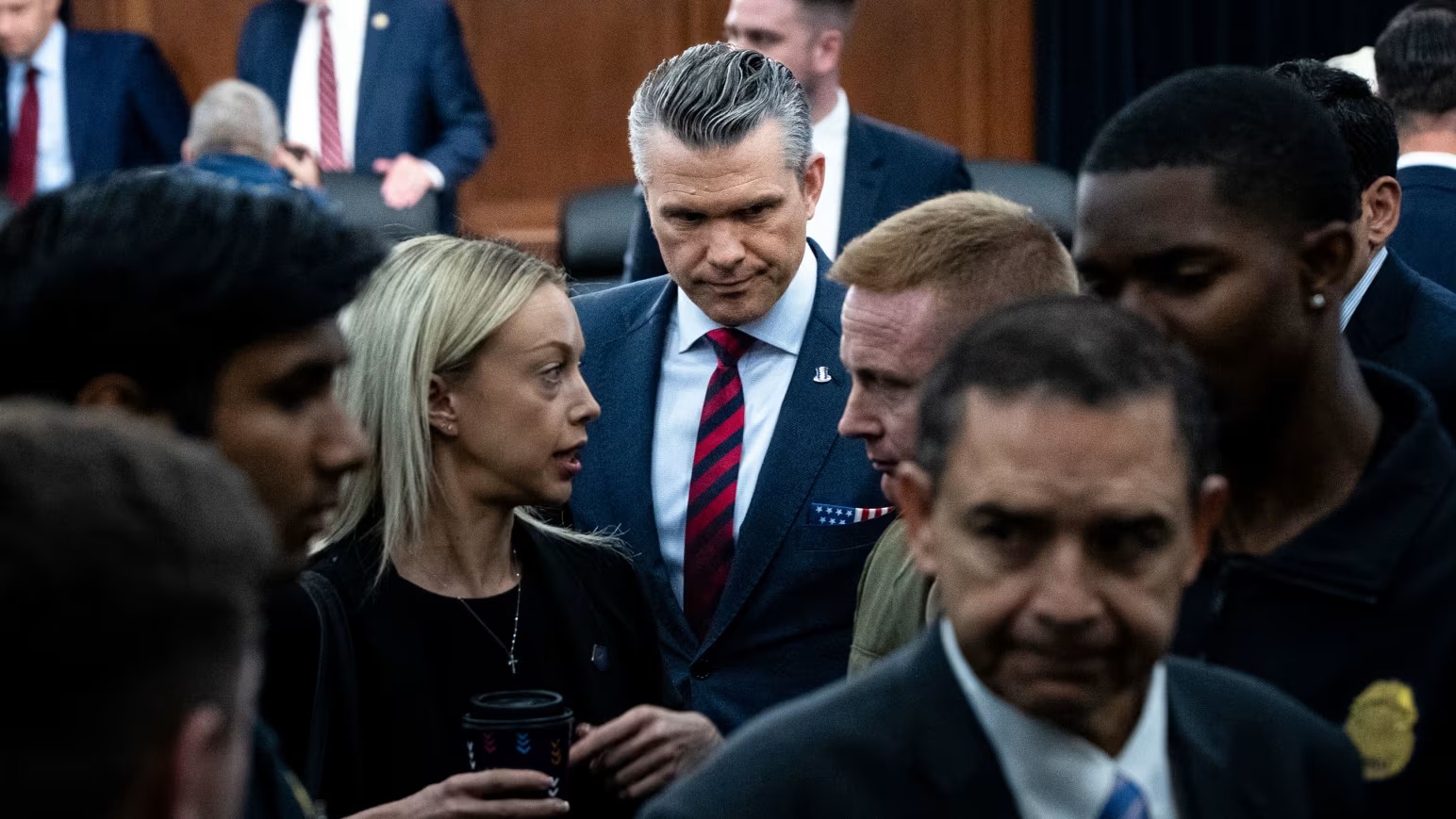
The Department of Defense has experienced significant leadership changes and internal restructuring under Defense Secretary Pete Hegseth, creating an environment that some current and former officials describe as increasingly cautious, tightly controlled, and focused on loyalty.
Multiple reports from individuals familiar with Pentagon operations suggest that decision-making processes, personnel changes, and information management have become central themes during Hegseth’s tenure.
Leadership Changes Draw Attention
Since taking office, Hegseth has overseen a series of personnel changes involving senior military and civilian leaders.
Several high-ranking officials have departed their positions, while leadership roles across different branches of the military have undergone notable transitions.
Supporters argue that these changes are necessary to align the Defense Department with the administration’s priorities and strategic goals.
Critics, however, believe the pace and scale of the changes have created uncertainty throughout the organization.
Army Leadership Transition Sparks Discussion
One of the most widely discussed developments involved the departure of Army Chief of Staff Gen. Randy George.
According to individuals familiar with the matter, George had sought a direct meeting with Hegseth to discuss modernization efforts, military technology initiatives, and broader Army priorities.
However, before such discussions could take place, leadership changes resulted in George leaving his position.
Months of Reported Friction
Sources familiar with internal discussions suggested that tensions had developed over several months between Pentagon leadership and certain senior military officials.
Observers noted that disagreements appeared to center on leadership direction, organizational culture, and the pace of institutional change.
The situation became one of the most visible examples of broader personnel shifts taking place across the department.
Increased Focus on Information Control
Another major theme reported by officials involves tighter control over information within the Pentagon.
Several current and former officials have described a system where access to sensitive information has become more restricted than in previous years.
Security Measures Expanded
Reported measures include:
- Expanded confidentiality requirements.
- Greater limits on information sharing.
- Increased internal security procedures.
- More centralized decision-making.
- Additional vetting processes for sensitive operations.
Supporters argue these measures are intended to protect national security and prevent unauthorized disclosures.
Others worry that excessive restrictions could slow communication and reduce organizational efficiency.
Culture of Caution Reportedly Growing
Some officials describe a workplace environment where leaders are increasingly careful about decision-making and public visibility.
According to individuals familiar with department operations, many managers and senior staff members are focused on avoiding unnecessary controversy while carrying out their responsibilities.
Impact on Decision-Making
Several observers suggest that this atmosphere may influence how decisions are made, particularly regarding:
- Personnel management.
- Policy implementation.
- Strategic planning.
- Public communication.
- Internal recommendations.
Supporters of the current leadership argue that accountability and discipline are necessary elements of effective organizational management.
Administration Defends Changes
Pentagon leadership has strongly rejected criticism regarding internal operations.
Officials maintain that leadership transitions are common within large organizations and emphasize that changes are intended to strengthen the department’s effectiveness.
Focus on Strategic Priorities
According to department leadership, personnel decisions are designed to ensure alignment with key objectives, including:
- Military readiness.
- National defense priorities.
- Operational effectiveness.
- Strategic modernization.
- Support for service members.
Officials have also criticized anonymous claims made by former employees and outside observers, arguing that such accounts do not accurately represent current operations.
Lawmakers Monitor Developments
Recent leadership changes have attracted attention from members of Congress, including lawmakers from both major political parties.
Several legislators have publicly commented on the departures of senior military officials and have requested greater transparency regarding certain personnel decisions.
Questions About Long-Term Impact
Congressional observers continue evaluating how leadership transitions may affect:
- Military readiness.
- Recruitment and retention.
- Strategic planning.
- Defense modernization programs.
- Relationships between civilian and military leadership.
The issue remains a topic of ongoing discussion within defense policy circles.
Balancing Reform and Stability
Large organizations often face challenges when implementing significant leadership and cultural changes.
Supporters of the Pentagon’s current direction argue that reform is necessary to address longstanding institutional issues and improve performance.
Others caution that maintaining stability and preserving institutional knowledge are equally important goals.
Competing Perspectives
The debate reflects broader questions about how large government institutions should evolve while continuing to fulfill critical national security responsibilities.
Finding the right balance between reform, accountability, and organizational stability remains a challenge for defense leaders.
Looking Ahead
As the Pentagon continues implementing its priorities, leadership changes and internal management practices are likely to remain closely watched.
Future personnel decisions, modernization efforts, and strategic initiatives will help determine how the department adapts to evolving security challenges.
Observers expect continued discussion about transparency, accountability, and the role of leadership in shaping one of the world’s largest and most complex organizations.
Key Takeaways
- The Pentagon has experienced significant leadership changes under Defense Secretary Pete Hegseth.
- Several senior military and civilian officials have departed during the restructuring process.
- Reports suggest increased emphasis on information control and internal security measures.
- Supporters say reforms are necessary to align the department with strategic priorities.
- Critics argue that secrecy and personnel changes may affect organizational morale and decision-making.
- Lawmakers continue monitoring developments and their impact on military leadership.
As reforms continue, the long-term effects of these leadership decisions will likely shape the future direction of the Department of Defense and its approach to national security challenges.