
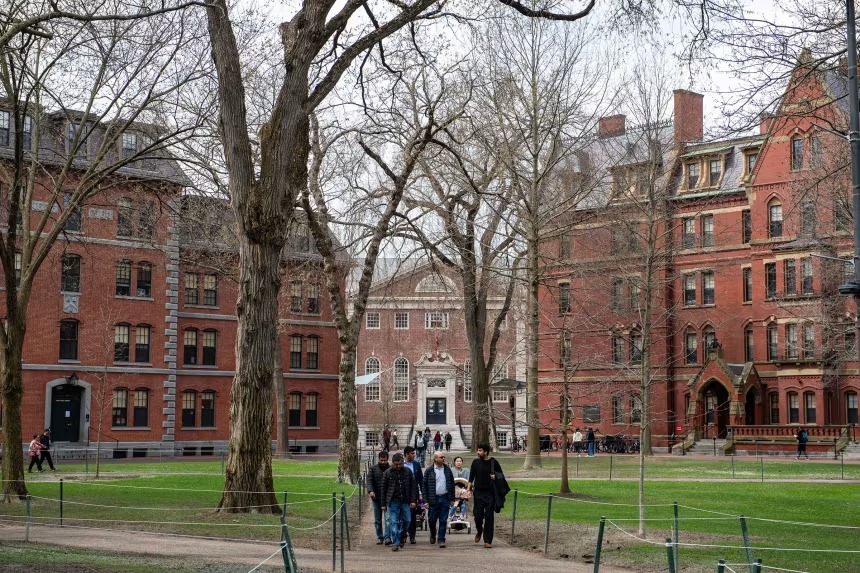
The Faculty of Arts and Sciences at Harvard University has voted to limit the number of “A” grades that can be awarded to undergraduate students, marking one of the most significant grading policy changes at the university in decades. The new policy — approved by about 70 % of voting faculty — aims to counter longstanding concerns that grade inflation has made top marks too common and diminished their meaning.
What the Vote Means
Under the new policy, which will take effect in the fall 2027‑28 academic year, instructors in letter‑graded courses at Harvard College will be limited to awarding “A” grades to no more than 20 % of a class’s undergraduate enrollment, plus up to four additional students at the instructor’s discretion. There will be no cap on A‑minus grades, and courses that use other grading systems such as pass‑fail are not affected by the cap.
The policy was approved in an email ballot that closed last week, with 458 faculty members voting in favor and 201 opposing the measure. Faculty also endorsed a related change to use average percentile rank rather than GPA when determining internal awards, honors, and prizes. A third proposal that would have allowed certain courses to petition for alternative grading methods was rejected.
Why the Change Was Proposed
Harvard’s decision follows years of debate among faculty over grade inflation — a trend in which higher grades have become increasingly common. According to internal data cited by faculty members, more than 60 % of undergraduate grades received in the 2024‑25 academic year were in the “A” range, a sharp rise from roughly 24 % twenty years earlier. Supporters of the reform say the upward trend has blurred the distinction between ordinary and exceptional academic performance.
Faculty who backed the policy argue that restoring a more selective approach to top grades will encourage deeper learning, give students clearer signals about achievement, and regain confidence in the value of Harvard’s grading system. They also say that the changes may help reduce pressure on students to chase perfect grades at the expense of intellectual exploration.
“A Harvard A grade will now tell them, as well as employers and graduate schools, something real about what a student has achieved,” members of the grading subcommittee said in a statement.
Reaction From Campus
The vote drew strong reactions from different corners of the university community.
Many instructors and administrators expressed support, seeing the policy as a positive step toward strengthening academic standards. Amanda Claybaugh, Harvard’s Dean of Undergraduate Education, described the vote as a “consequential” decision that can help reinvigorate the meaning of grades and support deeper academic engagement.
However, many students have opposed the cap. A survey conducted earlier in the year by the Harvard Undergraduate Association found that roughly 85 % of students surveyed disapproved of the proposed limit, citing concerns that it could intensify competition, limit flexibility in course selection, and complicate applications to postgraduate programs. Students also expressed frustration that they were not included in the decision‑making process.
Some commentators and students argue that limiting top grades doesn’t necessarily reflect students’ mastery of course material and could inadvertently fuel competitive pressures or stress. Others suggest that alternative methods of academic evaluation — focusing on learning outcomes rather than grade quotas — might be more effective.
Broader Academic Context
Harvard’s decision comes amid a wider national conversation among U.S. colleges and universities about grade inflation and academic standards. Some institutions have considered or implemented their own measures to address the issue, while others have resisted formal caps, citing concerns among students and faculty about fairness and academic freedom.
Proponents of the cap argue that when too many students receive top grades, it becomes harder to distinguish levels of achievement and maintain incentives for academic risk‑taking. Critics caution that caps should be balanced with transparent evaluation practices so that students’ work is rewarded accurately and fairly.
Key Takeaways
- Harvard University faculty approved a policy to cap the number of “A” grades awarded to undergraduates, aiming to address rising grade inflation.
- Starting fall 2027, instructors will limit “A” grades to 20 % of class enrollment plus up to four students, with no limits on A‑minuses.
- The measure passed with 458 votes in favor and 201 against, and faculty also approved using average percentile ranking for internal honors.
- Supporters say the policy will help restore the meaning of top grades and strengthen academic standards.
- Many students opposed the reform, voicing concerns about competitiveness, academic pressure, and impacts on future opportunities.