
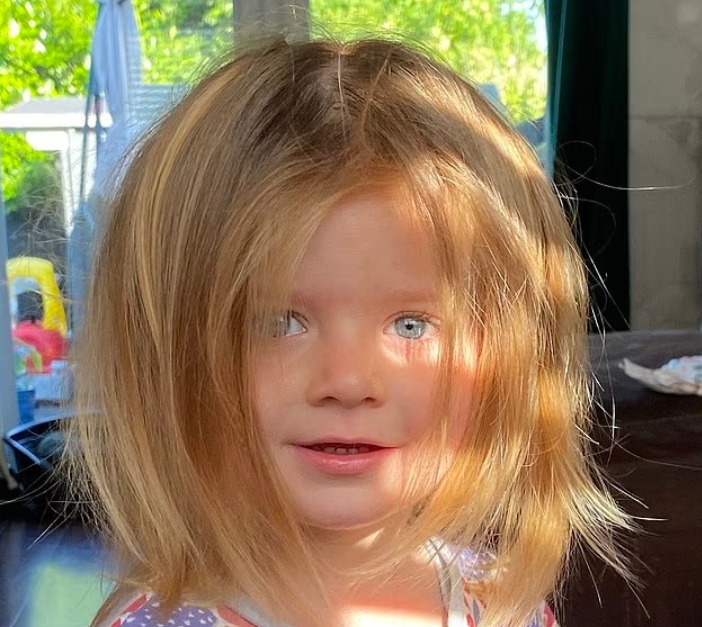
A British baby becoming critically unwell after an E. coli-related illness connected to a luxury Egypt holiday has raised fresh concerns about tourist health and hygiene standards at overseas resorts. The incident involved one-year-old Ariella Mann, who reportedly became seriously sick after staying at the five-star Jaz Makadi Aquaviva hotel in Hurghada with her family during a Christmas vacation.
Two other British children are also said to have experienced major health complications after separate stays at the same hotel. The reports have now led to investigations, legal reviews, and growing attention around food safety at international holiday destinations.
How the Child Became Unwell During the Egypt Holiday
The family traveled to Egypt in late December for a two-week all-inclusive vacation reportedly worth around £6,000. During the second week of the trip, Ariella began experiencing symptoms including fever, stomach illness, dehydration, and severe digestive problems.
According to reports, she initially received medical attention at the hotel clinic before her family returned to the UK on January 5. Her condition reportedly worsened after arriving home, leading to emergency hospital treatment.
Doctors later confirmed she had developed Haemolytic Uraemic Syndrome (HUS), a rare condition commonly associated with certain strains of E. coli bacteria. The illness can seriously affect kidney function and overall health, especially in young children.
The child was eventually transferred to a specialist children’s hospital where she received intensive medical care. The heartbreaking situation has left the family searching for answers about how the illness may have developed.
What Is Haemolytic Uraemic Syndrome?
Haemolytic Uraemic Syndrome is a rare but serious health condition that can occur after exposure to harmful strains of E. coli bacteria. The illness is often linked to contaminated food, unsafe water, or hygiene-related issues.
Why the Condition Can Become Severe
The syndrome can affect the blood and kidneys, sometimes leading to major complications that require hospital treatment and specialist care. Young children are considered especially vulnerable because their immune systems are still developing.
Symptoms may begin with stomach pain, diarrhea, vomiting, fever, and weakness before becoming more serious over time.
How E. Coli Illnesses Usually Spread
Health experts often associate E. coli infections with contaminated food preparation areas, improperly handled meals, or unsafe water sources. Investigations connected to the resort are still ongoing, and officials have not publicly confirmed an exact source linked to the reported illnesses.
Other British Children Reportedly Experienced Similar Illnesses
The situation gained wider attention after two additional British children reportedly developed severe health problems following stays at the same hotel between 2024 and 2026.
One child, six-year-old Arthur Broughton, reportedly became extremely unwell during a family holiday in Hurghada. Reports state he later required intensive hospital care in the UK after doctors confirmed an E. coli-related illness connected to HUS.
His family says he continues to face ongoing health challenges connected to the condition.
Another child, two-year-old Chloe Crook, reportedly experienced seizures, temporary speech difficulties, and kidney complications after becoming ill during a separate holiday at the same resort.
She later received emergency treatment at a specialist hospital in London where doctors provided intensive care and monitoring.
The families involved are now reportedly working with legal specialists seeking further investigation into whether the cases may share a common connection.
What TUI and the Resort Have Said
Travel company TUI confirmed that an independent review was carried out following reports of illness connected to the hotel. According to public statements, hygiene inspections and food safety testing reportedly did not identify confirmed E. coli contamination at the resort.
The company also stated that reported illness numbers connected to the hotel remain relatively low compared to overall visitor numbers and that the resort continues operating with required approvals.
TUI encouraged guests to report illnesses during holidays so support teams can respond quickly and appropriate investigations can begin.
Legal representatives connected to the affected families argue that multiple serious illnesses linked to the same location deserve closer examination and greater transparency.
Why Resort Food Safety Concerns Continue to Matter
The latest reports have renewed discussions around tourist health risks at large all-inclusive resorts where thousands of meals are served daily to international visitors.
Previous Health Concerns in Hurghada
British authorities have previously issued travel health guidance related to stomach illness concerns in parts of Hurghada. Past reports also noted that UK health agencies monitored earlier E. coli-related concerns connected to the region.
Although Egypt remains a highly popular holiday destination for British travelers, reports involving gastrointestinal illness outbreaks continue to attract public attention.
Calls for Better Transparency and Monitoring
The reports involving multiple children have increased calls for stronger health monitoring systems, clearer communication with tourists, and faster investigations whenever serious illnesses are reported at holiday resorts.
Families connected to the cases say they hope improved safety procedures can help prevent similar situations in the future.
Key Takeaways
- A British child reportedly became critically ill after an E. coli-related infection following an Egypt resort stay.
- Two additional British children reportedly experienced severe health complications linked to the same hotel.
- The cases involved Haemolytic Uraemic Syndrome, a rare condition associated with E. coli bacteria.
- TUI says independent inspections did not confirm E. coli contamination at the resort.
- Investigations and legal reviews connected to the reported illnesses are continuing.
As investigations continue, many travelers are now paying closer attention to food safety standards and hygiene measures at international holiday resorts.